
Reviewed · BAKU OLD CITY TOURS
Baku Oil Heritage & Old Town Walking Tour
Baku’s story is written in stone and oil. This 2.5-hour walk links the winding lanes of Icherisheher with the grand buildings created by oil wealth, then adds useful context about daily life, modernization, and Soviet influence. I like the way it connects famous sights to the people who shaped them, especially the oil barons who used architecture to display money, ambition, and family pride.
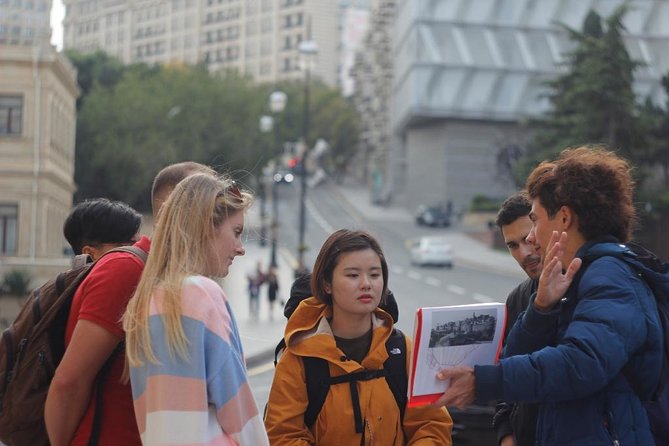
I also like the use of historic photographs and prepared diagrams, which help you picture Baku before its present-day makeover. Guides Gani and Lina receive especially warm praise for clear storytelling, humor, patience, and practical advice about food, Azerbaijani phrases, and what to see next. The main drawback is that the tour explains the Maiden Tower and Shirvanshahs’ Palace from outside, so you will need separate tickets and time if you want to visit their interiors.
In This Review
- Key points before you book
- Why Baku’s oil story works best on foot
- Fountain Square sets the scene
- Entering Icherisheher through the Gosha Gala Gate
- The Shirvanshah Palace and miniature books
- Istiglaliyyat Street reveals the oil barons’ ambitions
- Philharmonic Fountain and the Ali and Nino connection
- Baku City Hall and European architectural influence
- Saadet Sarayi tells a personal oil-boom story
- The former Taghiyev School for Girls
- Ismailiyya Palace and the cost of remembrance
- What $70 includes, and what it does not
- Who will enjoy this walk most
- Weather, timing, and cancellation terms
- Should you book the Baku Oil Heritage and Old Town walk?
- FAQ
- How long does the Baku Oil Heritage and Old Town Walking Tour last?
- Where does the tour begin?
- Where does the tour end?
- Are admission tickets included?
- Is transportation included?
- What is included in the price?
- Can I cancel for a full refund?
Key points before you book
- A private walking format: You receive the guide’s attention rather than waiting for a large public group, although the listed maximum is 30 people.
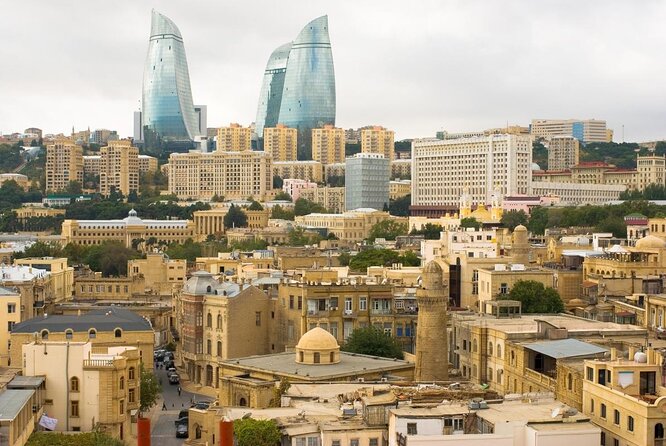
- Two sides of Baku: The route moves from medieval Icherisheher to Imperial Russian streets and oil-boom architecture.
- No interior admission: The Maiden Tower and Shirvanshahs’ Palace are explained from outside, with no entry included.
- Strong guide-led storytelling: Gani is repeatedly praised for humor, eloquence, historical detail, and keeping the pace lively.
- A useful first-day activity: The walk ends where it begins at Fountain Square, making it easy to continue sightseeing or find a meal.
- Good practical value: At $70 per person, bottled water and a private guide are included, but lunch, transport, and admission fees are extra.
Why Baku’s oil story works best on foot
Baku can seem like several cities placed side by side. Behind the medieval walls, you find narrow passages and old religious buildings. Outside them, grand façades reflect the ambitions of wealthy oil families and the tastes of architects from across Europe. Farther out, modern Baku adds another layer.
This tour gives you a framework for reading those changes. Instead of treating each building as a separate photo stop, the guide explains how oil changed the city’s streets, social life, economy, and public image. That connection is the real value here.
The walk also deals with everyday life, not just wealthy families and impressive façades. The supplied description promises discussion of social and cultural change, as well as Soviet influence. That wider view matters because Baku’s past is not only about oil production. It is also about education, religion, women’s changing roles, ethnic and cultural variety, and the push toward independence.
You should expect a steady city walk rather than a museum visit. Most stops last about 10 minutes, with roughly an hour in the Old City and additional time along Istiglaliyyat Street. Wear comfortable shoes, since the route includes narrow historic lanes and ordinary city pavements.
More walks through the Old City:
- Guba Khinalug & Candy Cane Mountains tour (by Old City Tours)
★ 4.5 · 208 reviews - Gabala + Shamakhi tour (by Old City Tours)
★ 4.5 · 198 reviews - Baku Walking Tour (Old City)
★ 5.0 · 127 reviews
Fountain Square sets the scene
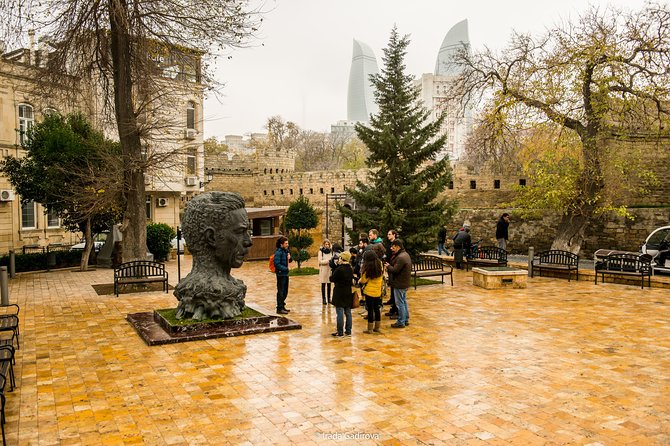
The tour begins at Fountain Square on Nizami Street, a central place for leisure and entertainment today. The guide first turns the clock back to the late 19th and early 20th centuries, when this area was part of the main trading street in a rapidly growing oil town.
That opening is useful because it immediately shows how Baku’s public spaces changed with its fortunes. What now feels like a downtown meeting place once served a city transformed by the first oil boom. The tour also ends here, so you can return to the same central point without arranging a separate ride.
The stop is free and lasts about 10 minutes. Since Fountain Square is both the meeting and ending point, I would treat it as a convenient base for planning the rest of your day. You can continue on foot, stop for food, or use nearby public transportation after the guide finishes.
Entering Icherisheher through the Gosha Gala Gate
The next major section enters Baku’s Old City, known locally as Icherisheher. The Gosha Gala Gate provides the formal entrance, and the citadel walls begin to explain why this part of Baku feels so different from the streets outside.
The walls date to the 12th century and are part of the UNESCO-listed historic area. Inside, the pace slows. Narrow lanes turn the walk into a close look at the city’s older scale, where large modern roads give way to compact passages, stone façades, and tightly arranged buildings.
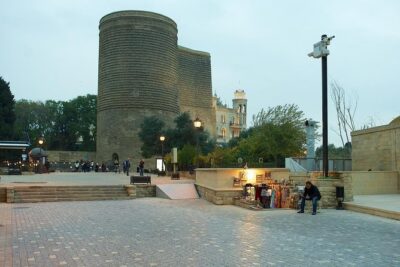
The guide covers the Muhammad Mosque, dated to the 11th century, and explains its place within the Old City. You also stop at the Maiden Tower, generally dated to the 12th century. There is no entry during this tour, but the guide gives an explanation at the entrance and uses historic images to show how the site looked in earlier periods.
That outside-only approach has both a benefit and a limit. You save time and see more of the district, but you do not get the exhibits, stairways, or interior viewpoints that come with a separate visit. If the Maiden Tower is high on your list, plan another visit and budget for the admission fee.
The Shirvanshah Palace and miniature books
The walk continues to the Shirvanshahs’ Palace, a 15th-century complex and one of the Old City’s key monuments. Again, the tour explains the site from outside rather than taking you through the rooms and courtyards.
This is a good stop for understanding the political importance of medieval Baku. The guide’s use of historic photographs is particularly helpful here because a bare exterior does not always reveal how a monument developed or how people once used it.
The route also includes the Museum of Miniature Books. The supplied details do not say that admission is included, and the itinerary describes the Old City sights as explanation stops without interior entry. I would confirm the day’s exact plan if the museum matters to you, rather than assuming you will have time to go inside.
The Old City portion lasts about one hour. That is long enough to get your bearings and hear the major stories, but not long enough for a leisurely museum visit. If you like stopping for extended photographs or reading every display, you may prefer to return later.
More history and heritage:
- Baku: Stunning Walking Tour of Historical and Modern City
★ 4.9 · 270 reviews - Best of Baku: 4-Hour City Tour Historic and Modern Landmarks
★ 4.7 · 63 reviews - Baku: Historic and Modern Baku Tour ( Day & NIght Tour)
★ 4.5 · 60 reviews - Baku City Tour with Heritage Tours / All Entrance Fees Inc
★ 4.5 · 52 reviews
Istiglaliyyat Street reveals the oil barons’ ambitions
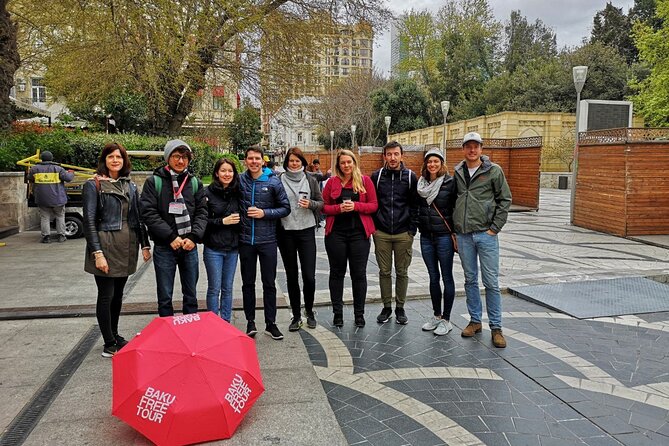
After the Old City, the route moves along Istiglaliyyat Street, formerly known as Nikolayevskaya and Kommunisticheskaya. This was one of the important streets of Imperial Russian Baku, and it shows how the city expanded beyond the fortress walls.
Here the tour shifts from medieval defense to urban display. Oil wealth paid for public buildings, grand residences, schools, gardens, and cultural institutions. The guide links those buildings to the oil barons’ desire for status, public respect, and lasting recognition.
You pass or discuss the Governor’s Garden, Baku City Hall, the Philharmonic Hall, the Palace of Happiness, the Institute of Manuscripts, Ismailiyya Palace, the Literature Museum, and the statue of Nizami. This is a lot to absorb in a short period, so the guide’s organization matters.
Gani’s ability to hold attention is one of the strongest reasons to consider this walk. His style is described as funny, articulate, and well structured, with answers to questions rather than a fixed speech delivered at full speed. Lina is also praised for giving a warm introduction to the Old City and for useful food and vegetarian dining suggestions.
Philharmonic Fountain and the Ali and Nino connection
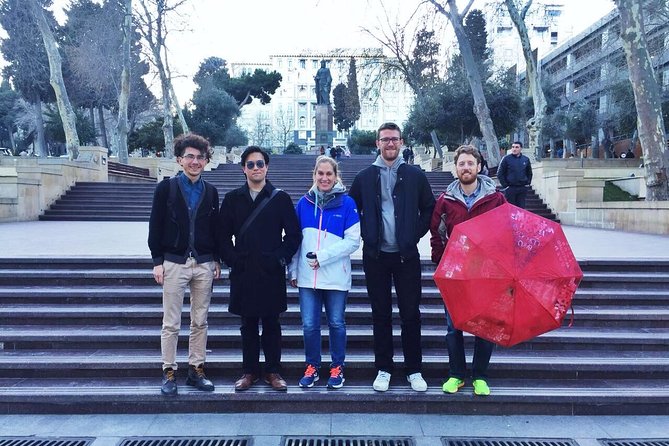
The Philharmonic Fountain marks one of the landscaped areas created as Baku expanded outside its fortress. The stop lasts around 10 minutes, and the guide connects the garden’s story to Ali and Nino.
That literary connection gives the place a cultural layer beyond its architecture. The book is closely associated with Baku’s mixed social world and the tensions of identity, love, and politics in the Caucasus. The description does not promise a literary tour, so expect a brief connection rather than a full discussion of the novel.
This stop also provides a change of pace. After the tight lanes of Icherisheher, a garden and fountain help you see the city’s deliberate move toward formal public spaces. You can take photographs here, but the main purpose is to understand why the area was created and what it says about Baku’s expansion.
Baku City Hall and European architectural influence
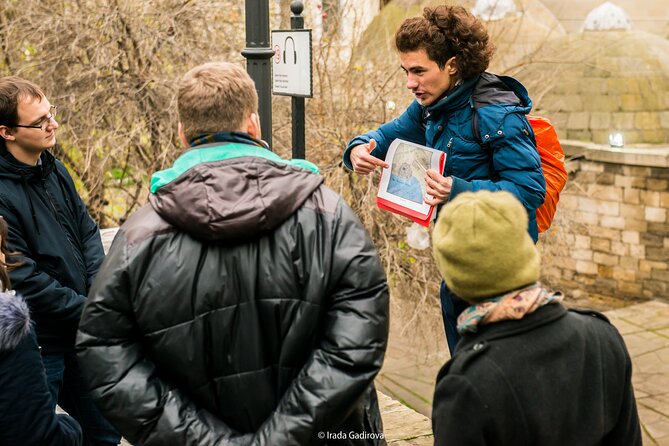
Baku City Hall, also called the Baku Town Hall, is one of the clearest oil-boom landmarks on the route. The building helps explain how European architectural ideas reached Baku and how the city’s diverse population influenced its appearance.
The stop is scheduled for about 10 minutes. That sounds brief, but a guide can make those minutes count by pointing out the building’s style and placing it within the wider oil-boom period. You will not be touring the interior, so expect an exterior explanation and time for photographs.
I find this kind of stop valuable because it corrects the lazy idea that Baku’s historic architecture is simply Persian, Russian, or European. The city developed through contact among many groups, and the buildings reflect that mixture. You see wealth, but you also see a city trying to present itself as modern and internationally important.
Saadet Sarayi tells a personal oil-boom story
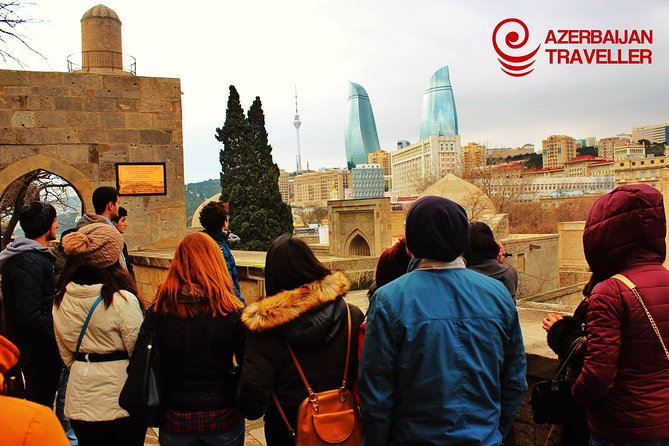
Saadet Sarayi, also called the Palace of Happiness, brings the oil era down to a more personal scale. The story centers on an oil baron and his wife, and the building is now used as a marriage registry.
That present use gives the stop an appealing link between past and current life. A mansion built around one family’s story now serves couples beginning their own marriages. The guide explains how the building’s meaning has changed without losing its connection to Baku’s wealthy oil families.
This is the kind of detail that makes the route more than a procession of façades. You hear about personal ambition, family relationships, and public memory, not only dates and architectural labels.
The former Taghiyev School for Girls
The former Taghiyev School for Girls, now the Institute of Manuscripts of Azerbaijan, introduces education and social change. The tour presents it as the first secular school for Muslim women and connects its story to modernization and Azerbaijan’s first independence.
This may be one of the most important stops for understanding the city beyond oil money. Wealth created buildings, but schools changed what people could do with new opportunities. The story also raises questions about women’s education, religious tradition, and the transition toward a more modern public life.
The stop lasts about 10 minutes. You should expect an exterior presentation rather than a full institutional visit. Still, the subject gives the walk needed balance. Without it, the tour could become too focused on wealthy men and their palaces.
Ismailiyya Palace and the cost of remembrance
Ismailiyya Palace was commissioned by an oil baron in memory of his son. Its Venetian Gothic design makes it one of the route’s most eye-catching buildings, but the personal reason behind it adds weight to the architecture.
The guide uses the palace to show how private grief and public display could meet in oil-boom Baku. A family memorial became an important architectural landmark, and the building now forms part of the city’s wider cultural story.
You will hear about the design and the patron’s motivation from outside. As with the other exterior stops, there is no admission included. I would keep your camera ready, but listen for the human story rather than treating the palace as a quick backdrop.
The itinerary places Ismailiyya Palace after the return toward Fountain Square, while the wider Istiglaliyyat section covers it as part of the street’s major sights. The exact walking order may vary slightly, but the listed landmarks are clear.
What $70 includes, and what it does not
The price is $70 per person. That is not a bargain basement walking tour, but the value depends on how much you want from the guide. You are paying for a private format, a focused route, historic visual material, bottled water, and an explanation of Baku’s past that would be hard to assemble from plaques alone.
The tour does not include lunch, private transportation, or admission fees. That keeps the route simple, but you should budget separately if you want to enter the Maiden Tower, Shirvanshahs’ Palace, or another museum.
A private guide can be especially worthwhile if you are new to Baku or have only a short stay. The tour covers major sights quickly, and the guide can answer questions about food, language, culture, and what to do next. Group discounts are available, which may improve the price for a larger party.
The booking pattern suggests that people often reserve about 25 days ahead. That is not a guarantee of availability, but I would avoid leaving it until the final day if you have fixed dates.
Who will enjoy this walk most
I would choose this tour for a first visit to Baku, especially if you want historical context before exploring alone. It suits adults interested in architecture, oil history, cultural change, and city planning.
It can also work well for families. One account specifically describes children aged 10 and 12 enjoying the guide’s storytelling, and the route includes enough visual variety to keep a short attention span from suffering too badly.
You should think twice if your main goal is entering monuments. This is an exterior-focused walking tour. It is also less suitable if you dislike walking, though the supplied information says most people can participate and the meeting point is near public transportation.
The activity allows service animals. Confirmation arrives when you book, and the listed maximum is 30 people, so check the booking details carefully if you are expecting a very small party despite the private-tour description.
Weather, timing, and cancellation terms
The walk requires good weather. If poor weather cancels it, you will be offered another date or a full refund. The same choice applies if the minimum number of required participants is not reached.
You can cancel for a full refund up to 24 hours before the local start time. Cancellations or changes made within 24 hours are not refunded or accepted. That is worth noting if your Baku schedule depends on flights or other weather-sensitive plans.
Should you book the Baku Oil Heritage and Old Town walk?
Book it if you want Baku to make sense quickly. The best part is not simply seeing the Maiden Tower, city hall, or oil-palace façades. It is hearing how medieval walls, oil wealth, women’s education, European design, Soviet-era change, and present-day life fit into one city.
The guide quality is a major reason to choose it. Gani is praised for humor, clear English, historical detail, and a relaxed pace, while Lina receives strong praise for her Old City introduction and practical local suggestions. Still, guide assignments can vary, so treat those names as useful examples rather than a promise.
Skip it if you want a long museum visit or included transportation. For everyone else, $70 is a reasonable price for a private, tightly organized introduction, provided you understand that admission tickets and meals are your responsibility.
FAQ
How long does the Baku Oil Heritage and Old Town Walking Tour last?
The tour lasts approximately 2 hours and 30 minutes.
Where does the tour begin?
It begins at KFC9RCP+28F on Nizami Street in Baku, near Fountain Square.
Where does the tour end?
The tour ends back at the meeting point at Fountain Square.
Are admission tickets included?
No. Admission fees are not included. The tour explains the Maiden Tower and Shirvanshahs’ Palace from outside without entering them.
Is transportation included?
No. Private transportation is not included. The experience is a walking tour, and the meeting point is near public transportation.
What is included in the price?
Bottled water is included. Lunch, transportation, and admission fees are not included.
Can I cancel for a full refund?
Yes, if you cancel at least 24 hours before the local start time. Cancellations or changes made less than 24 hours before the start are not refunded.
More Walking Tours
- Baku Old Town Walking Tour with a Local
★ 5.0 · 64 reviews - Baku Downtown Original Walking Tour
★ 5.0 · 36 reviews - Baku Old City Wonders: A Walking Tour Through Time
★ 5.0 · 36 reviews - Baku: Old City Walking Tour
★ 3.9 · 21 reviews
Recently added around Baku
- Heartbeat of Baku: Old & Modern City Walk (Group or Private)★ 5.0 · 3 reviews
- Full Day Guided Tour of Shamakhi and Gabala★ 5.0 · 3 reviews
- Baku: Secret Tour with Surprise Activity★ 5.0 · 3 reviews
- From Baku: Shahdag Mountain Resort Day Trip★ 5.0 · 3 reviews
- Guba and Khinaligh Private Tour★ 5.0 · 3 reviews
- Guba and Shahdag Tour with Guide★ 5.0 · 3 reviews
- Lahij – village of masters★ 4.5 · 3 reviews
- Gobustan & Mud Volcano★ 4.5 · 3 reviews
Baku Old City Tours, compared.
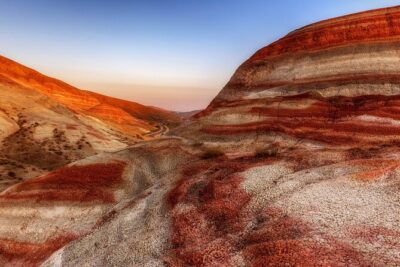
Guba Khinalug & Candy Cane Mountains tour (by Old City Tours)
Read our review →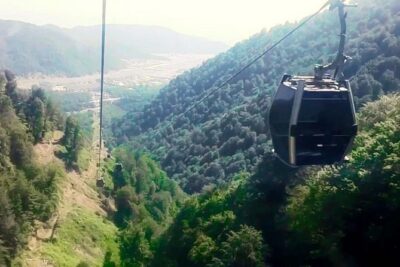
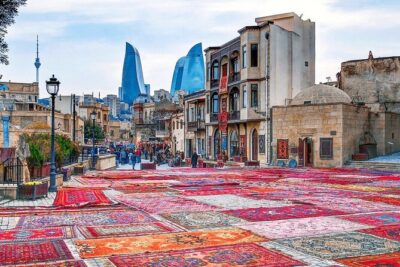
Baku Old City Tour (officially by Old City Tours)
Read our review →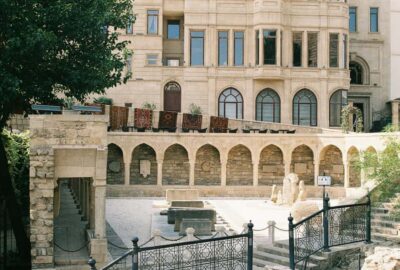
Baku Old City Wonders: A Walking Tour Through Time
Read our review →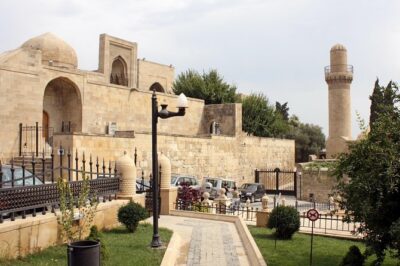
Browse the lists this tour appears in