
Reviewed · 4-DAY EXPERIENCES
4 days like a local in Azerbaijan
Azerbaijan packs a lot into four days. This private tour links Baku’s medieval core, Caspian waterfront, ancient rock art, mud volcanoes, mountain villages, mosques, mausoleums, and the famous fire temples into one well-planned route. I especially like the mix of major sights and local crafts, including ABAD handmade goods and Lahic copperwork. I also like that museum admissions, the Caspian boat ride, and airport transfer are covered. The main drawback is the pace: Day 3 involves a long road journey with several historic stops, and driving quality may vary.
At $500 per person, the tour offers good value if you want a private, tightly arranged introduction to Azerbaijan rather than building four separate day trips yourself. The experience has a 4.6 rating from 14 reviews, with 93 percent recommending it. Guides such as Ferhad and Afag have been praised for clear historical explanations, while Artunj has been singled out for careful planning and help with dietary needs. Still, you should confirm the vehicle, guide language, and daily driving plan before paying.
In This Review
- Four details that shape the experience
- Baku Old City: medieval stones and modern energy
- Baku Boulevard and the Caspian view
- Highland Park and the Heydar Aliyev Center
- Gobustan: Azerbaijan’s oldest chapter
- Mud volcanoes and the Soviet-era Lada ride
- Diri Baba, Shamakhi, and the road into the mountains
- Lahic: copper, stone lanes, and living craft
- Ateshgah and Fire Mountain
- What $500 buys you
- Guides, vehicles, and the fine print
- Who should book the four-day route?
- Should you book it?
- FAQ
- How long does the experience last?
- Where does the tour take place?
- What time does the tour start?
- Is this a private tour?
- Is pickup available?
- Are admission tickets included?
- Is the airport transfer included?
- Can I cancel for a full refund?
- What happens if bad weather cancels the tour?
Four details that shape the experience
- Baku Old City in one concentrated morning: See the Shirvanshahs’ Palace, Maiden Tower, old hamams, ABAD crafts, and taste local wine in roughly two hours.
- A VIP boat ride on the Caspian Sea: The one-hour cruise adds a welcome change of pace after walking through central Baku.
- Petroglyphs dating back 40,000 years: Gobustan gives the tour its oldest chapter, followed by a bumpy Lada ride to Azerbaijan’s mud volcanoes.
- Lahic copperwork and mountain culture: The village visit brings you closer to living craft traditions, not only grand monuments.
- Azerbaijan’s fire story: Ateshgah Fire Temple and Fire Mountain explain why the country has long been called the Land of Fire.
- A private format: Only your group participates, and pickup is offered, making the schedule easier to adjust than a large coach excursion.
Baku Old City: medieval stones and modern energy
Your first day begins at 8:00 a.m. in Baku’s Old City, known locally as Icherisheher. Allow about two hours for this part, which works best as a compact introduction rather than a slow, unstructured wander.
The Shirvanshahs’ Palace is the main historical stop. The complex brings together royal buildings, courtyards, a mausoleum, and religious structures within the old walls. Your guide can help connect the architecture to the medieval Shirvan state, a useful bit of context when individual stones and rooms begin to blur together.
The Maiden Tower is the Old City’s great question mark. Its purpose and early date have long been debated, and the thick cylindrical structure remains one of Baku’s best-known sights. You may be able to climb or explore parts of it depending on current access, but the tour data does not promise a tower admission, so check before you go.
The old hamams add a more ordinary glimpse of historic life. These bathhouses were social places as well as practical ones, and they help you picture how the walled city functioned beyond palaces and monuments. ABAD brings the story forward, with a social project supporting Azerbaijani handmade products. This is a useful stop if you prefer buying a small locally made item over a generic souvenir.
The local wine tasting is another pleasant touch. It is brief, but it gives the morning a taste of modern Azerbaijan as well as its medieval past. If you do not drink alcohol, ask in advance what alternatives are available.
A few more ways to spend a day out of Baku
- 3 Nights 4 Days in Azerbaijan
★ 5.0 · 25 reviews - 4 Days Tour: Airport Pickup + Old City + Night Tour + Day Trip Baku + Gabala
★ 5.0 · 11 reviews - 4 days Baku – Sheki tour in Azerbaijan
★ 5.0 · 4 reviews
Baku Boulevard and the Caspian view
From the Old City, the tour moves to Baku Boulevard for a one-hour boat trip on the Caspian Sea. The package includes VIP tickets, which is a meaningful detail because you avoid arranging the cruise separately and may have a more comfortable boarding experience.
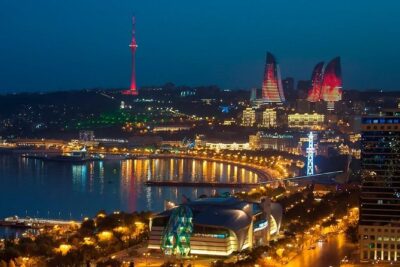
The boat ride gives you a different view of Baku. From the water, the city’s mixture of historic masonry, glass towers, and ambitious new buildings makes more sense. You can also take a breather after the Old City walk, which helps keep the first day from feeling like a nonstop march.
The Caspian is central to Azerbaijan’s identity and economy, so this is more than a decorative cruise. It places Baku beside the sea that shaped its oil wealth, trade, and modern growth. Bring sun protection, since open-water views can feel bright even when the city itself is comfortable.
Highland Park and the Heydar Aliyev Center
Highland Park takes about an hour and is the best place on this itinerary for a broad view over Baku. The viewpoint helps you understand the city’s scale and position beside the Caspian. It is also a good photo stop, though windy conditions or poor weather could affect the experience.
The final Baku stop is the Heydar Aliyev Center, with museum admission included. The building itself is one of the city’s defining modern works, known for its flowing white curves and almost complete lack of hard visual corners. Inside, the museum focuses on Azerbaijan’s history.
This pairing works well. Highland Park gives you the city from above, while the cultural center offers a more formal account of the country’s past. The contrast also captures Azerbaijan’s current character: medieval monuments remain in daily view, while modern architecture signals a state eager to present a new image.
The first day includes four stops in roughly five hours of listed sightseeing time, not counting transfers or meals. That makes it efficient, but you should not expect long independent visits at every location.
Gobustan: Azerbaijan’s oldest chapter
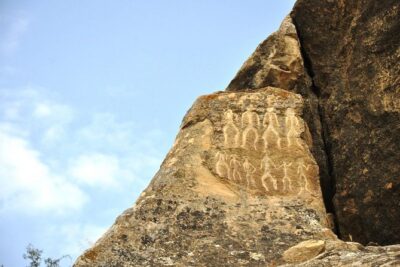
Day 2 heads south from Baku after breakfast for Gobustan National Park Museum and its rock art. The listed visit takes about three hours, and this is one of the most important parts of the trip for anyone interested in archaeology.
The petroglyphs depict people, animals, hunting scenes, boats, and daily activity from a very distant past. The tour describes human habitation and rock art reaching back 40,000 years. Your guide’s explanation matters here because the carvings can look simple at first glance. With context, they become evidence of how people observed and recorded their world long before written records.
The museum gives you an introduction before you see the carvings outdoors. That order is sensible. It lets you recognize what you are looking at and understand why Gobustan matters to Azerbaijani history.
Conditions at archaeological sites can depend on weather, and the itinerary specifically notes that the experience requires good weather. Wear practical shoes and expect the site to feel more exposed than an indoor museum. Gobustan is not a quick photo stop. Give the explanations your attention, since they provide much of the value.
A completely different sort of day out of Baku:
- Baku: Gobustan, Mud Volcano, Fire Mount, Temple Lunch Entry
★ 4.9 · 3,246 reviews - Baku: Guba, Shahdag, Laza & Lunch w/ Free City & Night Tour
★ 4.8 · 1,455 reviews - BEST Gobustan, Volcanoes & Absheron Fire Tour (Group or Private)
★ 5.0 · 1,254 reviews - Gobustan and Absheron tour (All inclusive)
★ 5.0 · 1,014 reviews
Mud volcanoes and the Soviet-era Lada ride
After Gobustan, the group changes vehicles and travels about five kilometers to the mud volcanoes in a Soviet Russian Lada. The drive takes roughly an hour as part of the listed stop.
Azerbaijan is known for having more mud volcanoes than any other country, according to the tour information. These low, bubbling cones are created by underground gases and mud rather than hot lava. The setting is strange and memorable, especially after the ancient rock art nearby.
The Lada transfer is part of the fun, but comfort is not its strong point. Roads to the volcanoes can be rough, so anyone with back or mobility concerns should ask how demanding the ride is. You should also expect dust and uneven ground. This is a short, unusual excursion, not a polished theme-park attraction.
Diri Baba, Shamakhi, and the road into the mountains
Day 3 is the most ambitious day. It leaves Baku for four historic and cultural stops, beginning with the Diri Baba Mausoleum. The monument dates to 1402 and remains a pilgrimage site for local people. Its setting and age make it more than a quick architectural stop, but the listed visit is only one hour.
The next stop is Shamakhi Juma Mosque, described as Azerbaijan’s oldest and largest mosque. Tradition links its construction to the eighth century, when Shamakhi became the residence of an Arab caliph. An inscription on the original portal reportedly dated the mosque to 743.
The mosque has been damaged and rebuilt over time, so what you see is part of a long story rather than a perfectly preserved eighth-century building. That is worth keeping in mind. Ask your guide to separate legend, inscription, reconstruction, and documented history.
Yeddi Gumbaz, or Seven Domes, adds another hour. The mausoleum complex was built for members of the Khan of Shamakhi’s family around the seventeenth century. The domed tombs are quieter and less grand than Baku’s headline sights, but they give you a closer look at regional power and burial customs.
These three stops work as a set. Diri Baba represents pilgrimage, Juma Mosque represents religious life, and Yeddi Gumbaz represents dynastic memory. You will get more from them if you listen to the guide rather than treating each as an isolated photo opportunity.
Lahic: copper, stone lanes, and living craft
The final Day 3 stop is Lahic, reached in the Ismailli region. The visit lasts about two hours and is the clearest opportunity on the tour to see a village shaped by craft traditions.
Lahic is known for handmade copper goods with detailed designs, produced using traditional methods. The village has also been recognized for its craft and trading culture, and the tour information notes its place on UNESCO’s Intangible Cultural Heritage list.
This is where the experience feels most connected to everyday local work. Look closely at the copper pieces, but do not assume every item is included in the price. Purchases are your responsibility unless your guide explains otherwise.
The itinerary calls this stop Lahic Guest House, but it does not state that an overnight stay is included. Treat it as a village visit unless your booking confirmation says you will sleep there. The road day is long, and the schedule gives only two hours in Lahic, so you may need to choose between browsing, photography, and a relaxed meal.
One practical concern deserves attention. A past account described difficult driving on a road under construction between Ismailli and Gabala. That route is not clearly part of this four-day plan, but it is sensible to ask about current road conditions and the driver before departure. Another account praised the driver but noted limited English communication. Confirm that your guide, not only the driver, will handle explanations in your preferred language.
Ateshgah and Fire Mountain
Day 4 explains the Land of Fire nickname with a visit to Ateshgah Fire Temple and Fire Mountain. The combined stop lasts about three hours and includes admission.
Ateshgah is a fire-worship temple associated with Zoroastrian and Hindu communities who used the site over several centuries. Natural gas once fed flames in the area, giving the place a powerful spiritual meaning. The current complex has a central altar and surrounding rooms, and the museum helps explain the pilgrims and merchants connected with it.
Fire Mountain, or Yanar Dag, is the natural counterpart to the temple. Gas escaping from the earth creates a persistent flame on the hillside. The effect is simple but striking, especially when your guide connects the geology to the beliefs that grew around it.
The two sites belong together, but three hours can feel short if you want a leisurely museum visit and plenty of photographs. The itinerary ends with a 30-minute transfer to Heydar Aliyev International Airport. That makes Day 4 convenient for a departure day, but you should not schedule a tight flight immediately after the advertised transfer. The listed times do not account for airport procedures, traffic, or delays.
What $500 buys you
At $500 per person, the price is easiest to judge as a package of time, transport, admissions, planning, and private service. Included admissions cover the Old City attractions listed, the Caspian boat trip, the Heydar Aliyev Center museums, Gobustan, the mud volcano excursion, and Ateshgah and Fire Mountain. Airport transfer is also included.
The private format is the strongest value point. Only your group participates, so you are not tied to a large coach or a fixed crowd. Pickup is offered, and group discounts may improve the price for families or friends traveling together.
The cost does not appear to include hotels, meals, or shopping. Several longer reviews connected this operator with hotel arrangements on other tours, but that does not confirm accommodation for this four-day package. Ask for a written list of inclusions before booking.
The tour is also a good fit if you want one coordinator to handle a complicated route. Planning help, restaurant suggestions for dietary needs, and quick replies were praised in several accounts. That personal support can be worth paying for in a country where you may not know the roads, language, or opening arrangements.
Guides, vehicles, and the fine print
Guide quality appears to be one of the tour’s strongest features. Ferhad has been praised for detailed explanations, while Afag has been described as an attentive Italian-speaking guide with strong cultural insight. Artunj is associated with careful planning, flexibility, and assistance with food requirements.
Those positive points should not make you skip basic questions. Ask who will guide your exact departure, which language will be used, and what kind of vehicle is assigned for the mountain roads. One account praised the vehicle and organization, while another raised serious concerns about driving and the response to criticism. A balanced choice means taking both sides seriously.
Most people can participate, and this is a private activity. Still, the Gobustan terrain, mud volcano transfer, village roads, and full Day 3 may be tiring. Older adults can enjoy the route, but the group should discuss walking tolerance and road comfort in advance.
The booking is confirmed at the time of purchase. Cancellation is free up to 24 hours before the local start time, with a full refund. Changes made inside that period are not accepted, and poor weather can lead to a new date or full refund.
Who should book the four-day route?
I would choose this tour if you have only a few days and want Azerbaijan’s main themes in one sweep: medieval Baku, oil-era modernity, ancient rock art, unusual geology, Islamic monuments, village crafts, and sacred fire.
It suits first-time visitors, private groups, families wanting a flexible schedule, and people who prefer a guide to explain what they are seeing. It also makes sense for anyone who values airport transfer and included admissions more than independent restaurant hunting or public transport.
I would hesitate if you dislike long drives, bumpy roads, or tightly scheduled sightseeing. Independent visitors may prefer to spend extra time in Baku, while archaeology fans could want more hours at Gobustan. Before booking, confirm the exact hotel arrangements, guide language, vehicle, meal plan, and departure flight timing.
Should you book it?
Yes, if you want a broad first look at Azerbaijan with the hard planning handled for you. The strongest features are the private setup, thoughtful route, included major admissions, and repeated praise for organizers and guides such as Artunj, Ferhad, and Afag.
Book with a few questions answered first. The main risk is not the range of sights. It is the amount of road time and the uneven reports about driving and communication. If those details check out, this is a useful four-day introduction that gives you far more than Baku alone.
FAQ
How long does the experience last?
The tour lasts approximately four days.
Where does the tour take place?
The tour is based in Baku and visits Gobustan, the mud volcanoes, Diri Baba Mausoleum, Shamakhi, Yeddi Gumbaz, Lahic, Ateshgah Fire Temple, Fire Mountain, and Heydar Aliyev International Airport.
What time does the tour start?
The stated start time is 8:00 a.m.
Is this a private tour?
Yes. Only your group participates in the activity.
Is pickup available?
Yes. Pickup is offered.
Are admission tickets included?
Admission is included for the listed Old City attractions, the Caspian boat trip, Heydar Aliyev Cultural Center museums, Gobustan, the mud volcanoes, Ateshgah Fire Temple, and Fire Mountain. Diri Baba Mausoleum, Juma Mosque, Yeddi Gumbaz, and Lahic are listed without admission charges.
Is the airport transfer included?
Yes. The itinerary includes a 30-minute transfer to Heydar Aliyev International Airport on Day 4.
Can I cancel for a full refund?
Yes, if you cancel at least 24 hours before the experience start time. Cancellations made less than 24 hours in advance are not refunded.
What happens if bad weather cancels the tour?
If poor weather causes cancellation, you will be offered a different date or a full refund.
Recently added around Baku
- Heartbeat of Baku: Old & Modern City Walk (Group or Private)★ 5.0 · 3 reviews
- Baku: Secret Tour with Surprise Activity★ 5.0 · 3 reviews
- From Baku: Shahdag Mountain Resort Day Trip★ 5.0 · 3 reviews
- Full Day Guided Tour of Shamakhi and Gabala★ 5.0 · 3 reviews
- Guba and Khinaligh Private Tour★ 5.0 · 3 reviews
- Guba and Shahdag Tour with Guide★ 5.0 · 3 reviews
- Lahij – village of masters★ 4.5 · 3 reviews
- Gobustan & Mud Volcano★ 4.5 · 3 reviews
4-Day Experiences, compared.
4 Days Tour: Airport Pickup + Old City + Night Tour + Day Trip Baku + Gabala
Read our review →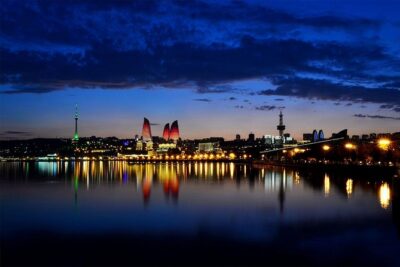

Browse the lists this tour appears in