
Reviewed · GOBUSTAN & MUD VOLCANO TOURS
Baku: Gobustan, Mud Volcano, Fire Mount, Temple Lunch Entry
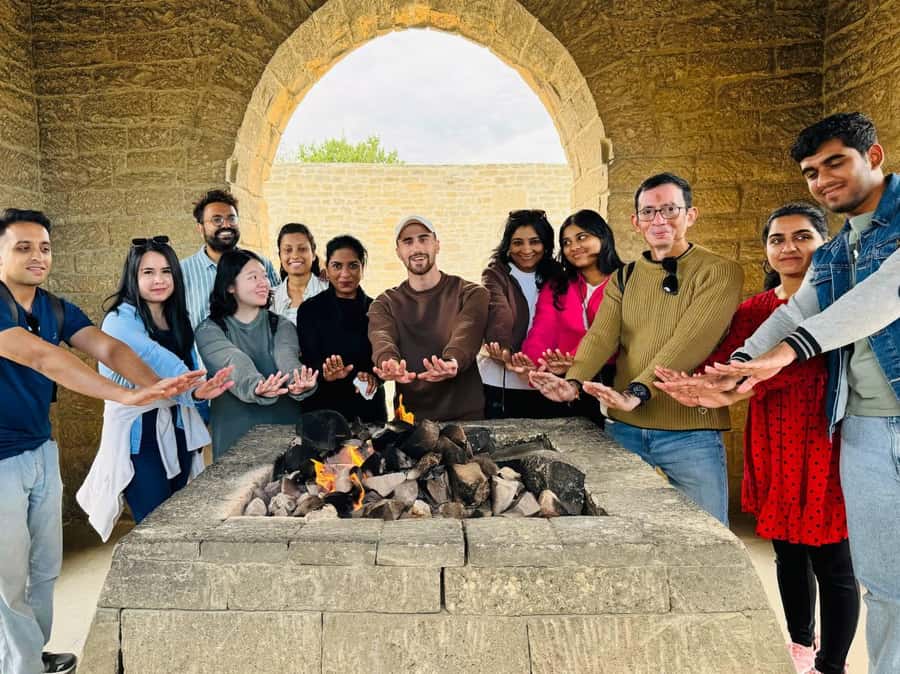
Fire, mud, and ancient marks make a memorable day. I like the wild off-road ride to Gobustan’s mud volcanoes and the chance to see Azerbaijan’s famous fire sites in one outing. Guides such as Yashar, Nabat, Islam, Rza, and Mehri are often praised for clear explanations and warm care. The main drawback is that the advertised $6 price does not cover all required entrance and vehicle fees unless you choose the entrance-included option.
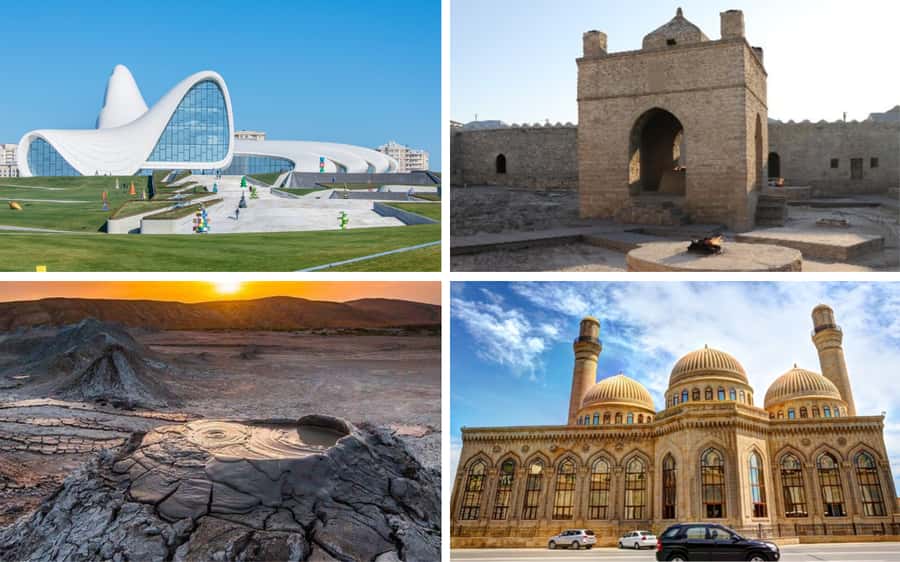
This is a packed trip, but it gives you a useful first look at Azerbaijan beyond central Baku. I especially like the contrast between the sacred Bibiheybat Mosque, prehistoric rock carvings, bubbling mud, and the sleek Heydar Aliyev Cultural Centre. Lunch is extra, and the chosen restaurant may feel touristy or overpriced, so keep your expectations modest.
In This Review
- Key points at a glance
- Why this makes a strong Baku day trip
- Bibiheybat Mosque begins the story
- Gobustan’s mud volcanoes require an off-road ride
- Gobustan Rock Art Museum brings the past into focus
- Ateshgah Fire Temple explains the sacred flame
- Yanar Dag glows with natural gas
- Heydar Aliyev Centre provides a sharp modern contrast
- What the $6 price really means
- Guides make the difference
- Who should book this experience?
- Should you book the Gobustan and Absheron tour?
- FAQ
- What does the tour visit?
- Are entrance tickets included?
- How much are the listed entrance and vehicle fees?
- Is the 30 AZN mud volcano fee optional?
- Is lunch included?
- Does the tour enter the Heydar Aliyev Centre?
- What languages are available?
Key points at a glance
- The mud volcano ride is the day’s most playful adventure: A separate off-road car takes you across rough ground to the bubbling cones.
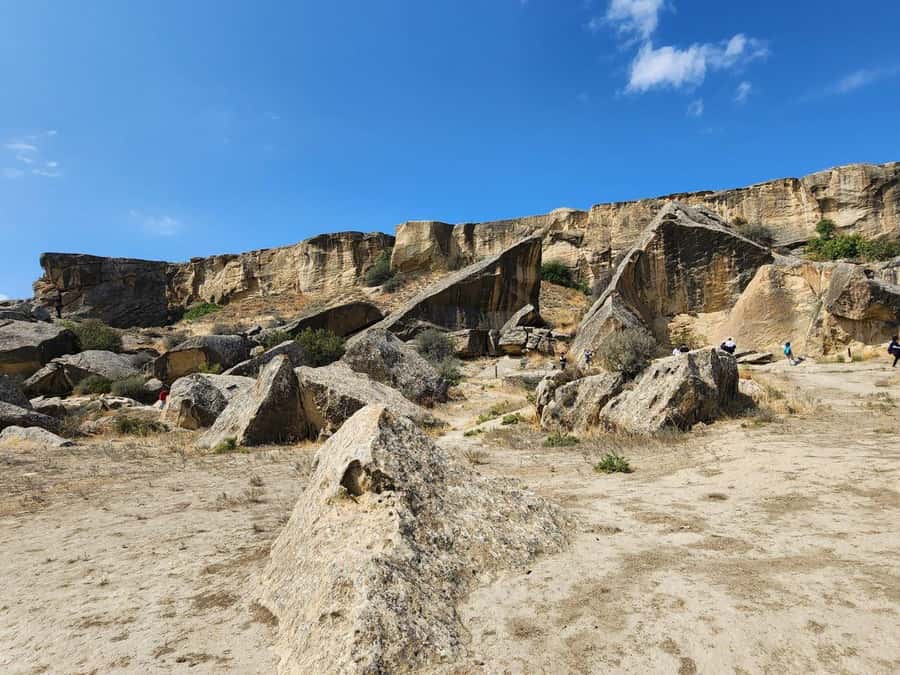
- Gobustan connects nature with ancient human history: You see petroglyphs, artifacts, and an open-air setting that gives context to early life in the region.
- The fire sites explain Azerbaijan’s nickname: Ateshgah Fire Temple and Yanar Dag show how natural gas shaped local belief and identity.
- The $6 headline price needs careful reading: Mandatory fees can add up, especially the 30 AZN cash off-road vehicle charge.
- The guides are a major strength: English, Russian, Italian, Spanish, Chinese, Arabic, Azerbaijani, Turkish, Korean, and other language options are available.
- Heydar Aliyev Centre is a photo stop only: You view its famous curves from outside rather than touring the interior.
Why this makes a strong Baku day trip
Baku is polished, modern, and easy to enjoy on foot, but Azerbaijan makes more sense once you leave the city. This excursion carries you toward the Absheron Peninsula and Gobustan, where fire, oil, mud, worship, and prehistoric art all meet.
I like the range of the program. It is not only an archaeological outing, and it is not only a scenic drive. You get a mosque, a natural oddity, ancient carvings, a fire temple, a burning hillside, and a modern cultural building in one organized route.
That range is also the challenge. The schedule is full, and several stops are exposed to sun and wind. You should see this as an efficient introduction rather than a slow, deeply focused visit to one site.
Roundtrip transport is included, with either a multilingual guide or an English-speaking driver depending on the option you select. Hotel pickup and drop-off are available with the relevant option. In a shared group, the guide may speak to several language groups, but strong guides such as Riza, Islam, Nabat, and Yashar have been praised for keeping explanations clear and the mood relaxed.
More Yanar Dag burning mountain trips:
- Baku: Gobustan, Volcanoes, Fire Temple and Yanardag Day Trip
★ 4.7 · 433 reviews - Gobustan & Mud, Fire Temple, Burning Mountain (Group & Private)
★ 4.5 · 418 reviews - Gobustan, Mud volcanoes, Fire temple, Fire mountain PRIVATE TOUR
★ 5.0 · 47 reviews
Bibiheybat Mosque begins the story
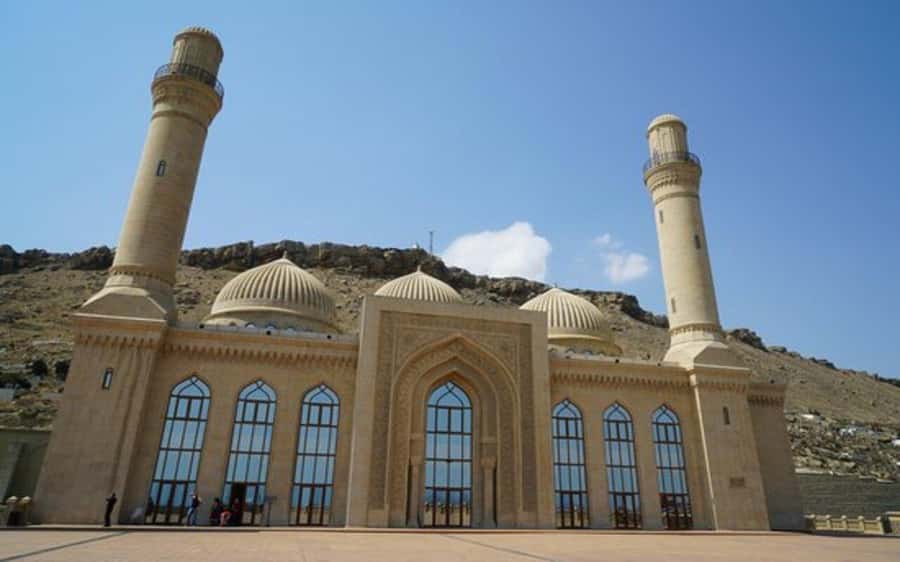
The first major stop is Bibiheybat Mosque, a place of worship and an important piece of Azerbaijan’s religious architecture. Its setting gives you a quieter start than the more unusual sites later in the day.
Your guide explains the mosque’s spiritual role, architectural details, and place in local tradition. Dress and behave respectfully, as you would at any active religious site. The mosque is especially useful early in the itinerary because it introduces the religious side of Azerbaijan before the tour moves into prehistoric culture and Zoroastrian fire worship.
Do not expect a long, private architectural study. This is one stop in a broad program. Still, the visit adds balance and helps you see that Azerbaijan’s identity cannot be reduced to its oil wealth or unusual natural features.
Gobustan’s mud volcanoes require an off-road ride
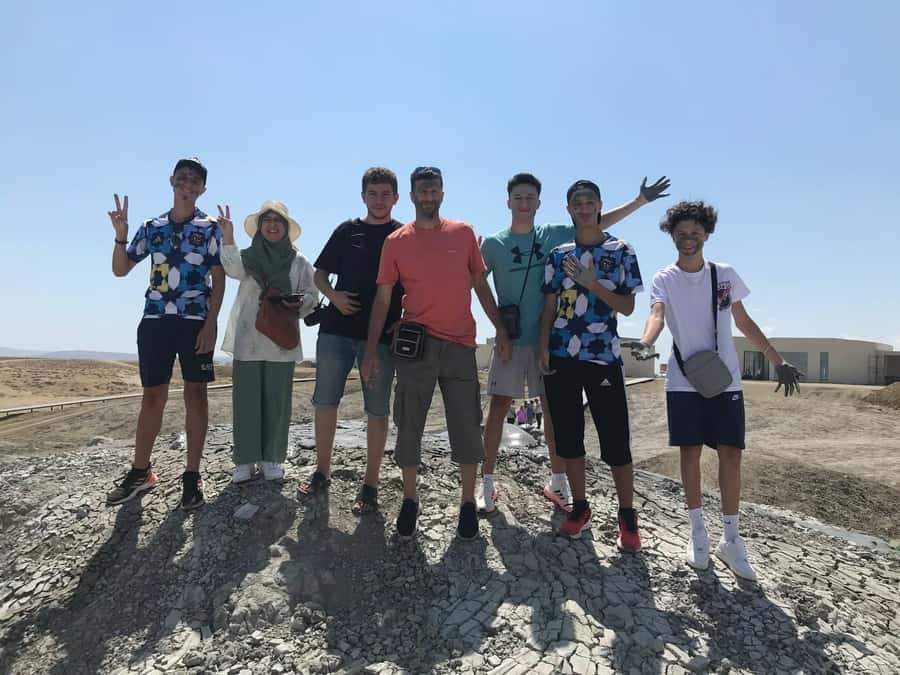
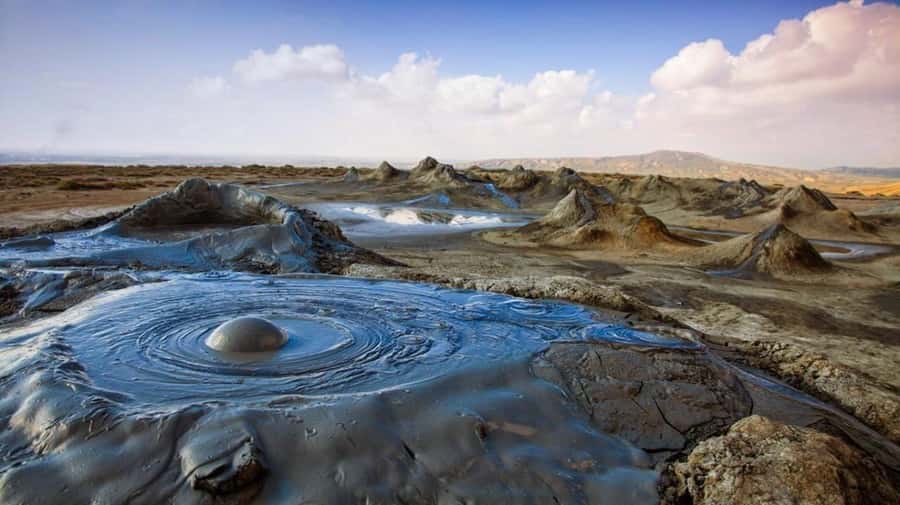
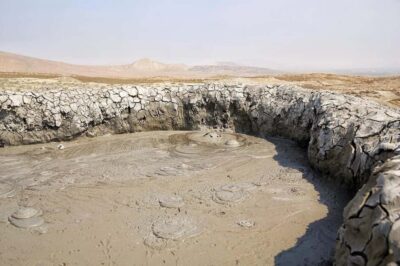
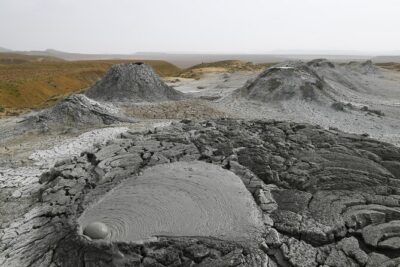
This is the stop that tends to produce the biggest smiles. Gobustan is known for mud volcanoes, where cool mud and gases push upward through the earth. The result is a strange, gray, almost lunar-looking area, with low cones and patches of wet mud.
You normally leave the main vehicle and continue in an off-road car. The ride itself is part of the attraction. The rough track can feel like a small rally, and a good driver makes it fun without turning the journey into an uncomfortable stunt.
The 30 AZN cash charge for the off-road cars is mandatory. It is collected at the start of the tour, and the operator describes it as a required fee rather than a hidden surprise. Budget for it even if you choose the low advertised price.
Weather and road conditions can affect this section. If rain makes the usual route difficult, or the off-road road is closed, the program may use the Mud Volcanoes complex instead. The same 30 AZN cash payment still applies, so do not assume bad weather removes the charge.
Wear shoes you do not mind taking onto dusty or uneven ground. Comfortable shoes are specifically recommended, and that advice matters here more than at the city stops. Bring sunscreen, a hat, and sunglasses in summer. A July visit can be very hot, with little shade around the volcanic area.
The volcanoes are not dramatic mountains with flowing lava. Their appeal is stranger and quieter: bubbling mud, unusual textures, and the feeling that the ground is doing something just beneath your feet. I would rate this as one of the tour’s best reasons to go.
Gobustan Rock Art Museum brings the past into focus
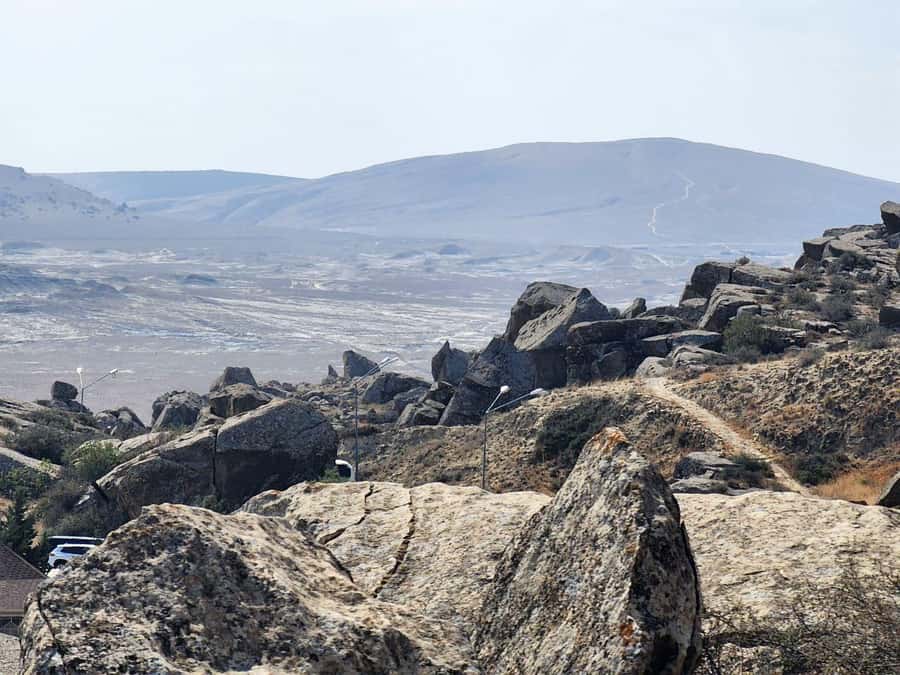
After the mud volcanoes, the Gobustan Rock Art Museum gives the natural setting a human story. The museum and surrounding archaeological area introduce the petroglyphs and artifacts found in the region.
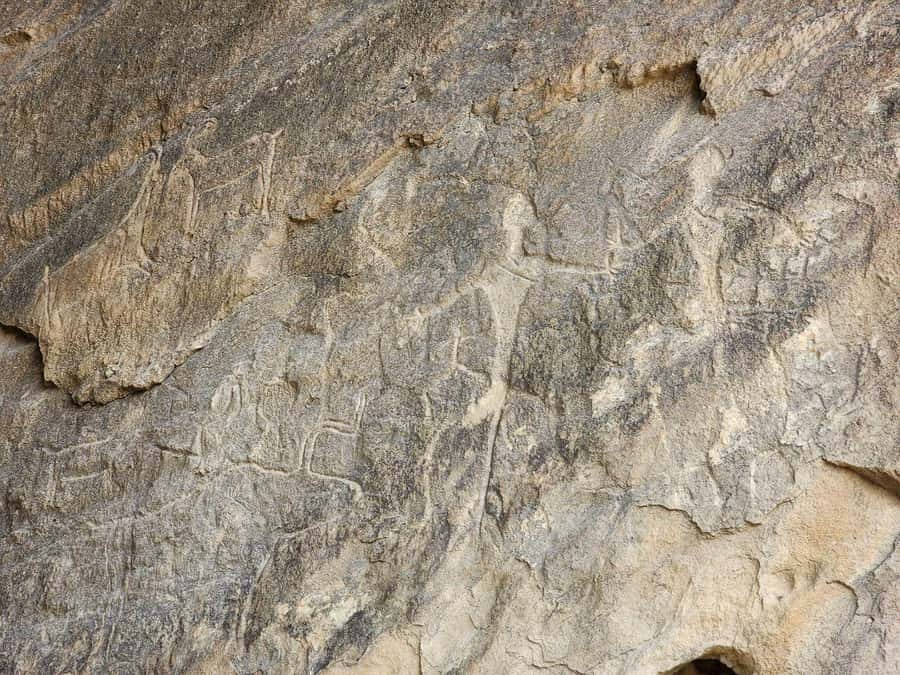
The rock carvings show people, animals, hunting scenes, and symbols from a distant period. You do not merely look at marks on stone. The guide helps explain what they reveal about movement, work, belief, and daily life in early communities.
This is where the trip becomes more than a collection of unusual photo stops. The museum provides essential context, while the carved rocks give you a direct connection to people who recorded their world long before modern writing.
Allow yourself time to look closely. In a busy group, it is easy to hurry past the carvings while following the schedule. The strongest guides, including Azay, Mehri, and Elshad, are praised for explaining archaeological ideas in a way that remains easy to follow.
The site is outdoors, so sun protection and sensible shoes remain useful. The terrain may not suit anyone who wants a completely effortless day, but you do not need specialist archaeological knowledge to enjoy it.
More Gobustan and mud volcano runs:
- BEST Gobustan, Volcanoes & Absheron Fire Tour (Group or Private)
★ 5.0 · 1,254 reviews - Gobustan and Absheron tour (All inclusive)
★ 5.0 · 1,014 reviews - Baku: Gobustan Absheron Tour Entry Tickets included
★ 4.9 · 329 reviews - Gobustan-Mud Volcan-Fire Temple and Mountain Tour/Entrance inc
★ 5.0 · 267 reviews
Ateshgah Fire Temple explains the sacred flame
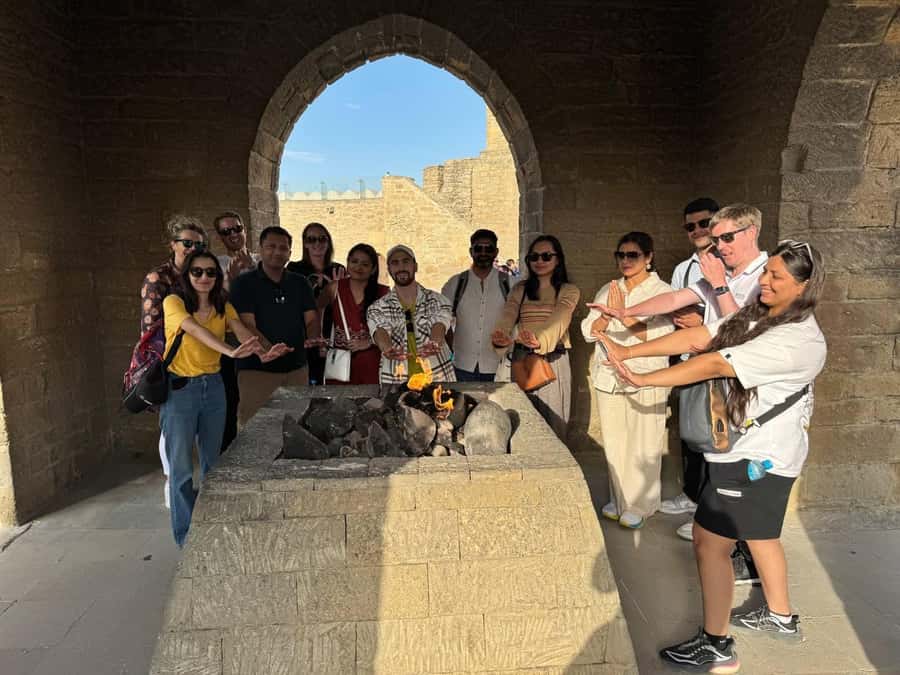
The Fire Temple, also called Ateshgah, shifts the focus from prehistoric life to religion. The site is associated with Zoroastrian traditions and the natural gas fires that once burned in this part of the peninsula.
The temple’s courtyard, rooms, and central fire area help explain why flames became such a powerful symbol here. Your guide can connect the building to wider regional trade and religious customs, giving the stop more meaning than a quick look at an old stone complex.
The fire you see today is controlled, so the experience is not a raw natural eruption. Its value lies in the setting, the stories, and the way natural gas affected worship and local identity.
The entrance fee for Ateshgah and Yanar Dag is listed together as 15 AZN. Check your booking choice carefully. If you do not select entrance fees included, you are responsible for paying at the sites.
This stop is appealing if you enjoy cultural history and religious architecture. If you prefer only dramatic scenery, it may feel more restrained than the mud volcanoes or Burning Mountain. That contrast is useful, though. The day keeps moving between physical spectacle and human meaning.
Yanar Dag glows with natural gas
Yanar Dag, or Burning Mountain, is one of Azerbaijan’s signature sights. Natural gas rises through the earth and burns along the slope, producing a steady line of flame.
The fire can appear blue at its base and yellow higher up, especially when viewed against a darker sky. The effect is unusual, but it is not a huge mountain engulfed in flames. Think of it as a glowing seam along a hillside.
The site is most memorable when your guide explains the geology and the old beliefs linked to eternal fire. Azerbaijan’s association with fire becomes much clearer after you have seen Ateshgah and Yanar Dag together.
This is another exposed outdoor stop. In hot weather, carry water and use sun protection. A bottle of water may be provided on request, but I would not rely on that alone.
Yanar Dag is easy to photograph, but do not let the camera replace the experience. Look closely at the flame’s shape and color, then listen to the explanation. The natural gas is the attraction, while the cultural story is what makes it worth including in a wider tour.
Heydar Aliyev Centre provides a sharp modern contrast
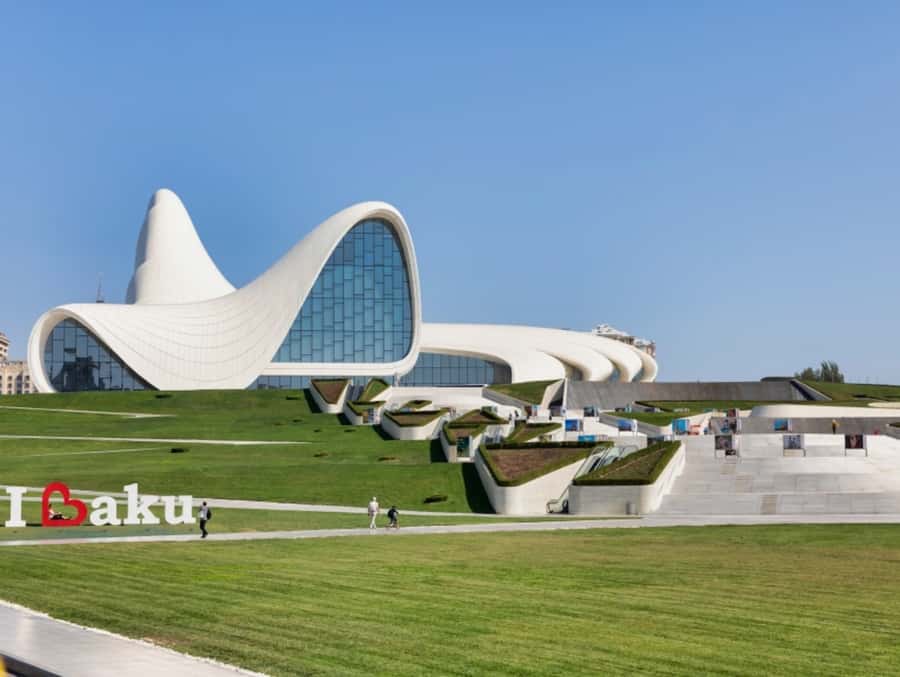
The final sightseeing point is the Heydar Aliyev Cultural Centre, one of Baku’s best-known modern buildings. Its white, flowing curves look completely different from the mosque, temple, museum, and ancient rocks earlier in the day.
You stop outside for photographs. The group does not enter the interior because of time limits, so do not book this tour expecting a full museum visit.
The building works well as a closing image because it shows another side of Azerbaijan: ambitious, modern, and visually bold. You can also take a photograph at the I Love Baku sign.
This is a short stop, but it is useful for first-time visitors who want a broad introduction to Baku’s past and present. If you have already visited the centre, you may find this part less valuable. In that case, treat it as a convenient photo opportunity rather than a major cultural visit.
What the $6 price really means
At $6 per person, the basic price looks exceptionally low. It is important to read that figure as a starting rate, not the final cost of a fully paid sightseeing day.
The listed entrance charges are:
- 10 AZN for Gobustan Rock Art
- 30 AZN cash for the off-road cars to the mud volcanoes
- 15 AZN for Ateshgah Fire Temple and Yanar Dag together
Lunch is not included. The tour information also says there are no hidden costs, because these charges are disclosed in advance. Still, you should calculate the total before booking so the low headline price does not mislead your budget.
The entrance-included option is the easier choice for most people. It removes the need to handle payments at several stops, and it comes with a complimentary Baku city tour according to the tour terms. That added city tour can improve the value considerably if you have enough time in Baku.
The cheapest option may work for you if you want control over spending and are comfortable carrying cash. The included option is better if you value convenience and want a clearer total price.
Lunch is an additional cost and part of the day’s practical compromise. One meal stop has received criticism for touristy service and high prices, while other experiences describe lunch as a pleasant part of the day. I would keep your expectations sensible, ask about the menu price before ordering, and carry a little extra money.
Guides make the difference
The strongest part of this experience is the human side. A packed route can feel like a checklist if the guide only announces names and times. It becomes much better when the guide explains why each place matters.
Several guides have earned particularly warm praise. Yashar is described as friendly, patient, and skilled at connecting history, culture, religion, and food. Nabat is praised for warmth, clear English, and careful answers. Islam is noted for energy and strong explanations, while Rza receives praise for speaking several languages and keeping people comfortable.
Other named guides include Mehri, Azay, Elshad, Hikmeet, and Zamir. The specific person assigned to your group may vary, but the range of positive comments suggests that guide quality is a central strength of this operation.
Language choices include English, Italian, Spanish, Chinese, Arabic, Azerbaijani, Russian, Turkish, and Korean. In a multilingual group, explanations may take longer, but the language range makes the tour accessible to more people.
Transport is generally described as clean and comfortable, though city events can cause trouble. During one F1-related road blockage, a pickup failed, but the operator arranged and paid for a taxi and offered a free city tour as compensation. That is a useful sign of practical problem-solving, though road closures can still disrupt a tightly timed day.
Who should book this experience?
I would recommend it most strongly to a first-time Baku visitor who wants to see several major sights without arranging separate taxis, tickets, and drivers. It also suits couples, families with older children, and curious people who enjoy a mix of archaeology, religion, geology, and architecture.
It is less suitable if you want a relaxed pace or long periods at each site. The schedule is full, the mud volcano road is rough, and summer heat can make the day tiring. Anyone with mobility concerns should ask the provider for current details before booking, since the supplied information only specifically recommends comfortable shoes.
Choose the entrance-included option if you dislike cash payments and want the complimentary city tour. Choose the basic option only after adding the published fees to your budget.
Should you book the Gobustan and Absheron tour?
Yes, if you want maximum variety in one full day and can accept a brisk schedule. The mud volcanoes, Gobustan carvings, Ateshgah, and Yanar Dag each offer something different, while Bibiheybat Mosque and the Heydar Aliyev Centre broaden the picture.
I would not book it for a quiet, slow archaeological visit or a gourmet lunch. I would book it for the off-road ride, the odd beauty of the mud cones, the ancient carvings, and the chance to understand why fire has shaped Azerbaijan’s identity.
For the best value, compare the final price of both booking options, bring cash for the 30 AZN vehicle fee unless it is clearly covered, wear sturdy shoes, and pack sun protection. With those details handled, this is a very efficient way to see the remarkable sights outside Baku.
FAQ
What does the tour visit?
The route includes Bibiheybat Mosque, Gobustan’s mud volcanoes, Gobustan Rock Art Museum and petroglyph area, Ateshgah Fire Temple, Yanar Dag Burning Mountain, the Heydar Aliyev Cultural Centre for outside sightseeing, and the I Love Baku sign.
Are entrance tickets included?
They are included only if you select the entrance-included option. Otherwise, you pay separately for Gobustan, Ateshgah, and Yanar Dag.
How much are the listed entrance and vehicle fees?
Gobustan Rock Art costs 10 AZN. The off-road cars for the mud volcanoes cost 30 AZN cash per person. Ateshgah and Yanar Dag together cost 15 AZN.
Is the 30 AZN mud volcano fee optional?
No. The 30 AZN cash charge for the off-road cars is mandatory. It still applies if rain or a closed off-road route changes the mud volcano stop to the Mud Volcanoes complex.
Is lunch included?
No. Lunch is not included in the tour price, so you should bring spending money for the meal.
Does the tour enter the Heydar Aliyev Centre?
No. The centre is a sightseeing and photo stop only. Groups do not enter the building’s interior because of time limits.
What languages are available?
Language options include English, Italian, Spanish, Chinese, Arabic, Azerbaijani, Russian, Turkish, Korean, and others listed by the provider. Private tours may have an optional guide.
More Lunch Experiences
- Baku: Guba, Shahdag, Laza & Lunch w/ Free City & Night Tour
★ 4.8 · 1,455 reviews - Baku: Candy Cane, Guba, Khinaliq village with Homemade Lunch
★ 4.9 · 519 reviews - Baku: Guba & Sahdag Tour Lunch included and Laza Waterfall
★ 4.9 · 506 reviews - Baku: Guba Khinalig & Candy Cane Tour with Homemade Lunch
★ 4.9 · 447 reviews
Recently added around Baku
- Heartbeat of Baku: Old & Modern City Walk (Group or Private)★ 5.0 · 3 reviews
- Baku: Secret Tour with Surprise Activity★ 5.0 · 3 reviews
- From Baku: Shahdag Mountain Resort Day Trip★ 5.0 · 3 reviews
- Full Day Guided Tour of Shamakhi and Gabala★ 5.0 · 3 reviews
- Guba and Shahdag Tour with Guide★ 5.0 · 3 reviews
- Lahij – village of masters★ 4.5 · 3 reviews
- Guba and Khinaligh Private Tour★ 5.0 · 3 reviews
- Gobustan & Mud Volcano★ 4.5 · 3 reviews
Gobustan & Mud Volcano Tours, compared.
BEST Gobustan, Volcanoes & Absheron Fire Tour (Group or Private)
Read our review →
Gobustan, Volcanoes, Fire Temple and Yanardag Day Trip
Read our review →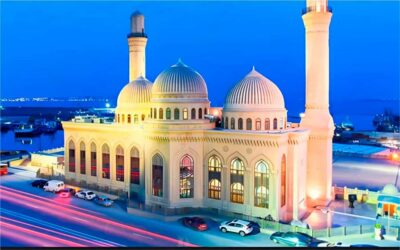
Gobustan-Mud Volcan-Fire Temple and Mountain Tour/Entrance inc
Read our review →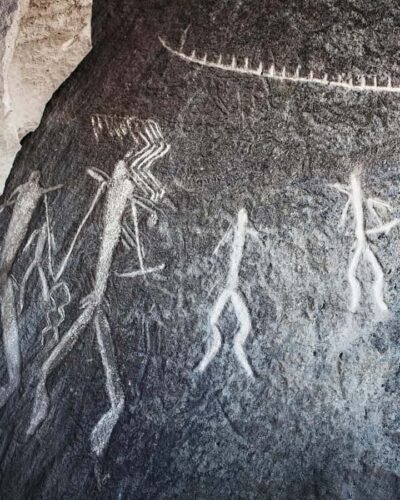
Gobustan Mud Volcanoes Temple & Entry tickets included
Read our review →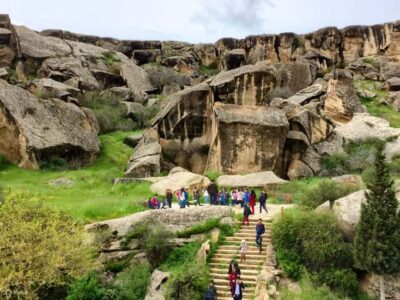
Gobustan-Absheron Tour with Hotel PICK UP and DROP OFF
Read our review →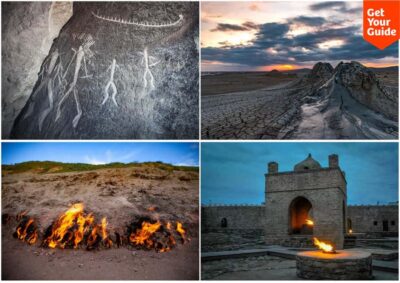
Gobustan/Absheron guided tour with lunch and tickets
Read our review →Browse the lists this tour appears in