
Reviewed · GOBUSTAN & MUD VOLCANO TOURS
Baku: Gobustan Absheron Tour Entry Tickets included
Fire, mud, stone, and oil fill one day. This Absheron tour links Azerbaijan’s strangest natural sights with important religious and cultural sites, from prehistoric carvings at Gobustan to the futuristic Heydar Aliyev Center. I especially like the mix of ancient rock art and fiery geology, and I like that hotel pickup, transport, a guide, and lunch can be bundled together.
The main consideration is the packed schedule. The mud volcano stop may last only about 15 minutes, and the $6 headline price applies to a specific booking option, while some admission fees and the off-road ride can affect the final cost. Ask exactly what your selected option includes before you pay.
In This Review
- Key points to know before you book
- Why this Baku day trip works
- Pickup, transport, and the shape of the day
- Gobustan: prehistoric drawings in open country
- Mud volcanoes and the bumpy Lada-style ride
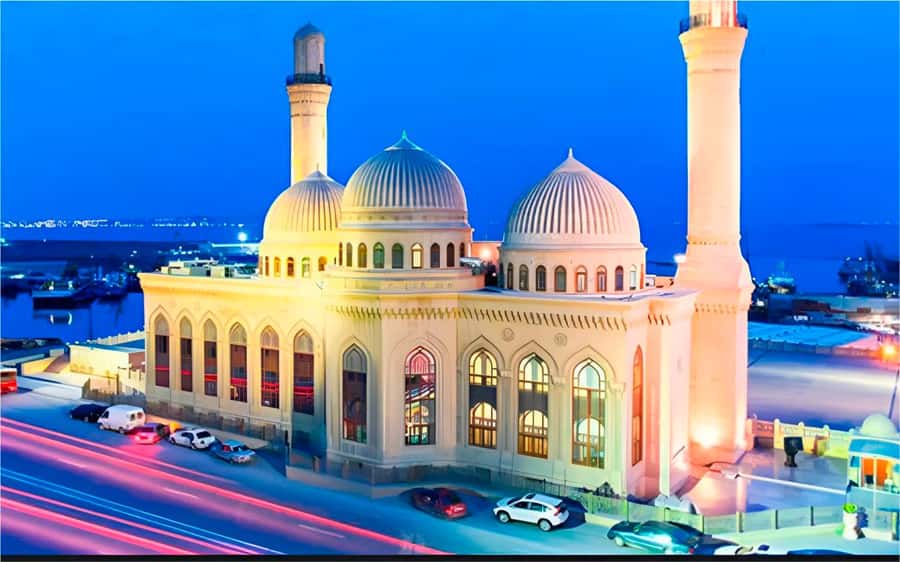
- Bibi-Heybat Mosque and Azerbaijan’s Islamic heritage
- The first oil wells and the power beneath the ground
- Ateshgah Fire Temple and the old fire-worship tradition
- Yanardag, where the hillside burns
- Heydar Aliyev Center and a sharp modern finish
- Guides, lunch, and the human side of the tour
- Is the $6 price good value?
- Who should book this tour?
- Final verdict: book it if you want range
- FAQ
- Where does the tour take place?
- Is hotel pickup included?
- What languages are available?
- Are entry tickets included?
- How much is the Gobustan admission fee?
- Is the mud volcano vehicle fee required?
- How much is the Fire Temple and Yanardag ticket?
- Is lunch included?
- Can I visit the Heydar Aliyev Center inside?
Key points to know before you book
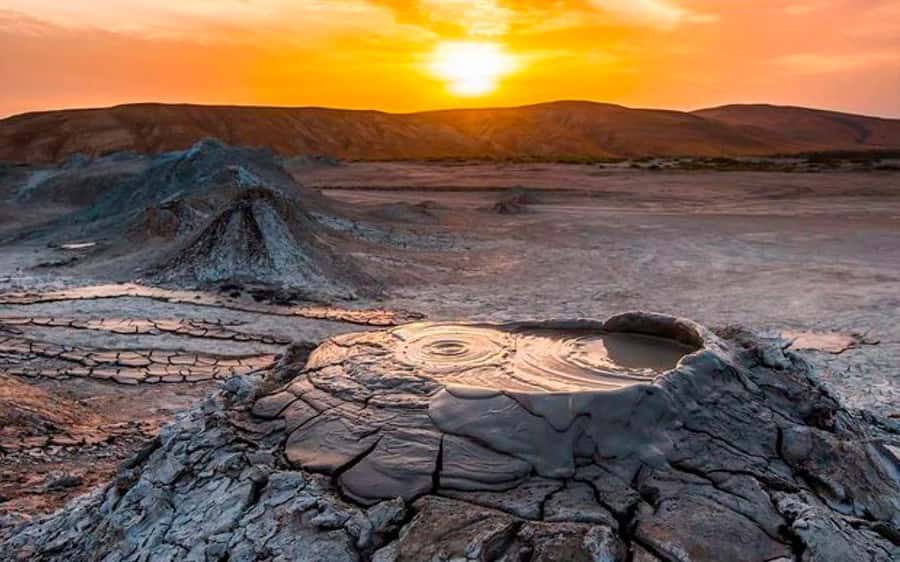
- Azerbaijan’s oddest natural sights: Mud volcanoes and Yanardag’s hillside flames give this day a strong sense of place.
- Gobustan is the historical anchor: Ancient petroglyphs and caves offer a direct look at prehistoric life near the Caspian.
- The off-road ride is part of the fun: Reaching the mud volcanoes by rugged Lada-style vehicle adds a lively, bumpy change of pace.
- The guides make a major difference: Murad, Gani, Adil, and Serví are frequently praised for clear explanations, patience, humor, and care.
- The itinerary covers a lot: You see religious sites, oil history, geology, archaeology, and modern architecture in one day.
- Check the fee structure: The included-ticket option covers site admissions, but the mud volcano vehicle fee is listed as mandatory unless already included in your chosen package.
Why this Baku day trip works
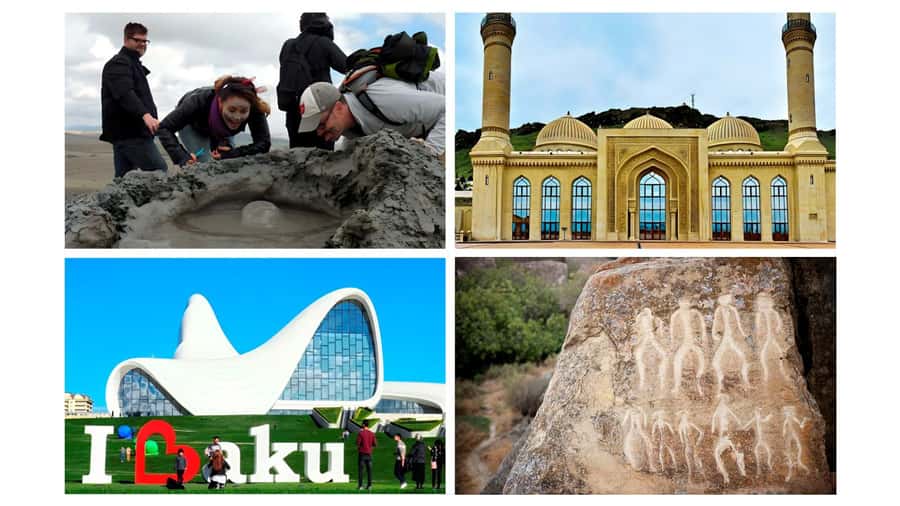
Baku is a polished capital with grand buildings, broad avenues, and a long connection to oil. Beyond the city, the Absheron Peninsula becomes much stranger. Gas burns from the ground, mud bubbles from low cones, and stone panels carry drawings made thousands of years ago.
That contrast is the heart of the day. You are not simply visiting a line of monuments. You move from prehistoric art to Islamic worship, from the first oil wells to Zoroastrian fire rituals, then finish with one of the city’s most famous modern buildings.
I like this format if you have only one free day in Baku. The sites are spread across the peninsula, and arranging separate rides would take time and planning. A single vehicle also lets the guide explain what you are passing on the road, something Murad did particularly well according to the feedback shared about his tours.
The tradeoff is pace. This is a sightseeing sweep, not a slow study tour. You will get a useful introduction to many places, but some stops are brief. If Gobustan is your main goal, a tour focused only on the reserve would give you more time with the carvings and museum area.
More Gobustan and mud volcano runs:
- Baku: Gobustan, Mud Volcano, Fire Mount, Temple Lunch Entry
★ 4.9 · 3,246 reviews - BEST Gobustan, Volcanoes & Absheron Fire Tour (Group or Private)
★ 5.0 · 1,254 reviews - Gobustan and Absheron tour (All inclusive)
★ 5.0 · 1,014 reviews
Pickup, transport, and the shape of the day
The day begins with pickup from your hotel or another address in Baku. Transport is described as comfortable, with air conditioning, and several comments praise the spacious vehicle and smooth organization. One especially useful detail is that advance messages are sent to confirm participation, which can reduce morning confusion.
The route includes both paved city and peninsula roads, plus an off-road section for the mud volcanoes. The driver matters here. One account specifically praised the driver’s maturity and experience during the longer road sections and hilly approach.
Expect time in the vehicle between major stops. That is not wasted time if your guide keeps talking about Azerbaijan, Baku, and places along the route. Murad is often praised for doing this, while Gani is noted for his clear English and easy humor.
The tour is offered in English, Russian, and Turkish. If you need a particular language, confirm that at booking rather than assuming it will be available on every departure.
Gobustan: prehistoric drawings in open country
Gobustan National Park gives the tour its oldest chapter. The rock art reserve contains carvings made millennia ago, along with caves and stone formations connected to early human settlement around the Caspian shore.
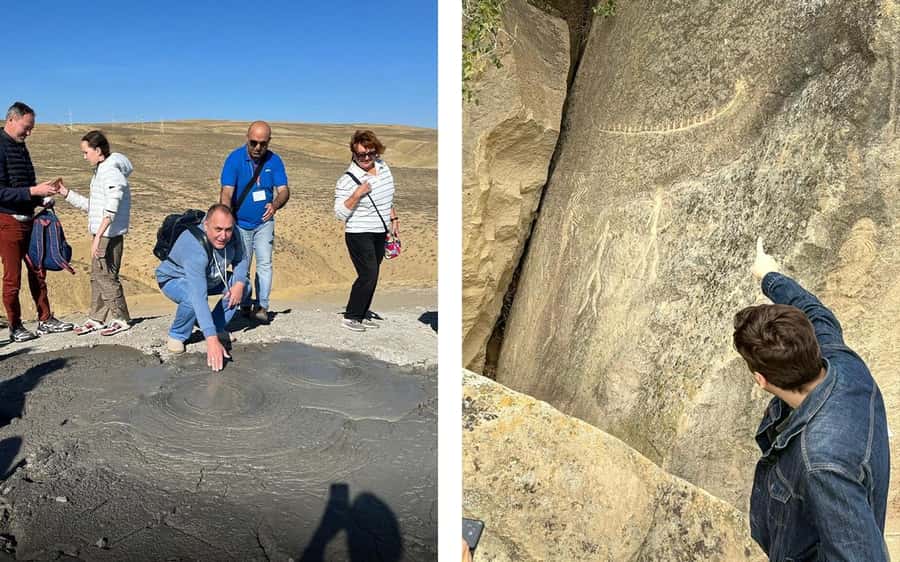
You will see figures and scenes cut into rock rather than displayed behind glass. That direct setting is what makes Gobustan memorable. The drawings are not just archaeological objects. They remain in the same broad environment where early communities lived, hunted, moved, and recorded parts of their world.
This is a place where a guide adds real value. The markings can be easy to overlook without someone pointing out shapes, patterns, and possible meanings. Gani and Murad are both repeatedly praised for explaining the carvings and placing them in a wider story about Azerbaijan.
Allow yourself to look carefully. The stop is more rewarding when you slow down and let your eyes adjust to the stone surfaces. Wear sensible shoes, bring water, and use sun protection, especially in hot weather. One person enjoyed the visit but felt the mud volcano time was short, a useful reminder that the itinerary gives Gobustan more intellectual weight than the smaller geological stop.
The listed optional admission to the Gobustan rock carving area is 10 AZN per person. If you book the entry-tickets-included option, this fee should be covered in the tour price. Confirm the package details because the basic advertised price and the ticket-inclusive price are not necessarily the same.
Mud volcanoes and the bumpy Lada-style ride
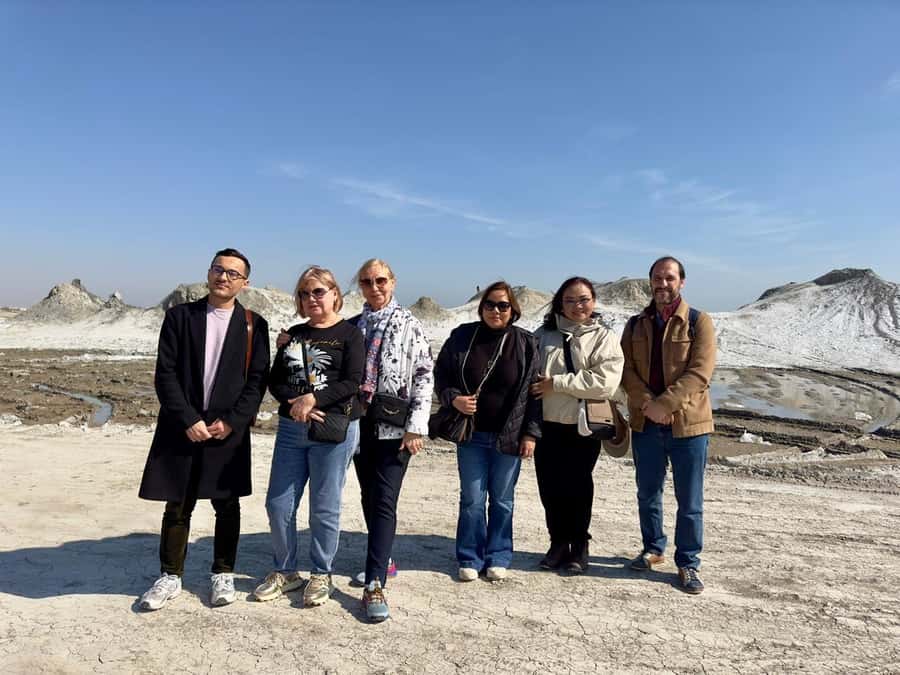
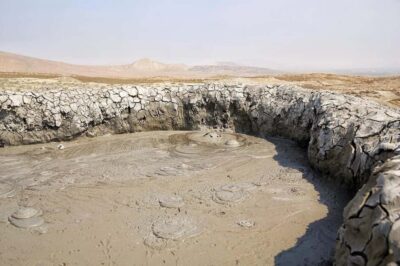
Azerbaijan is famous for its mud volcanoes, and this is the tour’s most unusual stop. These low cones release mud and gas rather than hot lava, creating bubbling craters and pale, rough ground that can look almost otherworldly.
The scenery is stark. There are no grand monuments here, and the appeal is the geology itself. You see the ground behaving in a strange, slow, messy way. It is a good counterpoint to the careful carvings at Gobustan.
Reaching the site by an off-road vehicle makes the stop more memorable. The Lada-style ride has been described as an adrenaline-filled part of the day, but it is also practical because the volcano area is not reached by the main tour vehicle alone. Expect bumps, dust, and a short burst of rough-road travel rather than a polished sightseeing transfer.
The listed off-road fee is 30 AZN per person, described as mandatory and collected before the tour starts. This is the most important cost detail to clarify. If you have booked a package advertised with entry tickets included, ask whether this vehicle charge is already included. The information says there are no hidden costs, but the separate fee wording means you should check the exact booking option.
The stop may feel short. One person specifically wished for more than 15 minutes at the volcanoes. I would treat this as a sample of the area, not a long geological visit. If you love unusual natural formations, you may want more time. If you mainly want to see the phenomenon and enjoy the ride, the brief stop can still work well.
More Absheron peninsula circuits:
- Baku: Gobustan-Absheron Tour with Hotel PICK UP and DROP OFF
★ 4.8 · 170 reviews - Baku: Gobustan/Absheron guided tour with lunch and tickets
★ 4.8 · 158 reviews - Gobustan and Absheron peninsula ( Group or Private ) TOUR ( All inclusive )
★ 5.0 · 130 reviews - Baku : Gobustan, Absheron Sights Guided Day Trip Lunch included
★ 5.0 · 120 reviews
Bibi-Heybat Mosque and Azerbaijan’s Islamic heritage
Bibi-Heybat Mosque brings a calmer, more spiritual mood after Gobustan and the volcanoes. The mosque was rebuilt and is presented as an important symbol of faith and resilience, with a design that reflects Azerbaijan’s Islamic tradition.
This stop is valuable because it keeps the tour from becoming only a geology-and-history circuit. You see how the country’s religious identity fits alongside its older fire-worship traditions and modern oil wealth.
Dress and behave respectfully at the mosque. The supplied information does not set out a detailed dress code, so modest clothing is the sensible choice. Your guide can explain the site and its place in Baku’s religious life, while you take in the architecture and atmosphere.
The visit also helps connect the city with the peninsula. Bibi-Heybat is not an isolated monument dropped into the schedule. It forms part of the story of a region shaped by belief, natural gas, trade, and petroleum.
The first oil wells and the power beneath the ground
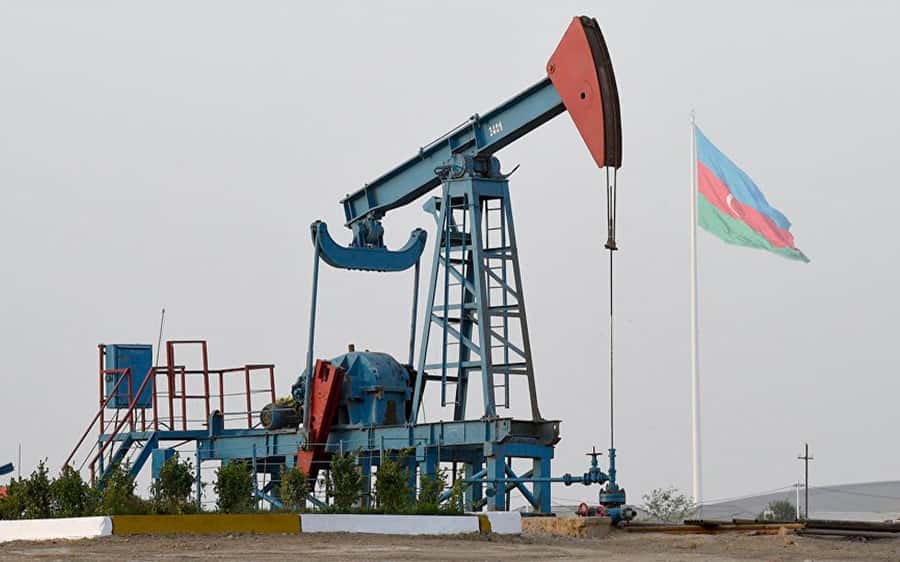
The open-air first oil well site explains why Baku became so important to the modern world. Azerbaijan’s oil industry transformed the city and helped fuel industrial growth far beyond the peninsula.
This stop is not as visually dramatic as a burning mountain or mud crater. Its value is context. Once you have seen natural gas flames and mud rising from the earth, the oil story feels less abstract. The ground beneath Absheron has long been economically and spiritually important.
Listen closely here if you want to understand Baku’s rapid growth. Oil brought money, workers, industrial development, and international attention. It also helps explain the city’s mix of old religious buildings, grand urban projects, and modern architecture.
The tour includes lunch after the morning sites. The meal is described as Azerbaijani national cuisine, with a full meal included if you choose that option. Several people found the food delicious, and one meal was served at a typical local restaurant at an affordable price. Portions may vary. One comment found the chicken portion small, so do not expect a lavish feast every time.
Ateshgah Fire Temple and the old fire-worship tradition
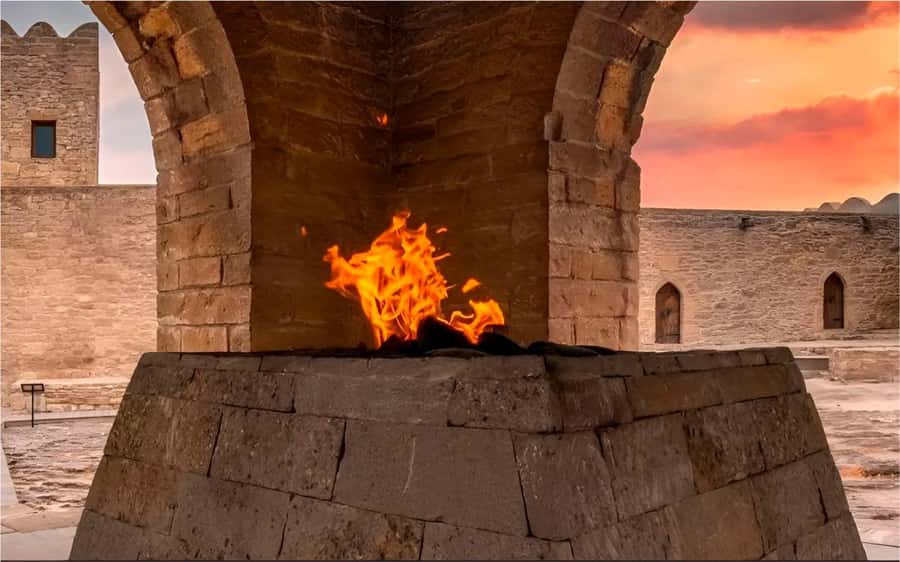
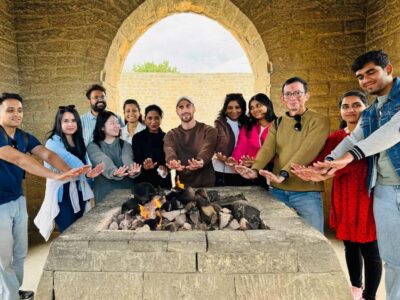
Ateshgah, often called the Fire Temple of Baku, is one of the day’s strongest cultural stops. The complex is associated with Zoroastrian fire worship and dates in its present form to the 17th century. Natural gas flames once burned here, drawing worshippers and visitors to a site where fire seemed to emerge from the earth.
The temple’s courtyard and stone cells create a strong sense of place. Your guide can explain how fire became sacred and why this peninsula attracted religious visitors. The story is especially interesting after the oil well stop because both traditions depend on the unusual substances beneath Absheron.
The fire at the site may not feel as wild as Yanardag’s open hillside flames. Ateshgah is best understood as a human response to the land, a built religious setting shaped around natural gas. Take time to notice the layout, stonework, and ritual purpose rather than expecting a large natural spectacle.
The Fire Temple and Burning Mountain are listed together with an optional combo ticket costing 15 AZN per person. Again, the ticket-inclusive booking option should cover this, but confirm before departure.
Yanardag, where the hillside burns
Yanardag is one of the easiest sights to remember. Flames rise directly from the hillside and burn continuously, fed by natural gas below the surface. The effect is simple and dramatic: fire on a slope, with no torch or visible fuel source.
This is the place where the peninsula’s old reputation becomes clear. For centuries, flames emerging from the ground would have seemed supernatural. Even with a geological explanation, the sight keeps its mythic edge.
Visit expectations matter here. Yanardag is a focused viewpoint, not a full-day nature site. You look at the burning slope, listen to the explanation, take photographs, and move on. Its power comes from the oddness of the phenomenon, not from a long walk or a large complex.
For photography, the flames can be more visible in lower light, but the exact appearance depends on conditions. The tour data does not promise a particular flame size, so consider it a natural gas fire rather than a guaranteed roaring wall of fire.
Heydar Aliyev Center and a sharp modern finish
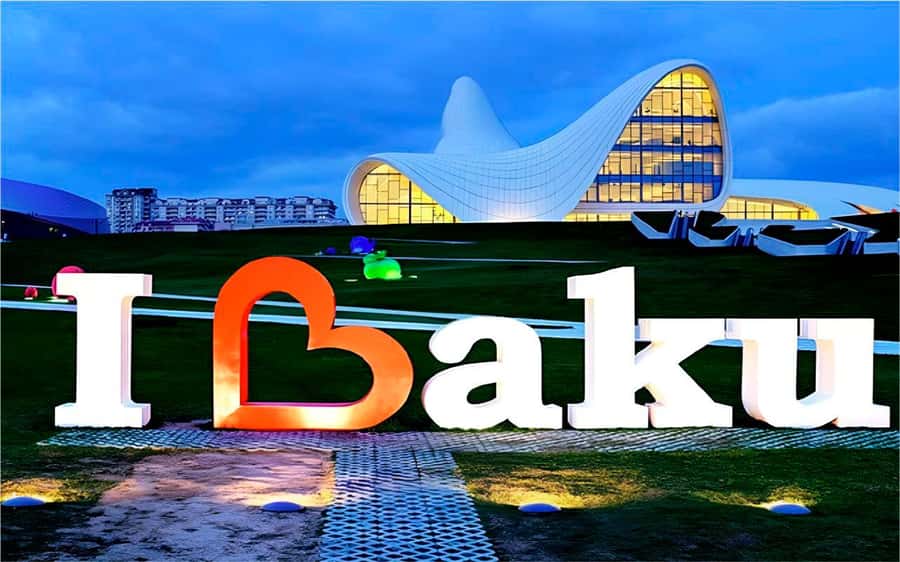
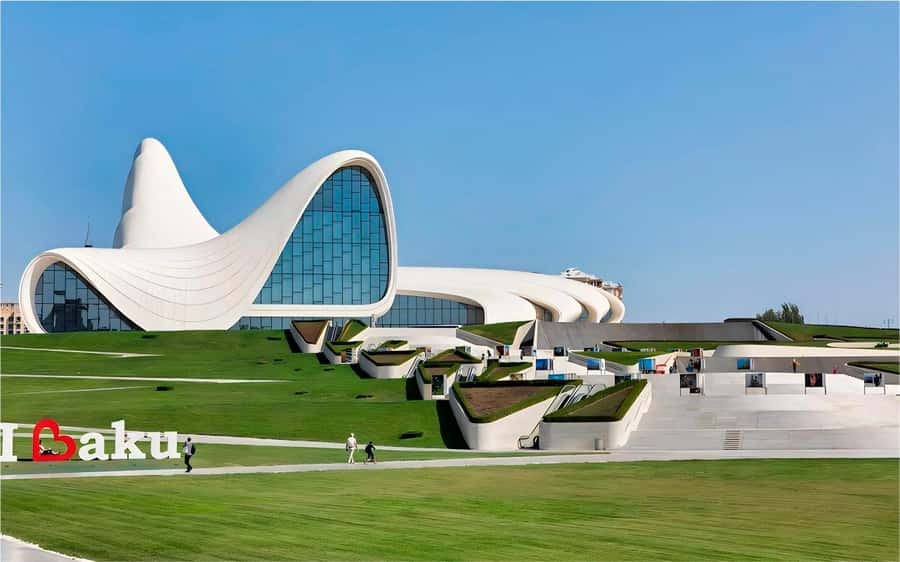
The final scheduled stop is a photo stop at the Heydar Aliyev Center. Designed by Zaha Hadid, the building is famous for its flowing white curves and futuristic form. After a day of caves, mud, mosques, wells, and flames, it feels like a deliberate jump into modern Baku.
I like this ending because it shows how far the city has moved from its ancient beginnings. The building is less about collections during this visit and more about exterior design and photographs, including the well-known I LOVE BAKU sign.
Do not assume the standard stop includes entry to the center itself. The information lists a Heydar Aliyev Center entry ticket only if that option is selected. The regular itinerary describes this as a photo stop, so check the package if you want to go inside.
Guides, lunch, and the human side of the tour
The strongest feature across the feedback is the guiding. Murad is praised for humor, patience, clear English, and explanations covering history, geology, and local culture. Gani receives similar praise for his enthusiasm, helpfulness, and ability to keep the group together. Adil is described as attentive and well informed, while Serví is singled out for sharing a broad understanding of Azerbaijan.
That matters on a long day with many unrelated stops. A guide who explains the road, answers questions, manages timing, and watches the group can turn a checklist into a connected story. Murad’s habit of giving background about places passed on the way is particularly useful because it makes the driving sections feel purposeful.
The tour is also social. It is organized for a group, so you meet other people and share the vehicle, lunch, and stops. That usually keeps the price low, but it means you will not control every pause or spend as long as you wish at each site.
The practical advice is simple: bring water, sunscreen, and a hat. Heat can be tiring, especially around exposed rock and the volcanoes. Comfortable shoes will help at Gobustan, and clothing suitable for a mosque is wise.
Is the $6 price good value?
At $6 per person, the advertised price looks extraordinarily low for hotel pickup, transport, a guide, lunch, and this many stops. In practice, you need to read the selected package carefully because the experience has several optional or separate charges.
The listed admission prices are:
- Gobustan rock carvings: 10 AZN, optional
- Mud volcano off-road vehicle: 30 AZN, listed as mandatory
- Fire Temple and Yanardag combo: 15 AZN, optional
Lunch, entry tickets, airport transfer, and Heydar Aliyev Center admission can also depend on the option selected. The entry-tickets-included version is the clearest choice if you want predictable costs, but confirm whether the 30 AZN mud volcano ride is included in that specific package.
Even after adding fees, the value can be strong because the sites are spread across the peninsula and require transport. You also receive a guide who can connect the archaeology, geology, religion, oil, and architecture. The main question is not simply the ticket price. It is how much you value convenience and a broad introduction compared with arranging each stop yourself.
Free cancellation up to 24 hours before the tour and reserve-now, pay-later booking add flexibility. Alcohol and drugs are not allowed.
Who should book this tour?
I would recommend it if you have one day in Baku and want to see the major sights beyond the city center. It suits first-time visitors, people interested in unusual geology, and anyone who wants both ancient and modern Azerbaijan in one outing.
It is also a good choice if you prefer a guide to handle the long transfers and explain the sites. The repeated praise for Murad and Gani suggests that the guide assignment can shape the day, though you cannot guarantee a particular guide unless the operator confirms it.
I would hesitate if you dislike group schedules, bumpy rides, or short stops. The mud volcano visit may feel rushed, and the itinerary has too many major subjects to explore each one at length. A specialist Gobustan visit would suit an archaeology enthusiast better, while a city tour would give more time to Baku itself.
Final verdict: book it if you want range
This is a high-value introduction to the Absheron Peninsula, provided you understand the ticket options and accept the busy pace. Gobustan, the mud volcanoes, Ateshgah, Yanardag, the first oil well, Bibi-Heybat, and the Heydar Aliyev Center form an unusually varied day.
I would book it for a first visit, especially with only one open day. Choose the entry-included and lunch-included options if you want fewer decisions on the road, then confirm the off-road fee before departure. Pack water, sunscreen, a hat, and curiosity. The scenery is strange, the stories are memorable, and a good guide such as Murad or Gani can make the long day feel much more connected.
FAQ
Where does the tour take place?
The tour begins with pickup in Baku and visits sites across the Absheron Peninsula, including Gobustan, the mud volcanoes, Bibi-Heybat Mosque, the first oil wells, Ateshgah, Yanardag, and the Heydar Aliyev Center.
Is hotel pickup included?
Yes. Hotel pickup and drop-off are included.
What languages are available?
The tour is offered in English, Russian, and Turkish.
Are entry tickets included?
Entry tickets are included only if you select the entry-tickets-included option. Otherwise, some admission fees are separate.
How much is the Gobustan admission fee?
The listed optional fee for the Gobustan rock carving area is 10 AZN per person.
Is the mud volcano vehicle fee required?
The mud volcano off-road vehicle fee is listed as 30 AZN per person and described as mandatory. Confirm whether it is already included in your selected package.
How much is the Fire Temple and Yanardag ticket?
The listed optional combo ticket for the Fire Temple and Yanardag is 15 AZN per person.
Is lunch included?
Lunch is included if you select the lunch-included option. The meal is described as a full meal featuring Azerbaijani national cuisine.
Can I visit the Heydar Aliyev Center inside?
The standard itinerary describes the Heydar Aliyev Center as a photo stop. Interior admission is included only if you select the Heydar Aliyev Center entry-ticket option.
Recently added around Baku
- Heartbeat of Baku: Old & Modern City Walk (Group or Private)★ 5.0 · 3 reviews
- Full Day Guided Tour of Shamakhi and Gabala★ 5.0 · 3 reviews
- Baku: Secret Tour with Surprise Activity★ 5.0 · 3 reviews
- From Baku: Shahdag Mountain Resort Day Trip★ 5.0 · 3 reviews
- Guba and Khinaligh Private Tour★ 5.0 · 3 reviews
- Guba and Shahdag Tour with Guide★ 5.0 · 3 reviews
- Lahij – village of masters★ 4.5 · 3 reviews
- Gobustan & Mud Volcano★ 4.5 · 3 reviews
Gobustan & Mud Volcano Tours, compared.
Gobustan, Mud Volcano, Fire Mount, Temple Lunch Entry
Read our review →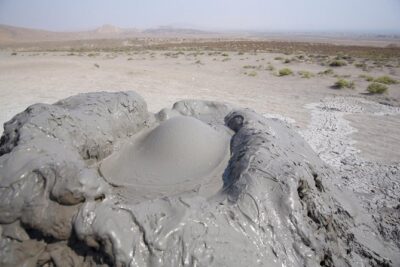
BEST Gobustan, Volcanoes & Absheron Fire Tour (Group or Private)
Read our review →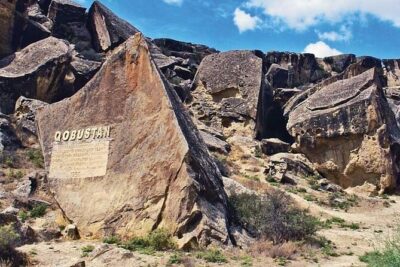
Gobustan, Volcanoes, Fire Temple and Yanardag Day Trip
Read our review →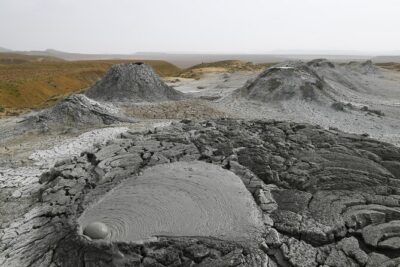
Gobustan-Mud Volcan-Fire Temple and Mountain Tour/Entrance inc
Read our review →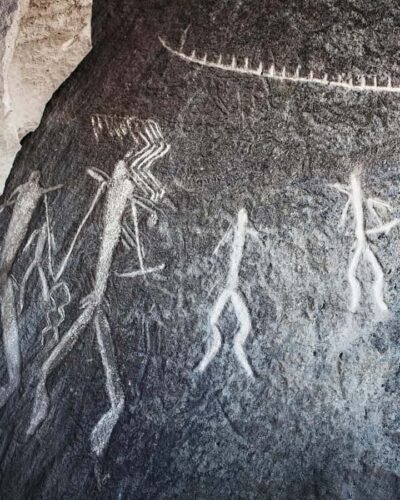
Gobustan Mud Volcanoes Temple & Entry tickets included
Read our review →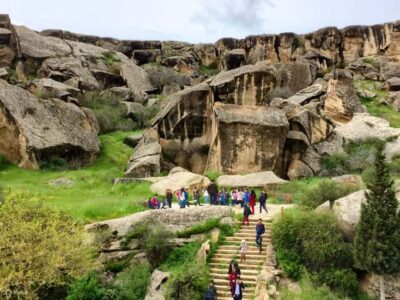
Gobustan-Absheron Tour with Hotel PICK UP and DROP OFF
Read our review →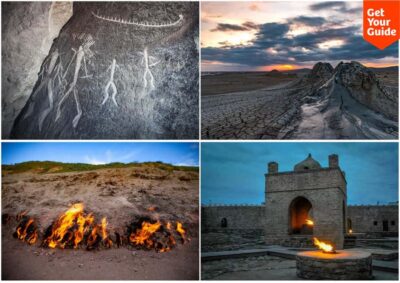
Gobustan/Absheron guided tour with lunch and tickets
Read our review →Browse the lists this tour appears in