Reviewed · BAKU TOURS
Baku’s Ancient Heart
Old stones tell surprising stories. Baku’s Ancient Heart offers a useful walk through Icherisheher, Baku’s UNESCO-listed Old City, with stops at the Maiden Tower, Shirvanshahs’ Palace, mosques, caravanserais, and local craft shops. I like the strong mix of major sights and smaller historic corners. I also like that Heydar is described as friendly, well informed, and excellent with guests. The main consideration is physical: cobbled lanes, stairs, and the Maiden Tower’s spiral staircase make this a poor fit for anyone over 70 or anyone who struggles with uneven ground.
At $25 per person, this is a good-value way to get your bearings in central Baku. You are not only checking off famous monuments. You are also seeing old bathhouses, medieval trade buildings, an art gallery, a miniature book museum, and places connected with Azerbaijani music and daily life.
In This Review
- Key points to know before you book
- Entering Icherisheher through Baku’s double gates
- Maiden Tower and the best early views
- The Shirvanshahs’ Palace and royal Baku
- Mosques, bathhouses, and traces of earlier lives
- Caravanserais Multani and Bukhara
- From the khans’ residence to Ismailliya House
- Art, miniature books, and Azerbaijani music
- Azerbaijani tea and the feel of a living district
- What $25 gets you in practical terms
- Who will enjoy this Old City walk
- Should you book Baku’s Ancient Heart?
- FAQ
- Where does Baku’s Ancient Heart start?
- What language is the tour offered in?
- What should I bring?
- Is the Maiden Tower included?
- Is the tour suitable for people over 70?
- Can I cancel for a full refund?
Key points to know before you book

- Maiden Tower views: Climb the spiral staircase for views toward Baku, the Caspian Sea, and the surrounding city.
- A full Old City route: The walk includes major monuments, city gates, mosques, caravanserais, museums, and lesser-known historic sites.
- A guide named Heydar: The strongest personal praise focuses on Heydar’s friendly manner and strong command of the subject.
- Silk Road connections: The Multani and Bukhara caravanserais show how merchants once used Baku as a trading stop.
- Local culture, not only ruins: The route includes artisans’ shops, Azerbaijani tea, a mugam venue, and an art gallery.
- Simple practical planning: Comfortable shoes are essential, and you can cancel up to 24 hours before the tour for a full refund.
Entering Icherisheher through Baku’s double gates
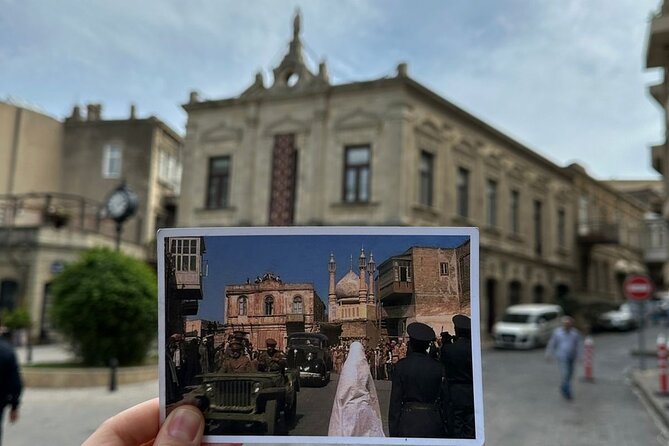
Your walk begins at the Double Gates, the main entrance to Icherisheher. These walls and gates give the Old City a clear sense of separation from modern Baku. Outside, the capital feels broad and contemporary. Inside, the route narrows into stone lanes and compact courtyards.
I like starting here because it gives the tour a natural beginning. You can see how the old settlement was protected, then follow the streets inward toward homes, mosques, palaces, and trading buildings. Your meeting point may vary according to the option you book, so check the exact starting place before setting out.
The Old City is best understood on foot. Cars and wide roads do not define this part of Baku. Instead, you move through winding alleys where a guide can point out details that are easy to miss when you explore alone.
The walking surface matters. The streets are cobbled and historic, not smooth modern pavements. Wear shoes with good support, and expect some stairs during the route. The tour is listed as unsuitable for people over 70, which is a useful warning rather than a minor footnote.
A few more ways to spend a day out of Baku
- Baku: Gobustan, Mud Volcano, Fire Mount, Temple Lunch Entry
★ 4.9 · 3,246 reviews - Baku: Guba, Shahdag, Laza & Lunch w/ Free City & Night Tour
★ 4.8 · 1,455 reviews - BEST Gobustan, Volcanoes & Absheron Fire Tour (Group or Private)
★ 5.0 · 1,254 reviews
Maiden Tower and the best early views
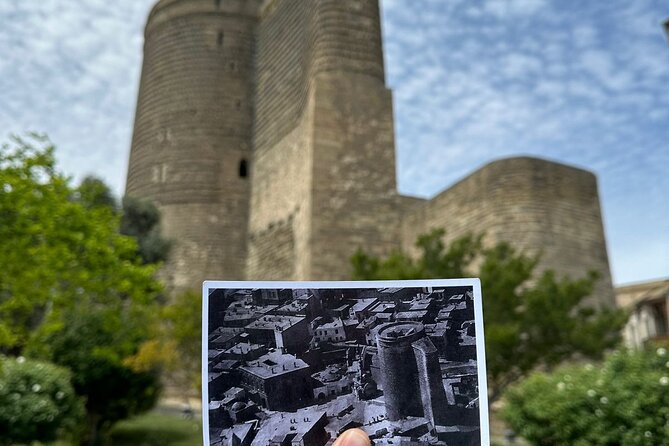
The Maiden Tower is the first major landmark. Built in the 12th century, it is one of Baku’s most recognizable structures, though its original purpose remains mysterious. That uncertainty gives the building extra appeal. You are looking at a monument with a long past and questions that have not been neatly settled.
Inside, you climb a spiral staircase. At the top, views open across Baku, the Caspian Sea, and the city around the Old Town. I would treat this as one of the physical highlights of the walk, but also one of the points where comfort matters most. The staircase may feel tight or tiring, so take your time rather than racing upward.
The tower is more rewarding when you understand its place in the city. From above, you can see how the old defensive quarter sits beside the newer capital. The view helps connect the Old City’s compact medieval form with Baku’s later growth.
If you prefer not to climb, you can still appreciate the tower from the surrounding lanes. The tour description does not state whether an alternative viewing arrangement is available, so ask your guide at the start if stairs are a concern.
The Shirvanshahs’ Palace and royal Baku
The route continues to the Palace of the Shirvanshahs, the grandest historical complex on the walk. This was once the home of the Shirvanshah dynasty, and its courtyards, stone carving, and Islamic and Persian design give you a clearer picture of Baku’s royal past.
I like this stop because it adds scale after the narrow streets and compact tower. The palace is not just a single room or façade. It is a group of spaces that help you understand how a ruling family lived, governed, and presented its authority.
Inside, the museum displays artifacts linked with the city’s past. The value here comes from the combination of architecture and objects. Stonework shows how the complex was built, while museum pieces help fill in the human story.
Give yourself time to look up and around. Courtyards can be easy to hurry through, especially when you are focused on the next stop. Your guide can explain the details, but you will get more from the palace if you pause for the shape of the rooms, the carved surfaces, and the way the buildings relate to one another.
Mosques, bathhouses, and traces of earlier lives
Several smaller stops make this tour more than a march between Baku’s two famous monuments. The Juma Mosque is described as the largest mosque in the Old City and one of Azerbaijan’s oldest. It gives the route a living religious dimension, rather than presenting Icherisheher as a silent museum.
The Hadji Bani underground hammam, a 15th-century bathhouse, offers another view of ordinary urban life. A bathhouse was a social and practical place, not simply an architectural curiosity. Its underground setting also shows how much of the old settlement is layered below street level.
You will also see the remnants of the Saint Bartholomew chapel. This is a smaller, fragmentary site, but remains can be as revealing as complete monuments. They show that the Old City’s story includes different religious communities and changing periods of use.
The Open Sky Museum adds another stop to the route, though specific exhibits are not detailed. I would let your guide set expectations here. It may be most useful as part of the wider Old City story rather than as a stand-alone museum visit.
A completely different sort of day out of Baku:
- Gobustan and Absheron tour (All inclusive)
★ 5.0 · 1,014 reviews - Shamakhi And Gabala Tour (All inclusive)
★ 5.0 · 815 reviews - From Baku: Gabala and Shamakhi Tour (Free Baku City Tour)
★ 4.8 · 695 reviews - Baku: Candy Cane, Guba, Khinaliq village with Homemade Lunch
★ 4.9 · 519 reviews
Caravanserais Multani and Bukhara
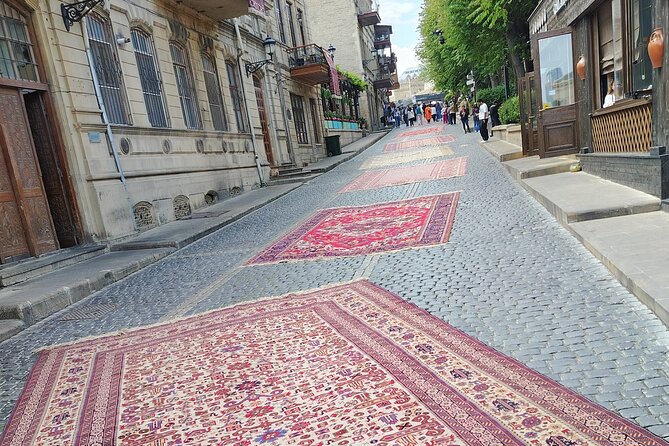
The Multani and Bukhara caravanserais connect Baku with long-distance trade. These buildings once offered resting places for merchants moving along Silk Road routes. Their presence helps explain why Baku developed as more than a fortified settlement.
I find caravanserais especially useful for understanding the city’s commercial past. Palaces tell you about rulers. Caravanserais tell you about movement, goods, travelers, and the practical business that kept old cities alive.
The buildings also help you read the street plan. A caravanserai was designed around shared space and short-term lodging, so you can look for the contrast between public trading areas and the more private parts of the Old City.
The tour does not provide a set meal or shopping allowance, but the route includes local artisans’ shops. You may see traditional crafts such as carpet weaving and copper engraving. These visits can be worthwhile when treated as cultural stops, not simply buying opportunities. If you are interested in purchasing something, ask about prices and materials before making a decision.
From the khans’ residence to Ismailliya House
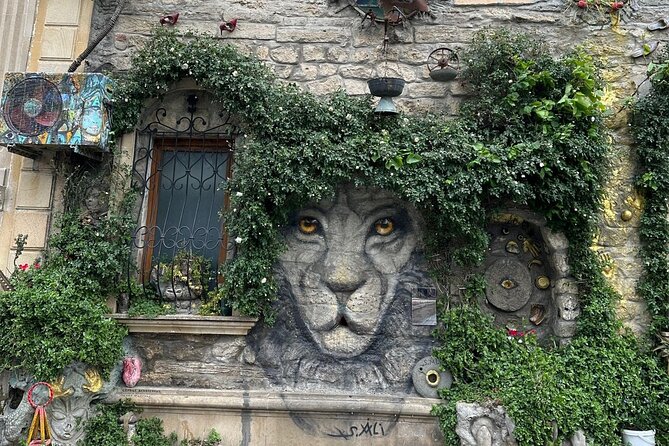
The walk includes the Residence of the Bakuvian khans, another reminder that the Old City was a place of domestic life as well as royal ceremony. This stop should help you compare the formal world of the Shirvanshahs’ Palace with the homes and quarters connected to local rulers.
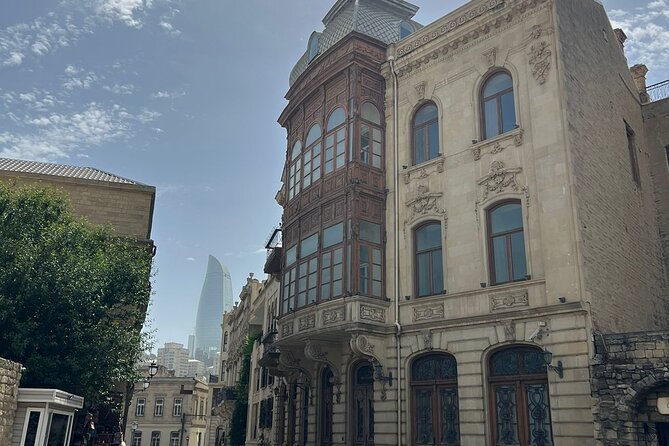
You will also see Ismailliya House, now associated with the Presidium of the Azerbaijan Academy of Sciences. It adds a later architectural layer to the walk. Not every important building in Baku belongs to the medieval period, and this stop helps broaden the story beyond the oldest walls.
The Encyclopedia House is included as well. Specific details about its interior or exhibits are not provided, so I would consider it a guide-led exterior or contextual stop unless your guide confirms otherwise.
This part of the route is useful for visitors who want more than the standard Maiden Tower and palace circuit. It shows how the Old City continued to function and change across different periods.
Art, miniature books, and Azerbaijani music
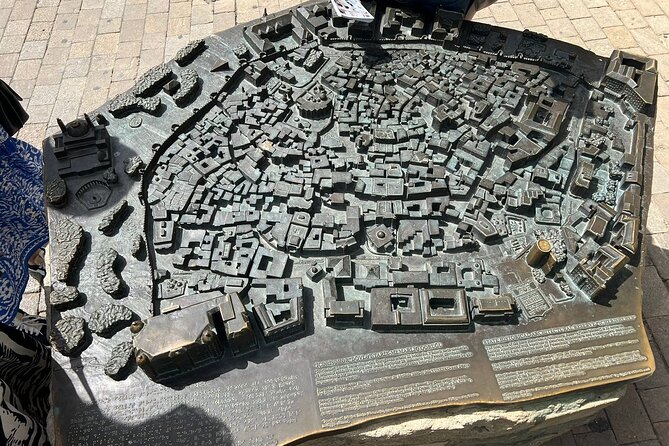
The Ali Shamsi Art Gallery gives the walk a modern artistic note. After stone walls, palace courtyards, and old religious buildings, a gallery helps you see that Icherisheher is still part of Baku’s cultural life.
Another unusual stop is the Miniature Book Museum, included in the Guinness Book since 2014. The subject is small by definition, but that is exactly what makes it memorable. Tiny books reward close attention and provide a welcome change of pace from large monuments.
You will also see the bust of Aliaga Vahid, an Azerbaijani poet known for his connection with traditional poetic forms. The stop adds a literary layer to the route and reminds you that cultural identity is carried through words as well as buildings.
The Mugam Club restaurant and museum connects the Old City with mugam, a major Azerbaijani musical tradition. The information provided does not say that a performance or meal is included, so do not book this walk expecting either. Its value is as a cultural stop and a chance to understand the place of music in Azerbaijan.
Azerbaijani tea and the feel of a living district
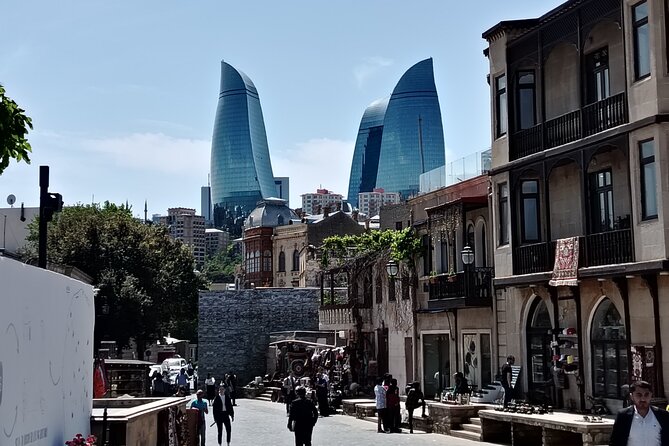
A cup of Azerbaijani tea in a traditional glass is one of the simplest details on the route, but it may be one of the most pleasant. Tea gives you a pause from sightseeing and a chance to take in the atmosphere rather than constantly moving to the next monument.
I like this kind of stop because it makes the district feel inhabited. The Old City is not only a collection of preserved walls. It includes shops, galleries, restaurants, religious buildings, and spaces where local traditions remain visible.
The tea experience should not be treated as a major meal break. It is better understood as a small cultural moment during the walk. If you want a full meal, the tour information does not say that one is included.
What $25 gets you in practical terms
At $25, the tour offers strong value if you want one guided introduction to Baku’s historic center. You receive access to a route that links the Maiden Tower, Shirvanshahs’ Palace, Juma Mosque, city walls, caravanserais, museums, galleries, and cultural venues.
The price is particularly reasonable for visitors who would otherwise spend their first hours trying to locate these places and understand their connections. A guide can turn separate buildings into a readable story.
Still, the value depends on your expectations. The available information does not state the tour’s duration, group size, transport arrangements, or whether entrance fees to every site are included. You should confirm those points when booking, especially if you need a precise schedule or want a private walk.
The tour is offered in English and Russian. That makes it suitable for visitors who are comfortable in either language. You should also confirm the meeting point because it can change depending on the option selected.
Who will enjoy this Old City walk
I would recommend this experience to first-time visitors who want a clear introduction to Baku’s past without arranging several separate museum visits. It also suits you if you prefer walking, architecture, local stories, and a broad mix of sights.
History fans will appreciate the range. You move from medieval defenses and royal buildings to religious sites, trade architecture, literature, music, and modern art.
The walk is less suitable if you want a slow, highly specialized palace tour. It covers many locations, so some stops may receive only a brief explanation. It is also not the right choice if uneven streets or staircases are difficult for you.
The perfect rating from three published ratings is encouraging, and the specific praise for Heydar matters. A friendly guide who explains clearly can make a large difference on a walk through compact streets and layered history. His name is worth noting when you book or meet the group.
Should you book Baku’s Ancient Heart?
You should book this tour if you want to see the main sights of Icherisheher while also finding less obvious stops such as the underground hammam, miniature book museum, caravanserais, and Ali Shamsi Art Gallery. The $25 price is fair for that range, especially with a guide who has been praised for being friendly and well informed.
I would skip it if you need a fully accessible route, dislike cobblestones, or want confirmed details about duration and admission costs before paying. For most mobile visitors who want an efficient first look at Baku’s Old City, this is a practical choice with enough local detail to make the walk memorable.
You can reserve now and pay later, and cancellation is free up to 24 hours before the experience. That flexibility is useful when your Azerbaijan plans are still taking shape.
FAQ
Where does Baku’s Ancient Heart start?
The meeting point may vary depending on the option booked. The activity ends back at the meeting point.
What language is the tour offered in?
The tour is offered in English and Russian.
What should I bring?
Bring comfortable shoes. The experience takes place on foot through the Old City, where you will encounter cobbled streets and a spiral staircase at the Maiden Tower.
Is the Maiden Tower included?
Yes. The tour includes the Maiden Tower, including its spiral staircase and views toward Baku, the Caspian Sea, and the surrounding city.
Is the tour suitable for people over 70?
No. The experience is listed as not suitable for people over 70 years.
Can I cancel for a full refund?
Yes. You can cancel up to 24 hours in advance for a full refund.
Recently added around Baku
- Heartbeat of Baku: Old & Modern City Walk (Group or Private)★ 5.0 · 3 reviews
- Baku: Secret Tour with Surprise Activity★ 5.0 · 3 reviews
- From Baku: Shahdag Mountain Resort Day Trip★ 5.0 · 3 reviews
- Full Day Guided Tour of Shamakhi and Gabala★ 5.0 · 3 reviews
- Guba and Khinaligh Private Tour★ 5.0 · 3 reviews
- Guba and Shahdag Tour with Guide★ 5.0 · 3 reviews
- Lahij – village of masters★ 4.5 · 3 reviews
- Gobustan & Mud Volcano★ 4.5 · 3 reviews
Baku Tours, compared.
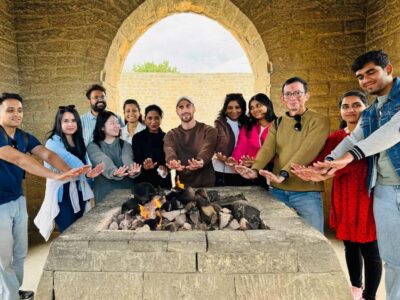
Gobustan, Mud Volcano, Fire Mount, Temple Lunch Entry
Read our review →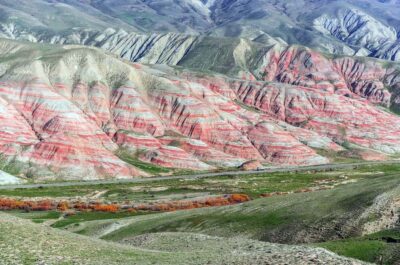
Guba, Shahdag, Laza & Lunch w/ Free City & Night Tour
Read our review →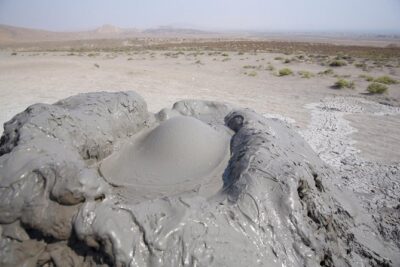
BEST Gobustan, Volcanoes & Absheron Fire Tour (Group or Private)
Read our review →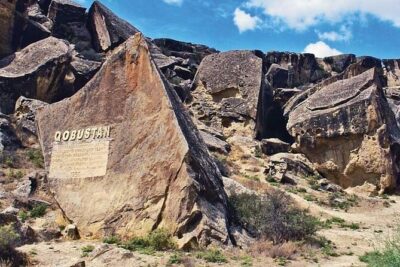
Candy Cane, Guba, Khinaliq village with Homemade Lunch
Read our review →