
Reviewed · GOBUSTAN & MUD VOLCANO TOURS
Baku: Gobustan, Mud Volcanoes, Fire Temple, & Yanar Dag Tour
Ancient carvings meet flames and bubbling mud. This day trip packs several of Azerbaijan’s most unusual sights into one outing from Baku. I like the mix of Gobustan’s prehistoric rock art and the strange mud volcanoes, two places that feel far removed from ordinary city sightseeing. I also like that the route adds Ateshgah Fire Temple and Yanar Dag, giving you nature, religion, and local history in one day.
The low base price is tempting, and transport plus a professional guide are included. But the $6 headline price does not cover the main admission costs, and the quality of the guiding can vary. Some guides, including Vahid, have earned especially warm praise, while one recent experience with Aqil was held back by weak explanations and rushed visits.
In This Review
- Key points at a glance
- Why this day trip works from Baku
- Gobustan’s stone record of early life
- The mud volcanoes and the extra cash charge
- A lunch break before the fire sites
- Ateshgah Fire Temple and the story of the eternal flame
- Yanar Dag, Azerbaijan’s burning hillside
- What the $6 price really gets you
- Guide quality can shape the whole day
- Who should book this route?
- Should you book the Gobustan and fire sites tour?
- FAQ
- How long does the tour take?
- Where does the tour start and finish?
- Which languages are available?
- Are entrance fees included?
- Is lunch included?
- What happens if it rains?
- Can I cancel or pay later?
Key points at a glance
- Gobustan’s carvings are up to 20,000 years old: Expect images of hunters, animals, ritual dancers, caravans, bulls, suns, and stars.
- The mud volcano stop costs extra: A mandatory 25 AZN cash charge covers the off-road vehicle, even if rain changes the visit to the Mud Volcanoes Complex.
- Ateshgah reflects several faiths: The castle-like complex was used by Hindu, Sikh, and Zoroastrian worshippers.
- Yanar Dag is a real natural gas fire: Flames rise from vents in porous sandstone on the Absheron Peninsula.
- The $6 fare is only the starting point: Admission and the mud volcano vehicle fee add a substantial amount.
- Guide quality matters here: Vahid has been praised for friendly, detailed explanations, while another guide received a serious complaint about limited English and rushed sightseeing.
Why this day trip works from Baku
Baku is the practical base for exploring the Absheron Peninsula and Gobustan. The sights are spread out, and arranging separate taxis or private rides for each one can be awkward. This tour puts the long-distance transport in one package, with pickup at Gosha Gala Gapysy in Baku and a return there at the end.
I like the route because the stops are not repetitive. Gobustan takes you into Azerbaijan’s prehistoric past. The mud volcanoes show off an odd bit of geology. Ateshgah explains the area’s religious links with Iran and India, while Yanar Dag turns the region’s underground gas into a dramatic natural display.
You should think of this as a full-day excursion, not an eight-minute activity. The stated duration of eight minutes is clearly inconsistent with the schedule, which includes several distant sites, a one-hour lunch break, and a return to Baku. Check the actual departure time before booking, but plan your day around a long outing.
The trip is conducted in English or Russian. Transport is by car, and the exact vehicle or group size is not specified. That makes the condition of the car worth noting. One person reported that a dirty exterior made it hard to see through the windows, a small issue that can matter on a scenic road day.
More Yanar Dag burning mountain trips:
- Baku: Gobustan, Mud Volcano, Fire Mount, Temple Lunch Entry
★ 4.9 · 3,246 reviews - Baku: Gobustan, Volcanoes, Fire Temple and Yanardag Day Trip
★ 4.7 · 433 reviews - Gobustan & Mud, Fire Temple, Burning Mountain (Group & Private)
★ 4.5 · 418 reviews
Gobustan’s stone record of early life
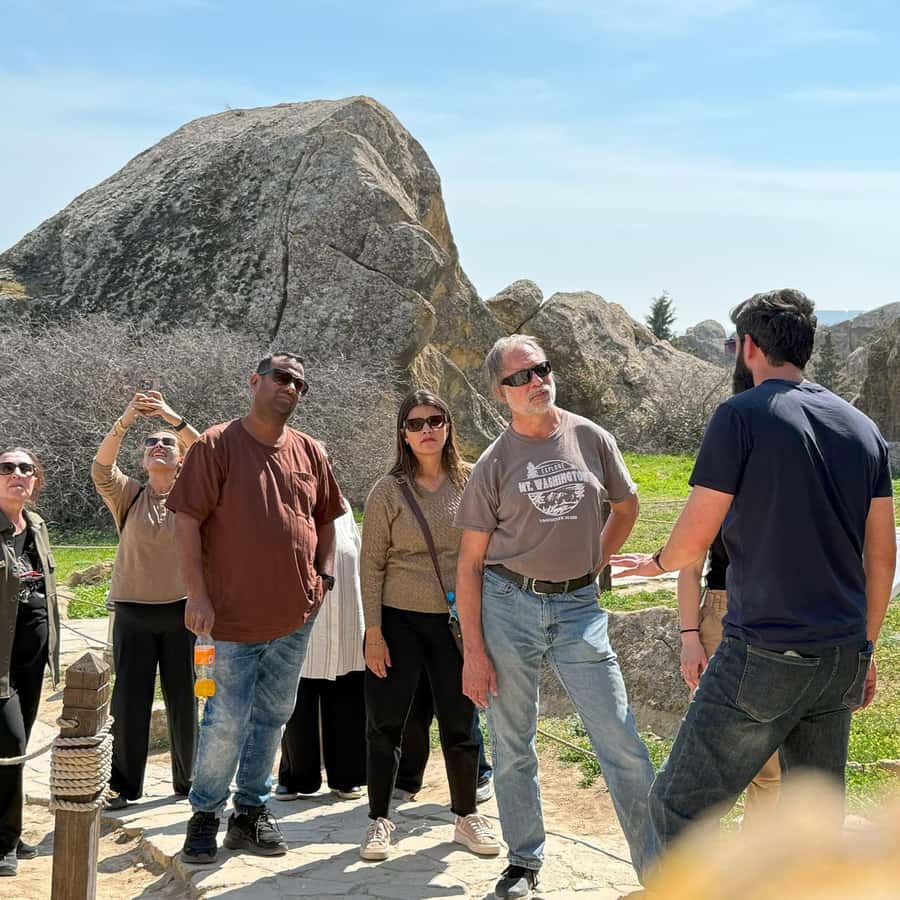
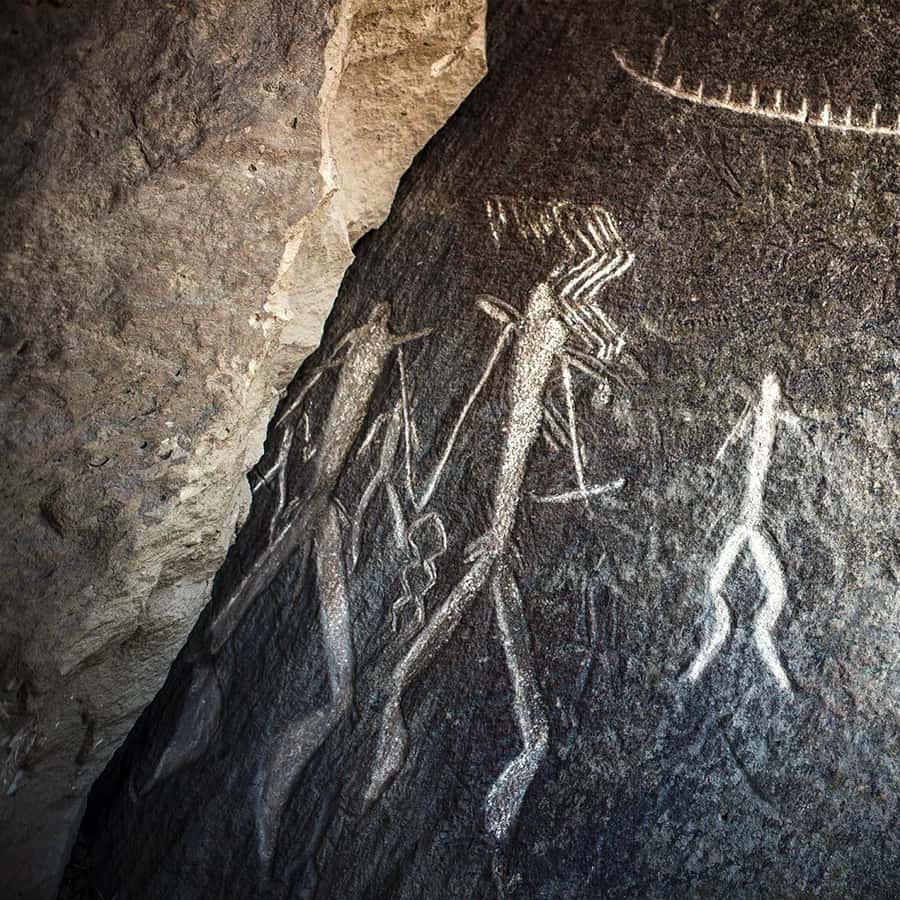
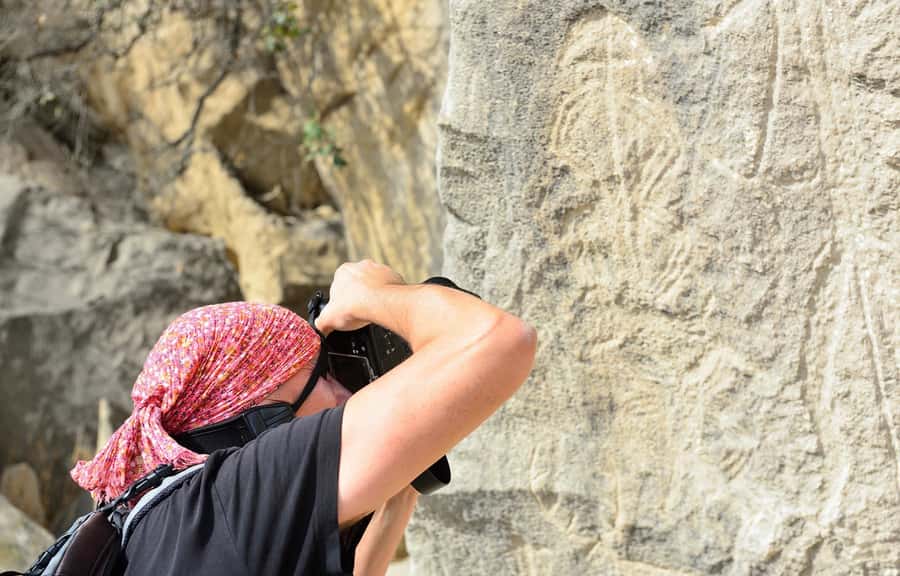
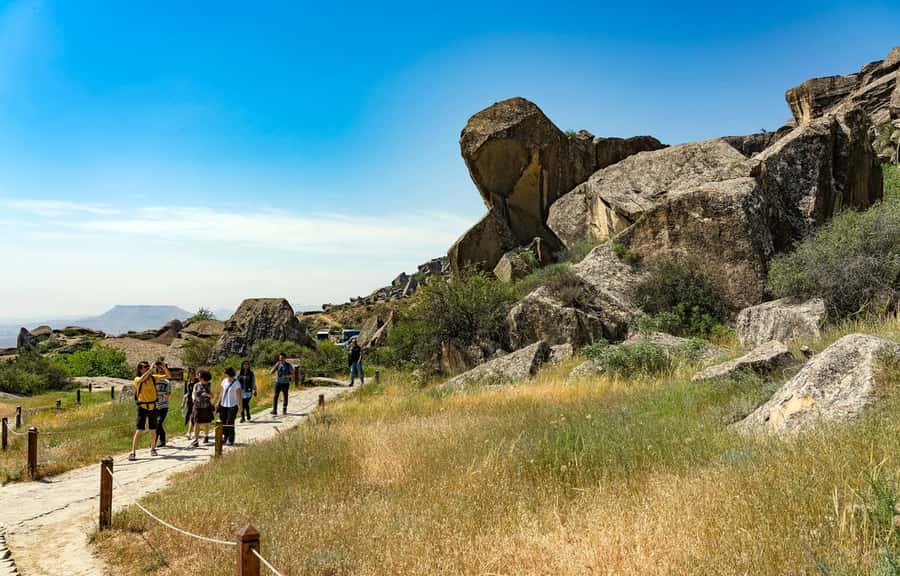
Gobustan Rock Art Cultural Landscape, a UNESCO World Heritage Site, is the first major stop. You get about an hour for guided sightseeing, which is enough to see the main area but may feel short if you want to study every carving closely.
The rock panels show much more than simple animal drawings. You can expect depictions of men with lances, ritual dances, bull fights, camel caravans, animals, and images linked with the sun and stars. These scenes offer clues about hunting, daily life, ceremony, and the way people understood the world thousands of years ago.
The dates given for the carvings range from 5,000 to 20,000 years ago. That broad span matters. You are not looking at one single moment in time, but at evidence of changing life across prehistoric and medieval periods.
I find Gobustan most rewarding when the guide explains what you are seeing instead of simply pointing at the rocks. The carvings can look abstract at first, especially under strong sunlight. A good explanation helps you notice the human figures, weapons, animals, and repeated symbols.
The admission charge is listed as 10 AZN and is not included in the basic fare. You can either pay it on-site or select the option that includes entrance fees. Bring comfortable shoes, water, a hat, and sunscreen. There is outdoor walking involved, and the supplied information does not suggest that this stop suits wheelchair users.
The mud volcanoes and the extra cash charge
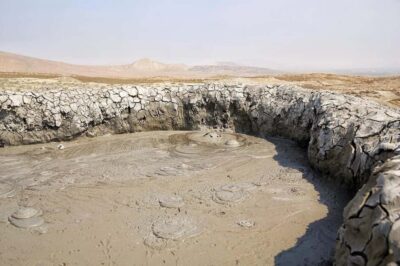
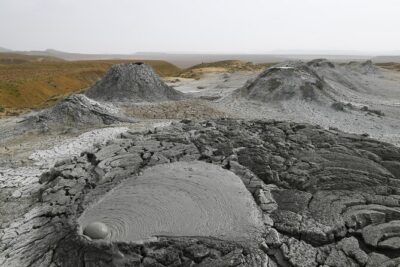
The mud volcanoes are one of the tour’s most unusual stops. Azerbaijan has about 350 of the world’s roughly 700 mud volcanoes, so this is not a minor local curiosity. These formations are linked with mud and gas rising from underground, creating a setting that looks more like a rough geological experiment than a conventional sightseeing stop.
The scheduled visit lasts about 20 minutes. That is enough for a look and some photographs, but not a long exploration. The route uses off-road cars, and the fee is 25 AZN in cash. This charge is mandatory and collected at the beginning of the tour to avoid delays.
That fee deserves attention when you compare prices. The base fare is just $6 per person, but the mud volcano vehicle cost alone is more than the tour price in local-currency terms. If you want the advertised route, carry cash specifically for this expense.
Rain can change the stop. In wet weather, the tour visits the Mud Volcanoes Complex instead, and the 25 AZN charge still applies. That policy may feel disappointing if you expected the open-air volcano setting, but it is stated clearly and is not a hidden add-on.
Wear shoes that can handle dust or mud, and do not count on this being a polished park visit. The appeal is the oddness of the terrain. You are coming to see a natural feature that is rough, exposed, and unlike anything around central Baku.
A lunch break before the fire sites
After Gobustan and the mud volcanoes, the itinerary returns to Baku for a one-hour lunch break. Lunch is not included, so you pay for your own meal. The schedule does not specify a restaurant or menu, which gives the stop a practical purpose rather than making it a featured cultural experience.
I would use this hour to eat, refill your water, and check that you have enough cash for the remaining entrance costs. The afternoon includes Ateshgah and Yanar Dag, and both are part of the combined entrance charge listed as 15 AZN.
The lunch break also breaks up a day that includes substantial time in the car. If you prefer tightly packed sightseeing with no pause, the hour may feel long. If you appreciate a proper rest during a full-day route, it is useful.
More Ateshgah fire temple trips:
- Gobustan-Mud Volcan-Fire Temple and Mountain Tour/Entrance inc
★ 5.0 · 267 reviews - Gobustan, Mud volcanoes, Fire temple, Fire mountain PRIVATE TOUR
★ 5.0 · 47 reviews - Gobustan & Mud, Fire Temple, Burning Mountain, H.A. Center
★ 4.6 · 46 reviews - Ateshgah Fire temple and Burning mountain tour
★ 4.5 · 42 reviews
Ateshgah Fire Temple and the story of the eternal flame
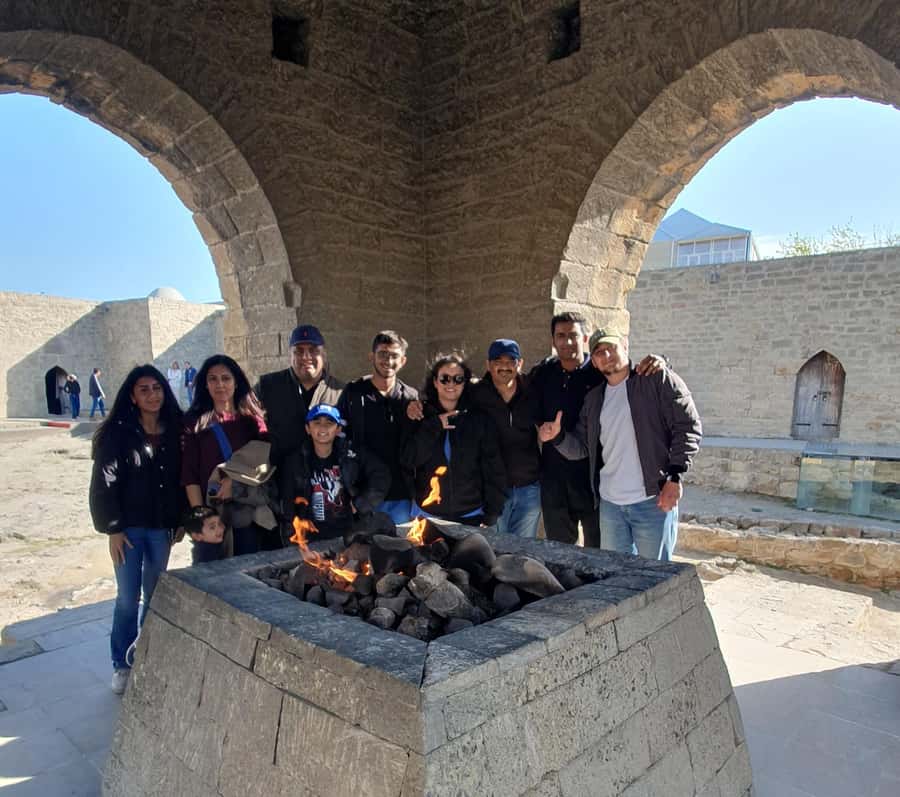
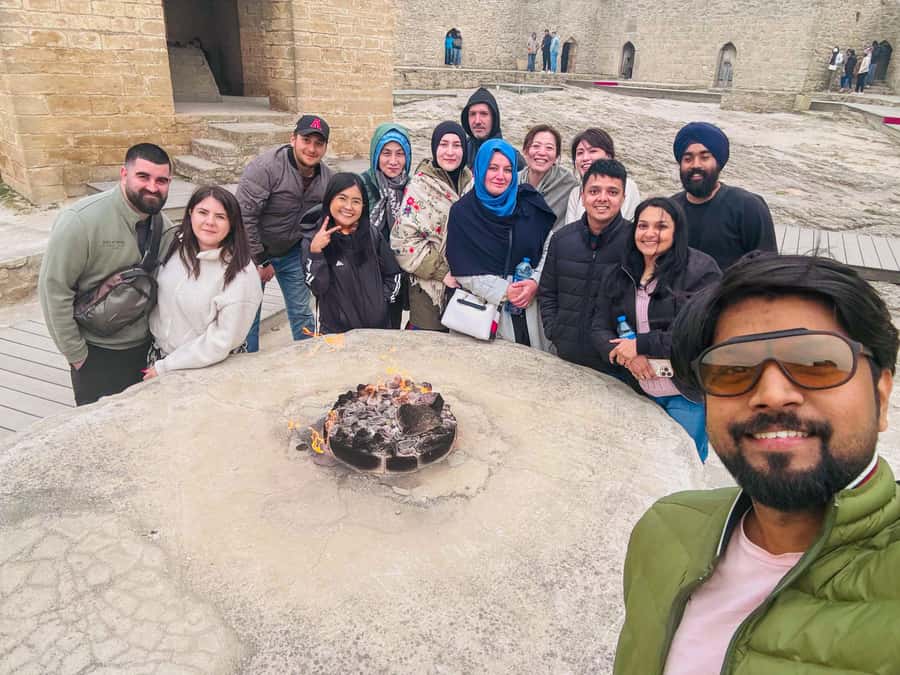
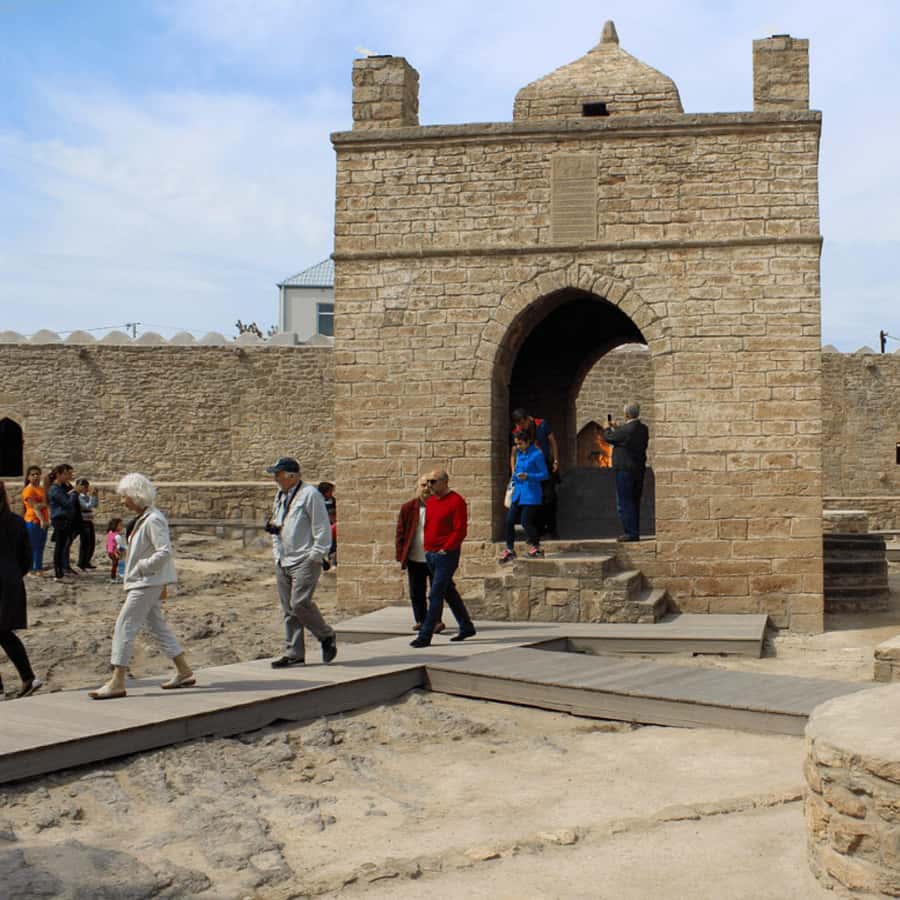
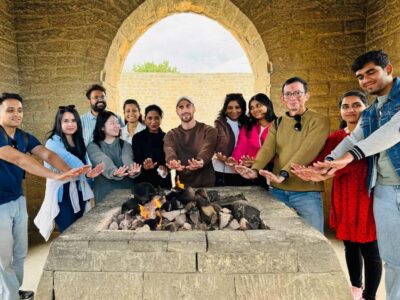
Ateshgah, often called the Fire Temple of Baku, is in Surakhany. You get about 45 minutes for a guided visit. The complex has a pentagonal, castle-like design, with a central courtyard, surrounding cells, and an altar in the middle.
Its story is more layered than the simple label Zoroastrian temple suggests. Based on Iranian and Indian inscriptions, Ateshgah served Hindu, Sikh, and Zoroastrian worshippers. The site was built during the 17th and 18th centuries and was abandoned late in the 19th century, probably as the Indian population in the area declined.
The original natural flame eventually went out in 1969 after generations of petroleum and gas use in the area. The fire you see today is supplied by gas piped from nearby Baku. That does not make the site meaningless, but it is an important detail. The modern flame continues an old tradition without being the untouched geological fire that many people imagine.
The temple is valuable because it links Azerbaijan with wider religious and trading networks. It shows that the Absheron Peninsula was not isolated. Indian worshippers and Iranian religious traditions both left their mark here.
A 15 AZN combined charge covers Ateshgah and Yanardag according to the supplied fee information. The basic tour price does not include it. The 45-minute visit should give you time to walk through the courtyard and hear the main background, though the depth of the experience will depend heavily on your guide.
Yanar Dag, Azerbaijan’s burning hillside
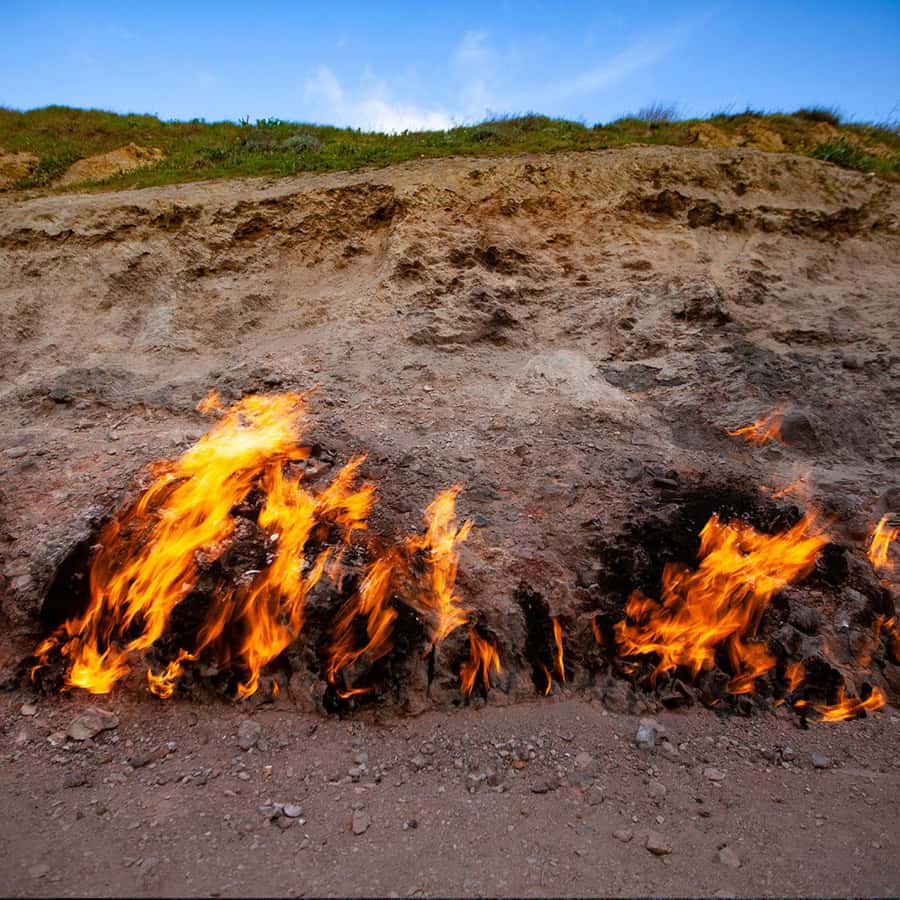
The final major stop is Yanar Dag, or Burning Mountain. The site is a natural gas fire on a hillside near Baku and the Caspian Sea. Flames rise from vents in a thin, porous sandstone layer, creating a line of fire that can burn continuously.
The supplied description gives two flame measurements, about three meters in one passage and up to 10 meters at the base of a 10-meter-wide scarp in another. Conditions and viewing points may account for the difference, so do not arrive expecting one fixed height. The main point is that the fire emerges from the ground rather than from a ceremonial burner.
You have about 20 minutes here. That is generally enough to see the flames, take photographs, and listen to an explanation. The area around the fire smells of gas, which is part of the experience. This is not a quiet mountain viewpoint. It is a raw, slightly eerie display of the fuel beneath the peninsula.
Yanar Dag may be the most immediately memorable stop on the route. A fire burning from a bare hillside has a simple visual force, especially after you have learned about Ateshgah’s sacred flames. The two sites also work well together: one is a religious complex shaped by human use, and the other is an exposed natural gas fire.
What the $6 price really gets you
At $6 per person, the base fare is remarkably low. It covers transport by car and a professional tour guiding service, which makes the tour attractive if you want a budget way to reach sites outside Baku.
But you should not treat $6 as the final cost. The listed extra charges are:
- Gobustan Rock Art: 10 AZN
- Off-road car for the mud volcanoes: 25 AZN in cash
- Ateshgah and Yanardag: 15 AZN
That adds up to 50 AZN in stated entrance and vehicle fees. Lunch and personal expenses are also separate. If you want a simpler payment experience, choose the entrance-fees-included option. That option also comes with a complimentary Baku Old City Tour, according to the supplied details.
The value is still strong if the route runs well. You get transport to four distinct attractions and a guide for less than the cost of arranging several separate rides. The risk is that a low-cost tour can feel less polished if the car is not clean or if the guide does not give the sites enough attention.
Guide quality can shape the whole day
The strongest praise centers on the guiding. Vahid is singled out for being excellent, helpful, friendly, and generous with historical details. That is exactly what this route needs. Gobustan’s carvings, Ateshgah’s mixed religious use, and the difference between natural and piped gas fires are much more interesting with clear context.
The guide is not just a driver here. Several stops are short, so you need someone who can explain the key points efficiently. A guide who gives only a sentence or two can leave you feeling that you could have read the same information online.
One serious complaint concerned Aqil. The account described limited English, thin explanations, rushed visits, extra stops at a mosque and an oil extraction site, and pressure to leave a positive rating. Those extra stops were not part of the stated route and extended the day by about an hour. That is useful warning: ask at the start whether the day will follow the planned schedule, especially if you have evening plans.
The overall rating is 4.8 from 36 ratings, which points to a generally positive experience, but the individual guide matters. If you can request or confirm Vahid, that may improve your chances of getting the history-focused day this itinerary promises. Do not assume every departure will feel identical.
Who should book this route?
I would recommend this tour if you have limited time in Baku and want a broad introduction to the area beyond the city center. It suits you if you like archaeology, unusual geology, religious history, and short visits to several different places.
It is also a good match for budget-conscious visitors who do not want to arrange transport independently. The route is especially useful for first-time visitors who want to understand why Azerbaijan is associated with fire, oil, and underground gas.
You may want a different arrangement if you prefer slow museum visits, long photo stops, or highly polished service. The timetable gives Gobustan one hour, the mud volcanoes 20 minutes, and Yanar Dag 20 minutes. That is enough for an overview, not a leisurely study.
This is not suitable for wheelchair users or people over 95, according to the activity information. Bring a camera, comfortable shoes, hat, sunscreen, water, cash, and a credit card. Pets, smoking, alcohol, drugs, feeding animals, electric wheelchairs, and explosive substances are not allowed. Alcoholic drinks are also prohibited in the vehicle.
Free cancellation is available up to 24 hours before departure, and you can reserve now and pay later. Those terms help if your Baku schedule is still shifting.
Should you book the Gobustan and fire sites tour?
I would book it, but I would budget for the full 50 AZN in stated extra fees rather than focusing on the $6 starting price. The route gives you an efficient look at four of Azerbaijan’s most distinctive sights, and the combination of ancient carvings, bubbling mud, a fire temple, and a burning hillside is hard to duplicate on a standard city tour.
The main question is your guide. Vahid appears to be an excellent choice based on the strongest feedback, while the complaint about Aqil shows how sharply the experience can change. Confirm the guide and departure details if possible, and ask whether the planned stops will be followed without additions.
Book this tour for range, value, and unusual sights. Skip it only if you want a relaxed pace, guaranteed premium transport, or a deep visit at each location.
FAQ
How long does the tour take?
The schedule describes a full-day tour from Baku, with visits to Gobustan, the mud volcanoes, Ateshgah, and Yanar Dag, plus a one-hour lunch break. The stated duration of eight minutes appears inconsistent with the full itinerary, so check the actual start and return times before booking.
Where does the tour start and finish?
The tour starts at Gosha Gala Gapysy in Baku and returns to the same location.
Which languages are available?
Live guiding is available in English and Russian.
Are entrance fees included?
They are not included in the basic price. The listed fees are 10 AZN for Gobustan, 25 AZN in cash for the off-road mud volcano vehicle, and 15 AZN for Ateshgah and Yanardag. An entrance-fees-included option is available.
Is lunch included?
No. The itinerary includes a one-hour lunch break in Baku, but lunch is paid for separately.
What happens if it rains?
The tour visits the Mud Volcanoes Complex instead of the usual mud volcano site. The 25 AZN off-road vehicle fee still applies.
Can I cancel or pay later?
You can cancel up to 24 hours in advance for a full refund. A reserve-now, pay-later option is also available.
More Gobustan & Mud Volcano Tours
- BEST Gobustan, Volcanoes & Absheron Fire Tour (Group or Private)
★ 5.0 · 1,254 reviews - Gobustan and Absheron tour (All inclusive)
★ 5.0 · 1,014 reviews - Baku: Gobustan Absheron Tour Entry Tickets included
★ 4.9 · 329 reviews - Baku:Gobustan Mud Volcanoes Temple & Entry tickets included
★ 4.8 · 178 reviews
Recently added around Baku
- Heartbeat of Baku: Old & Modern City Walk (Group or Private)★ 5.0 · 3 reviews
- Baku: Secret Tour with Surprise Activity★ 5.0 · 3 reviews
- From Baku: Shahdag Mountain Resort Day Trip★ 5.0 · 3 reviews
- Full Day Guided Tour of Shamakhi and Gabala★ 5.0 · 3 reviews
- Guba and Khinaligh Private Tour★ 5.0 · 3 reviews
- Guba and Shahdag Tour with Guide★ 5.0 · 3 reviews
- Lahij – village of masters★ 4.5 · 3 reviews
- Gobustan & Mud Volcano★ 4.5 · 3 reviews
Gobustan & Mud Volcano Tours, compared.
Gobustan, Mud Volcano, Fire Mount, Temple Lunch Entry
Read our review →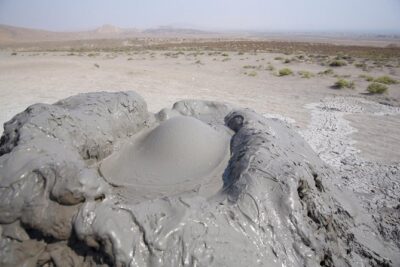
BEST Gobustan, Volcanoes & Absheron Fire Tour (Group or Private)
Read our review →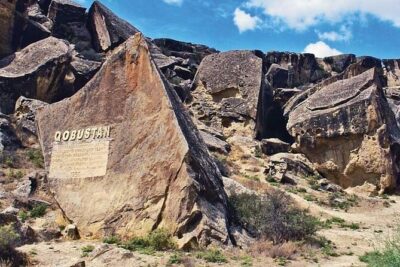
Gobustan, Volcanoes, Fire Temple and Yanardag Day Trip
Read our review →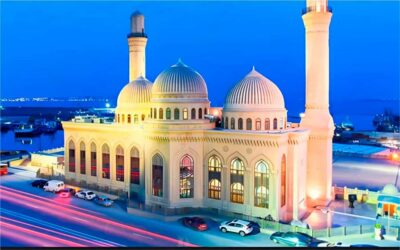
Gobustan-Mud Volcan-Fire Temple and Mountain Tour/Entrance inc
Read our review →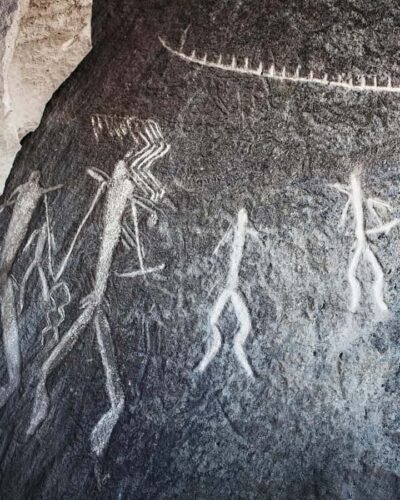
Gobustan Mud Volcanoes Temple & Entry tickets included
Read our review →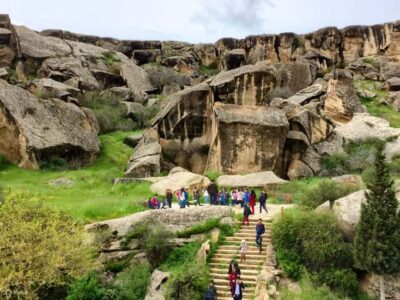
Gobustan-Absheron Tour with Hotel PICK UP and DROP OFF
Read our review →Browse the lists this tour appears in