
Reviewed · GOBUSTAN & MUD VOLCANO TOURS
Gobustan and Absheron trip (Group or Private)
Fire, stone, and mud make this a memorable day. This eight-hour excursion from Baku links Azerbaijan’s strangest natural sights with its oldest religious and cultural landmarks. I especially like the chance to see Gobustan’s 40,000-year-old carvings and the close-up visit to the mud volcanoes in a Soviet-era Lada 4×4. The main drawback is pace: with many stops packed into one day, you may wish for more time to take photos or explore each site.
I also like the small-group format, with a maximum of 17 people and sometimes far fewer. Guides such as Seb, Leyla, Ley, and Nazif have been praised for explaining everything from Zoroastrian worship to the daily life of Azerbaijanis. Just remember that the $30 price does not cover lunch, site admission, or all taxes and fees, so the final cost will be higher.
In This Review
- Key points to know before you book
- Why this full-day route works
- Gobustan’s 40,000-year-old carvings
- The rough road to Azerbaijan’s mud volcanoes
- A local lunch in the Absheron region
- Ateshgah, the Fire Temple of Baku
- Yanar Dag and the flame that never seems to quit
- Bibi-Heybat Mosque and a modern reconstruction
- How the guides shape the day
- Is the $30 price good value?
- Who should book this Baku day trip?
- Should you book it?
- FAQ
- How long does the Gobustan and Absheron tour last?
- Where does the tour start?
- Where does the tour end?
- Is lunch included?
- Are entrance tickets included?
- What languages does the guide speak?
- How many people can join the group?
- Can the mud-volcano visit be canceled?
- Can I cancel for a refund?
Key points to know before you book
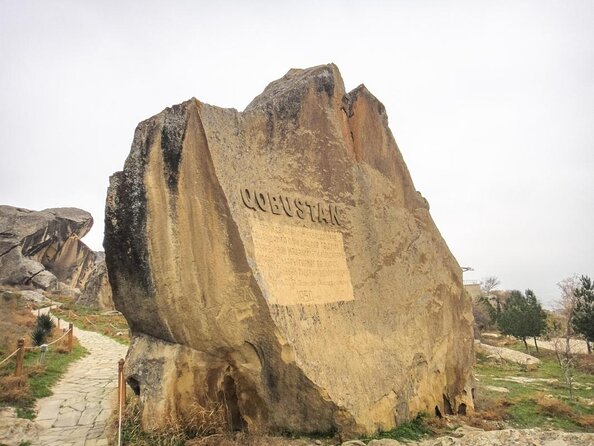
- Gobustan’s petroglyphs reach back roughly 40,000 years, with more than 6,000 carvings spread across the reserve.
- Mud volcanoes are reached by a special vehicle, often an old Soviet Lada or SUV, because the rough road is unsuitable for the main tour vehicle.
- The Fire Temple and Yanar Dag explain Azerbaijan’s Land of Fire nickname through religious history and natural gas flames.
- Lunch is separate, but the set meal at a local restaurant can include a generous range of Azerbaijani dishes.
- The tour may move quickly, especially when the group is larger or traffic slows the return to Baku.
- Bad weather can change the mud-volcano visit or cancel the day, with a new date or full refund offered in that case.
Why this full-day route works
Azerbaijan is easiest to understand when you connect its oddities. Gobustan shows you people marking stone thousands of years ago. Absheron shows you fire rising from the ground, first treated as sacred and later preserved as a natural attraction. The Bibi-Heybat Mosque adds a living Islamic site to the picture.
That range is the real strength of this outing. You are not spending eight hours looking at similar ruins. The day shifts from open scrubland and prehistoric art to a restaurant meal, a religious complex, a gas-fed flame, and a working mosque.
The tour begins near Baku’s Old City at Gosha Gala Tower, with hotel pickup also offered. The precise pickup arrangement matters, so confirm it when booking rather than assuming a vehicle will come directly to your hotel. The activity returns to the starting point at the end of the day.
Transport is by air-conditioned vehicle, with an English- or Russian-speaking guide. The maximum group size is 17, which is not a private tour, but it is still more manageable than a large coach. A smaller group can make a real difference at Gobustan, where you will want to hear explanations and ask questions without shouting across a bus.
More Gobustan and mud volcano runs:
- Baku: Gobustan, Mud Volcano, Fire Mount, Temple Lunch Entry
★ 4.9 · 3,246 reviews - BEST Gobustan, Volcanoes & Absheron Fire Tour (Group or Private)
★ 5.0 · 1,254 reviews - Gobustan and Absheron tour (All inclusive)
★ 5.0 · 1,014 reviews
Gobustan’s 40,000-year-old carvings
Gobustan is the heart of the excursion. The UNESCO-listed site contains more than 6,000 engravings, along with evidence of caves, settlements, and burials. The carvings show people hunting, animals, boats, dancing, and scenes from daily life across a very long span of time.
I find this stop more rewarding when you look for signs of ordinary life rather than expecting grand monuments. The stone panels do not feel like a conventional museum display. They are direct marks left on the land by people who lived through very different climates and eras.
You visit both the reserve and its indoor museum. The museum, rebuilt as a modern interactive center in 2011, holds more than 100,000 archaeological pieces and uses touchscreens and animated displays to explain the site in several languages. Paleolithic, Mesolithic, and Neolithic tools help place the carvings in context.
The outdoor portion is the reason to come, but the museum gives you a better chance of understanding what you are seeing. Without that background, a scratched animal or human figure can be easy to miss. The guide’s explanation also matters here. Seb has been praised for covering subjects such as hunting and the way the carvings were made, while other guides have been described as careful and well prepared.
The scheduled time is fairly short, about 30 minutes for the rock art and another 15 minutes for the museum. That is enough for an introduction, but not enough for a slow study of every panel. If photography is important to you, keep your camera ready and listen for instructions about where the group is moving next.
The rough road to Azerbaijan’s mud volcanoes
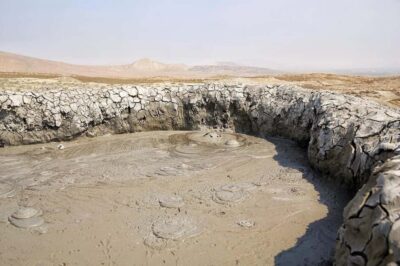
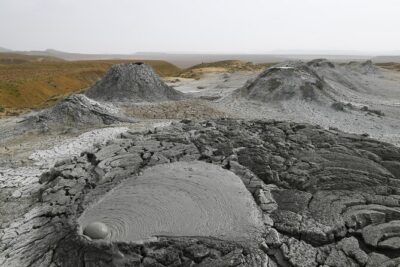
The mud volcanoes are the day’s most unusual stop. Azerbaijan has around 350 of the world’s roughly 800 known mud volcanoes, with many found around Gobustan. These are not the towering lava cones you might picture. They are low, gray, active formations that bubble and push mud to the surface.
The road is part of the experience. Because the route can be rough, the group transfers to a special vehicle, often described as an old Soviet Lada or SUV. The tour information says this vehicle fee is included, which is useful because the main air-conditioned vehicle cannot simply continue over every rough section.
You get close to the volcanoes, making this a more hands-on stop than a distant viewpoint. The sight can be funny and slightly surreal: gray mud, open ground, and small eruptions under a wide sky. Your guide may explain how pressure and underground gases create the bubbling activity.
Weather and access are the main uncertainties. The mud-volcano visit depends on conditions, and one guest found the planned site closed and had to go to another volcano by taxi at an extra cost. That is a useful warning: ask your guide early in the day which site is open and what, if anything, could cost extra. Do not treat this stop as guaranteed in exactly the form advertised.
The rough ride can also be uncomfortable for anyone who dislikes jolting roads. Still, for most people, the combination of unusual geology and the old 4×4 transfer is one of the day’s most memorable moments.
A local lunch in the Absheron region
After Gobustan, the route pauses for lunch at a traditional restaurant in the Absheron area. Lunch is not included, and the cost is paid separately. One meal cost 20 manat and included a large amount of food, so budget beyond the advertised $30.
This is a practical break rather than a formal food tour, but it gives you a chance to try several Azerbaijani dishes in one sitting. A set meal with an array of local food is useful if you are still learning what to order in Baku restaurants.
The time allowed is about one hour. That sounds comfortable, though traffic and the number of people in the group can affect how relaxed the meal feels. One important point is that the itinerary can run tightly, and a guest wished for more time at the sights for photographs. If you want a leisurely lunch, keep your expectations modest.
More Absheron peninsula circuits:
- Baku: Gobustan Absheron Tour Entry Tickets included
★ 4.9 · 329 reviews - Baku: Gobustan-Absheron Tour with Hotel PICK UP and DROP OFF
★ 4.8 · 170 reviews - Baku: Gobustan/Absheron guided tour with lunch and tickets
★ 4.8 · 158 reviews - Gobustan and Absheron peninsula ( Group or Private ) TOUR ( All inclusive )
★ 5.0 · 130 reviews
Ateshgah, the Fire Temple of Baku
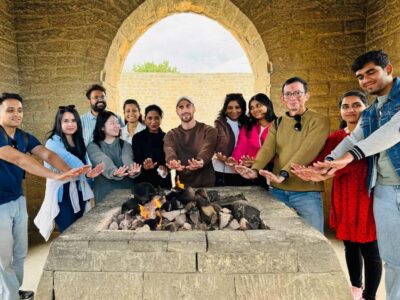
Ateshgah is a castle-like temple in Surakhani, a suburb of Baku. Its name comes from the Persian word atash, meaning fire. The complex was used as a place of worship by Zoroastrians and Hindus, and its present form took shape in the 17th and 18th centuries around naturally burning flames.
The temple helps explain the religious side of Azerbaijan’s fire traditions. Natural gas once came through the ground here, feeding flames that seemed to burn without fuel. Fire worshippers treated the site as sacred, and Hindu pilgrims continued to visit until the 1880s.
The five-sided complex has a central courtyard surrounded by small rooms and religious spaces. You will likely spend about 30 minutes here, enough to walk through the structure and hear the main story from your guide. Admission is not included, so bring money for the entrance fees and other expenses.
Ateshgah is more architectural than the mud volcanoes, but the two stops work well together. One shows underground forces in a raw form. The other shows how people built beliefs and buildings around those forces.
Yanar Dag and the flame that never seems to quit
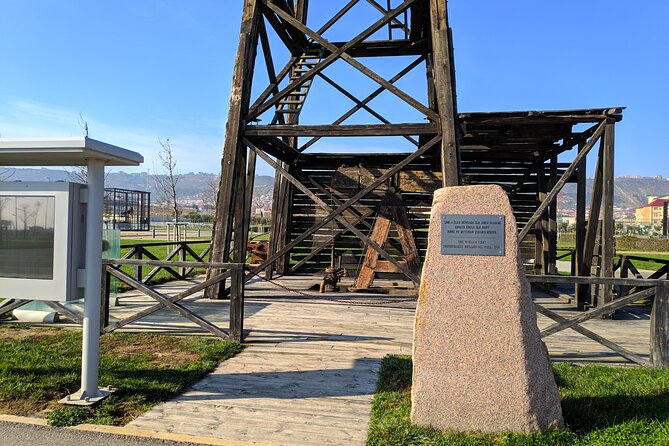
Yanar Dag, or Burning Mountain, is one of Absheron’s signature sights. Natural gas escapes through cracks in the earth and burns along the slope, creating a wall of flame near the ground. The site is about 23 kilometers north of Baku and has been protected as a historical, cultural, and natural reserve since 2007.
You only have around 20 minutes here, so this is a quick stop. The flame is easy to understand without a long visit, but the setting gives the sight its power. It is not a theatrical fire effect. Gas from below the surface keeps it burning.
A guide may also connect Yanar Dag to the old reports of fire around Baku, including Marco Polo’s account of flames in the region. That link gives meaning to the phrase Land of Fire without turning the stop into a long lecture.
The site is exposed, and the experience depends on the flame being visible and conditions being suitable. Admission is extra. I would treat Yanar Dag as a strong short stop rather than a place where you will spend an hour.
Bibi-Heybat Mosque and a modern reconstruction
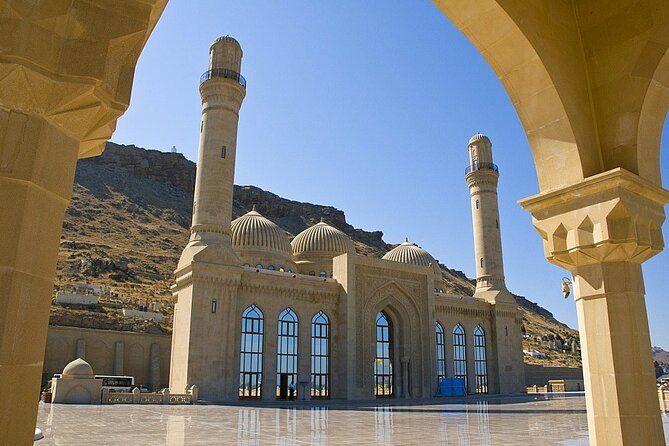
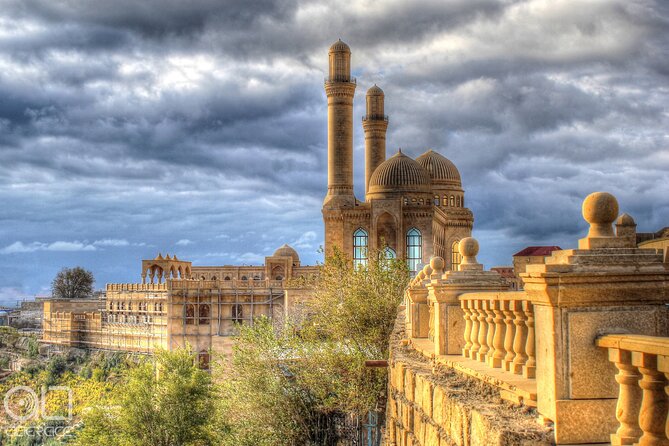
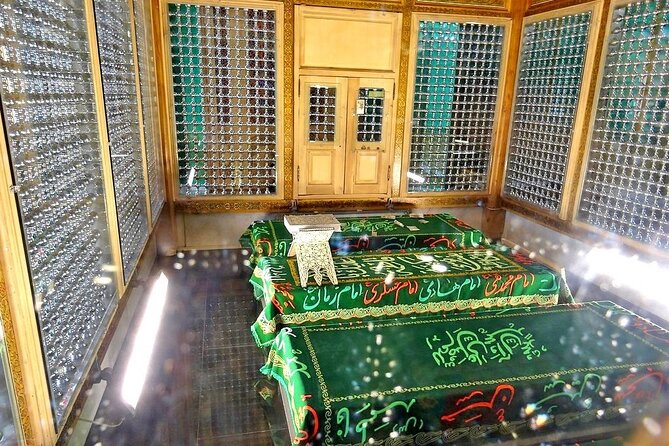
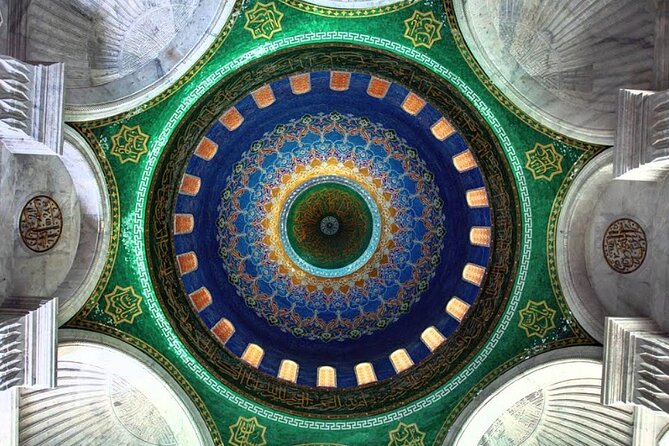
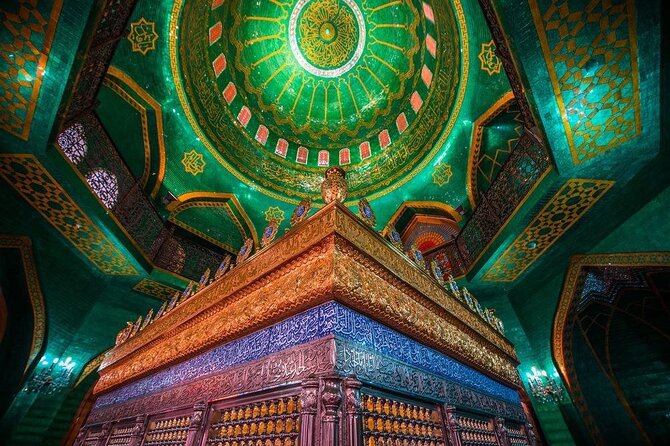
The Bibi-Heybat Mosque provides a sharp change of mood. The site is associated with Ukeyma Khanum, described as a descendant of Muhammad, and is an important spiritual center for Muslims in the region. It is also known locally as the Mosque of Fatima.
The mosque has older roots, dating to the medieval period, but the building you see today was reconstructed in the 1990s. That detail is important. You are visiting a modern recreation of an earlier mosque, not an untouched medieval structure.
The stop lasts about 15 minutes and admission is free. You may have just enough time to admire the exterior, hear the history, and appreciate the religious importance of the site. Dress and behave respectfully, as you should at any active place of worship.
This short visit adds balance to the fire temples and prehistoric sites. It also reminds you that Azerbaijan is not only a country of ancient symbols. Its Islamic traditions remain part of public life.
How the guides shape the day
The strongest part of the tour can be the guide. Seb has been praised for giving detailed explanations about mud-volcano activity, Zoroastrianism, Azerbaijani life, and even Formula One in Baku. Ley and Leyla have also received warm praise for being friendly, patient, and engaging, while Nazif has been described as professional and well prepared.
The experience is not perfectly consistent. One person found the explanations too brief and mostly descriptive, with some facts given as approximations. English is not every guide’s first language, so the speed and clarity of the talk may vary. If you are having trouble following, ask the guide to slow down. That simple request can make the history much easier to follow.
The small-group setup helps. One group had five people for the first part and only two later in the day. A group that size gives you a better chance to ask about religion, geology, or local customs, and it reduces the time spent gathering people at each stop.
Is the $30 price good value?
At $30 per person, the tour is inexpensive for a full day with hotel pickup, an air-conditioned vehicle, and a professional guide. It also covers a wide area that would be awkward to arrange by public transport, especially the mud volcanoes.
But the headline price is not the complete budget. Lunch is extra, and the listed entrance tickets, taxes, and other expenses are not included. The special vehicle for the mud volcanoes is stated to be included, though the experience can change if a planned site is closed.
The value is best if you want variety and convenience. You are paying for transport between far-flung locations and for someone to connect the sites into one story. If you prefer slow museum visits, long photo stops, or independent restaurant choices, the schedule may feel compressed.
Who should book this Baku day trip?
I would choose this tour if you have limited time in Baku and want to see the major sights outside the city in one day. It suits first-time visitors, people interested in archaeology and religion, and anyone curious about Azerbaijan’s unusual geology.
It is also a good fit if you do not want to rent a car or arrange several separate taxis. The air-conditioned transport is welcome during a long day, while the rough Lada ride adds a little local character.
I would be more cautious if you need a slow pace, have mobility concerns related to uneven roads, or care most about taking large numbers of photographs. The schedule is busy, the mud-volcano stop depends on weather and access, and the group may need to move on before you feel finished.
Free cancellation is available up to 24 hours before the start time. If poor weather forces cancellation, you can receive a different date or a full refund.
Should you book it?
Book this tour if you want the broadest picture of Baku’s surroundings for a modest base price. Gobustan’s ancient carvings, the bumpy road to the mud volcanoes, Ateshgah’s fire-worship history, Yanar Dag’s flames, and Bibi-Heybat Mosque make a varied and worthwhile day.
Go in with realistic expectations. Bring extra money for lunch and admission, confirm the pickup details, and ask about the mud-volcano route before setting out. If you accept a brisk schedule, the tour offers an efficient and memorable look at the stone, fire, and faith that shape Azerbaijan.
FAQ
How long does the Gobustan and Absheron tour last?
The experience lasts approximately eight hours, including transport and visits to the listed sites.
Where does the tour start?
The stated meeting point is Old City Hub near Gosha Gala Tower in Baku. Hotel pickup is also offered, so confirm the exact arrangement when booking.
Where does the tour end?
The activity ends back at the starting point near Gosha Gala Tower.
Is lunch included?
No. Lunch is extra and is served at a traditional restaurant in the Absheron region.
Are entrance tickets included?
No. The listed information says admission tickets, taxes, and other expenses are not included.
What languages does the guide speak?
Professional guide service is offered in English and Russian.
How many people can join the group?
The maximum group size is 17 people. Smaller groups may occur, depending on the booking date.
Can the mud-volcano visit be canceled?
Yes. The mud-volcano stop depends on weather and road conditions. If poor weather cancels the experience, you can be offered another date or a full refund.
Can I cancel for a refund?
You can cancel at least 24 hours before the start time for a full refund. Cancellations or changes made less than 24 hours before the start time are not refunded or accepted.
Recently added around Baku
- Heartbeat of Baku: Old & Modern City Walk (Group or Private)★ 5.0 · 3 reviews
- Baku: Secret Tour with Surprise Activity★ 5.0 · 3 reviews
- From Baku: Shahdag Mountain Resort Day Trip★ 5.0 · 3 reviews
- Full Day Guided Tour of Shamakhi and Gabala★ 5.0 · 3 reviews
- Guba and Shahdag Tour with Guide★ 5.0 · 3 reviews
- Lahij – village of masters★ 4.5 · 3 reviews
- Guba and Khinaligh Private Tour★ 5.0 · 3 reviews
- Gobustan & Mud Volcano★ 4.5 · 3 reviews
Gobustan & Mud Volcano Tours, compared.
Gobustan, Mud Volcano, Fire Mount, Temple Lunch Entry
Read our review →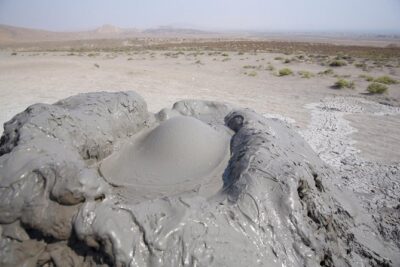
BEST Gobustan, Volcanoes & Absheron Fire Tour (Group or Private)
Read our review →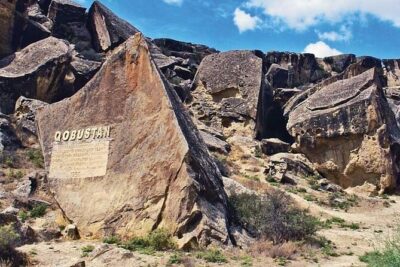
Gobustan, Volcanoes, Fire Temple and Yanardag Day Trip
Read our review →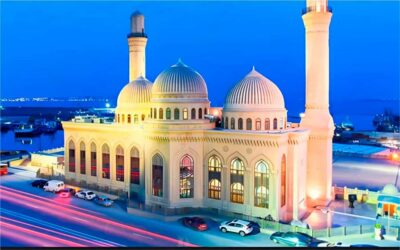
Gobustan-Mud Volcan-Fire Temple and Mountain Tour/Entrance inc
Read our review →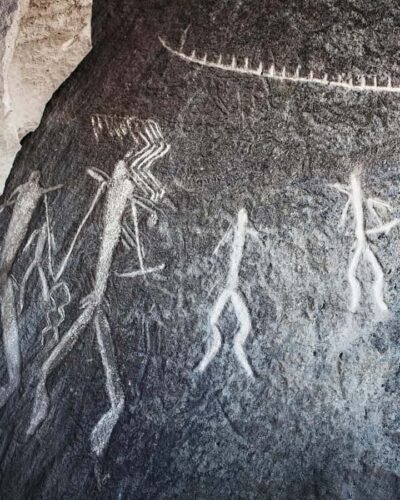
Gobustan Mud Volcanoes Temple & Entry tickets included
Read our review →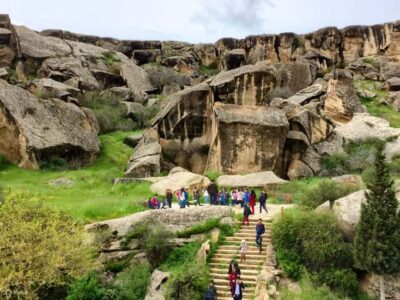
Gobustan-Absheron Tour with Hotel PICK UP and DROP OFF
Read our review →Browse the lists this tour appears in