
Reviewed · GOBUSTAN & MUD VOLCANO TOURS
Gobustan and Fire temple Tour with Polish speaking guide
Mud, fire, rock art, and oil shape this day. From Baku, this Polish-guided outing reaches several of Azerbaijan’s most unusual sights in one long excursion: Gobustan’s bubbling mud volcanoes, prehistoric petroglyphs, Bibiheybat Mosque, the country’s first drilled oil well, Ateshgah Fire Temple, and Yanardagh’s natural flame. I especially like the wide mix of nature and history and the ease of hotel pickup, transport, and a bottle of water included.
The tour also earns praise for its Polish-language guiding, which matters when sites carry layers of geology, religion, and industrial history. The main consideration is cost at $65 per person, since admission tickets are extra unless you select an option that includes them. Without included tickets, budget another 30 AZN for Gobustan, Ateshgah, and Yanardagh.
In This Review
- Key things to know before booking
- Why this route works well from Baku
- Gobustan’s mud volcanoes: a strange first look at the earth
- Gobustan rock art and the lives behind the carvings
- Bibiheybat Mosque: a quieter cultural stop
- Azerbaijan’s first drilled oil well and the story of oil
- Ateshgah Fire Temple and the many traditions of sacred flame
- Yanardagh, the Burning Mountain
- The Heydar Aliyev Center photo stop
- What the Polish-language guiding adds
- Is $65 good value?
- Who should book this tour?
- Final verdict: a strong introduction to Azerbaijan beyond Baku
- FAQ
- What is the price of the tour?
- Is hotel pickup included?
- Is transportation included?
- Is a guide included?
- Are entry tickets included?
- How much do the extra tickets cost?
- Is a bottle of water provided?
- Does the tour enter the Heydar Aliyev Center?
- Can I reserve now and pay later?
- What is the cancellation policy?
Key things to know before booking
- Gobustan combines mud volcanoes and ancient rock art, giving you two very different experiences in one region.
- The Polish-speaking guide adds context to sites that can be difficult to understand from signs alone.
- Bibiheybat Mosque provides a cultural and architectural pause between the outdoor stops.
- Azerbaijan’s oil story is part of the route, including a stop at the world’s first drilled oil well.
- Ateshgah and Yanardagh are separate fire-related sights, with the temple offering religious history and the mountain showing natural gas flames.
- Tickets cost an extra 30 AZN when an admission-included option is not selected.
Why this route works well from Baku
Azerbaijan can feel like several countries in one. Baku has polished modern architecture, while the area south and west of the city brings ancient carvings, unusual geology, sacred fire, and oil history. This tour links those subjects into one practical day.
I like the route because it does not treat Gobustan as just a photo stop. You get natural mud volcanoes, prehistoric rock art, a mosque, an oil site, a fire temple, and a burning hillside. Each stop gives you a different way to understand the region.
The hotel pickup and return also remove much of the planning work. You do not need to arrange separate taxis for remote sites or work out how to combine Gobustan with the Absheron Peninsula. Transportation is round trip, and pickup can be from your hotel or a central location.
The tradeoff is focus. This is a sightseeing-heavy day with many stops, so it suits you if you want a broad introduction rather than a slow visit to one museum or archaeological site. The day may feel full, especially if you prefer long stretches of quiet exploration.
More Ateshgah fire temple trips:
- Baku: Gobustan, Volcanoes, Fire Temple and Yanardag Day Trip
★ 4.7 · 433 reviews - Gobustan & Mud, Fire Temple, Burning Mountain (Group & Private)
★ 4.5 · 418 reviews - Gobustan-Mud Volcan-Fire Temple and Mountain Tour/Entrance inc
★ 5.0 · 267 reviews
Gobustan’s mud volcanoes: a strange first look at the earth
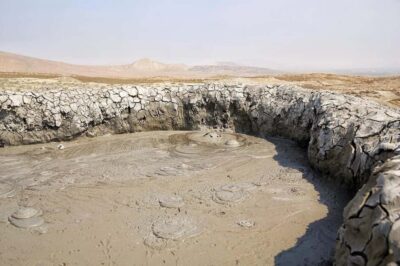
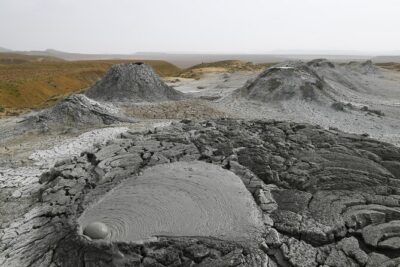
The Gobustan mud volcanoes are among the tour’s most distinctive stops. Instead of hot lava, these formations bubble and ooze mud and gas, creating low cones and pools in a stark setting. The effect is quiet, odd, and very different from a conventional volcanic site.
I find this stop valuable because it shows a side of Azerbaijan that photographs cannot fully explain. The ground appears active in a small, almost domestic way, with mud pushing up rather than fire shooting out. Your guide can help explain why the formations occur and place them within the wider setting of Gobustan.
Practical expectations matter here. This is an outdoor geological visit, not a polished attraction with rows of exhibits. Wear shoes you are comfortable using outdoors, and keep your attention on where you walk. The supplied information does not specify the exact walking conditions, so you should be ready for an uneven or basic setting.
The mud volcanoes also help break up the historical parts of the day. After seeing religious buildings and old carvings, you get a direct look at natural forces still shaping the ground. That contrast gives the whole route a stronger rhythm.
Gobustan rock art and the lives behind the carvings
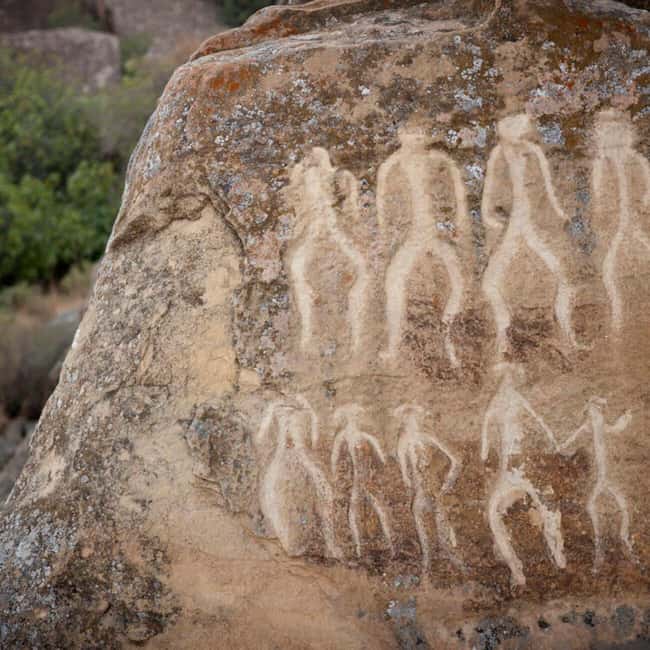
Gobustan’s rock art offers the tour’s oldest human story. The petroglyphs date back thousands of years and show that early settlers used this area, recorded scenes, and left marks that still invite interpretation.
I like this part because the carvings make the past feel personal. A museum label can tell you that people lived in a region long ago, but rock images connect you to what they chose to record. The art gives you glimpses into daily life, movement, and belief without turning the visit into a dry history lesson.
The guide’s commentary matters especially here. Petroglyphs can look simple at first, and their meaning is not always obvious. A Polish-speaking guide who provides historical context can point out why the carvings matter and help you notice details you might otherwise pass.
Admission to the Gobustan rock art and mud volcano portion is included in the combined extra ticket price of 15 AZN when tickets are not selected in advance. The tour information groups the two Gobustan experiences under that amount, so confirm the exact ticket arrangements when booking.
Bibiheybat Mosque: a quieter cultural stop
Bibiheybat Mosque brings the route back toward architecture and religious tradition. Its design gives you a chance to see an important Islamic site rather than spending the entire day among geological and archaeological remains.
I appreciate this change of pace. The mosque adds a human and spiritual dimension to a route otherwise dominated by mud, stone, oil, and fire. You can admire the building’s form while your guide explains its place in Azerbaijan’s local story.
The supplied details do not specify how long the visit lasts or whether interior access is guaranteed. Treat it as a sightseeing stop and follow any local dress or conduct guidance provided at the site. A respectful approach is important at any active or historic religious building.
For photographers, the mosque also offers visual variety. Gobustan’s earthy formations and carved rocks are rough and open; Bibiheybat gives you patterned architecture and a more formal setting. That contrast makes the day feel less repetitive.
More Gobustan and mud volcano runs:
- Baku: Gobustan, Mud Volcano, Fire Mount, Temple Lunch Entry
★ 4.9 · 3,246 reviews - BEST Gobustan, Volcanoes & Absheron Fire Tour (Group or Private)
★ 5.0 · 1,254 reviews - Gobustan and Absheron tour (All inclusive)
★ 5.0 · 1,014 reviews - Baku: Gobustan Absheron Tour Entry Tickets included
★ 4.9 · 329 reviews
Azerbaijan’s first drilled oil well and the story of oil
The oil-well stop explains why Baku became so important to the modern energy industry. You visit the site identified as the world’s first drilled oil well, linking the region’s natural resources to the rise of the oil business.
This is one of the route’s more unusual inclusions. Many city tours focus on Baku’s grand buildings and leave out the industrial story that helped shape the country. Here, you get a direct connection between the ground beneath Azerbaijan and the wealth and development that followed.
Do not expect a long technical museum visit based on the information provided. The stop is presented as a place to learn about the oil boom and its importance. That makes the guide’s explanation central. A short visit can still be useful if you understand what you are looking at and why it changed Baku.
I would pay close attention here even if oil history is not your main interest. It helps tie the rest of the day together. The bubbling mud volcanoes, underground gas, and oil well are not random attractions. They all reflect the unusual resources beneath the Absheron region.
Ateshgah Fire Temple and the many traditions of sacred flame
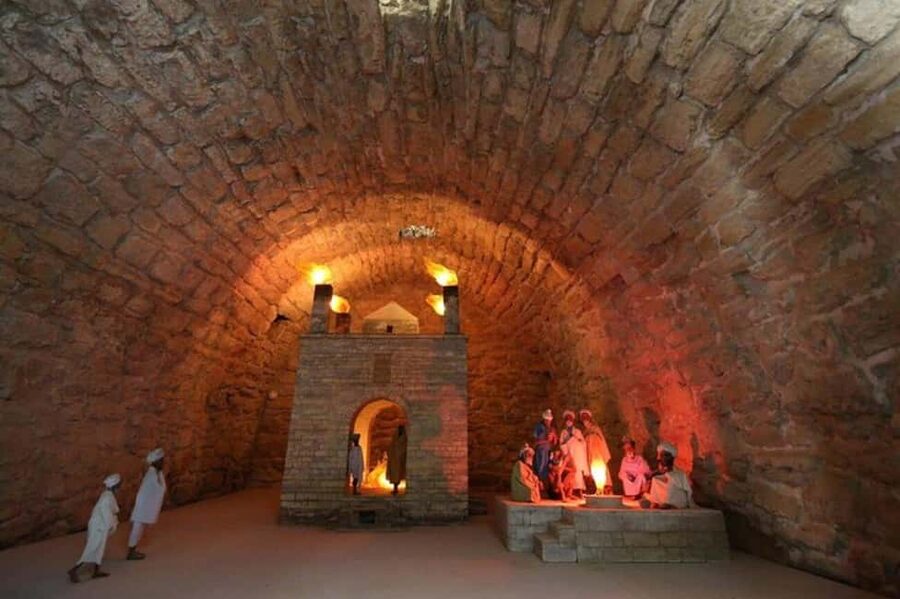
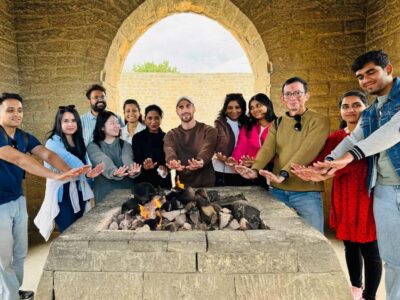
Ateshgah, known as the Fire Temple of Baku, is the tour’s strongest historical and religious stop. The site was used by Zoroastrians, Hindus, and Sikhs, and its association with natural gas-fueled flames made it a place of worship and pilgrimage.
The important point is that Ateshgah is not simply an old building with a dramatic name. Its story reflects the movement of people, ideas, and faiths through the region. Your guide can explain how fire shaped the site’s meaning and why different religious communities are connected with it.
The temple offers a different experience from Yanardagh. At Ateshgah, the focus is on a built sacred site and the people who used it. You see courtyards, rooms, and architectural details tied to worship and travel. At Yanardagh, nature takes the lead.
Admission to Ateshgah is part of the combined 15 AZN ticket that also covers Yanardagh when tickets are not included in your selected tour option. Check your booking choice carefully so the extra cost does not surprise you.
Yanardagh, the Burning Mountain
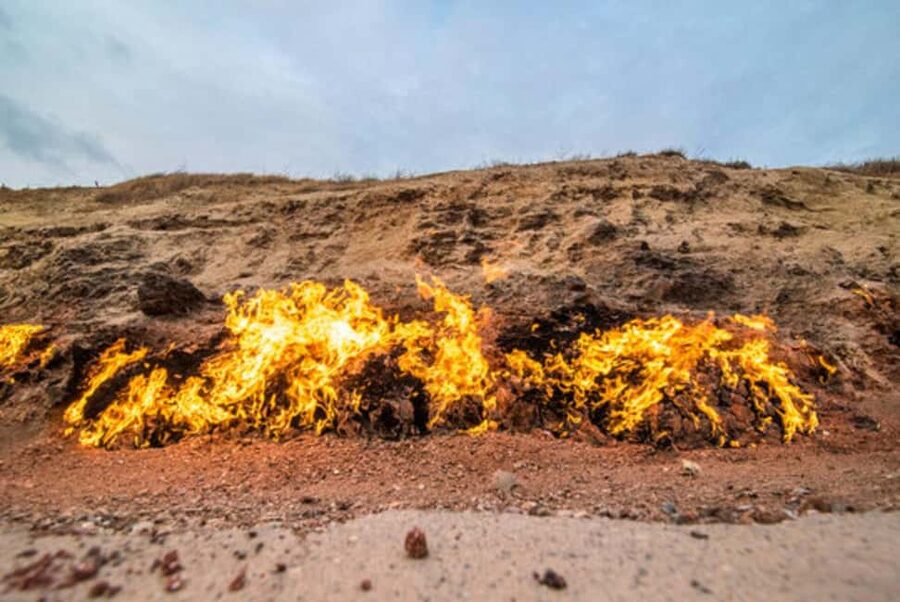
Yanardagh is a hillside where natural gas burns continuously. The flame creates one of Azerbaijan’s most memorable sights, especially because it appears to rise directly from the earth rather than from a lamp or furnace.
I like Yanardagh as the final major attraction because it brings the region’s geology and spiritual traditions together. After learning about sacred fire at Ateshgah and oil at the earlier stop, you see a natural flame that has inspired wonder for centuries.
The name means Burning Mountain, but keep your expectations realistic. The attraction is a natural gas fire on a hillside, not a huge mountain engulfed in flames. Its appeal lies in the strange fact that the fire continues to burn and in the way it fits into the wider story of Absheron.
The weather may affect how dramatic the flames appear, and the supplied details do not state the exact viewing time. Your guide’s explanation will help give the stop meaning beyond a quick photograph.
The Heydar Aliyev Center photo stop
The Heydar Aliyev Center is the final point on the route. Groups visit it as a sightseeing and photo stop, but do not go inside because of time limits.
That distinction is important. If you want to tour the center’s interior exhibitions, this outing will not provide that experience. If you mainly want to see its famous exterior and take photographs, the stop gives you a useful final look at Baku’s modern architectural identity.
The building also makes a sharp contrast with the day’s older sites. You move from prehistoric carvings and a historic mosque to a landmark associated with contemporary Baku. That closing contrast reinforces the city and region’s mix of ancient traditions, natural resources, and modern design.
What the Polish-language guiding adds
The tour is designed for Polish speakers, and that is a real advantage if you want explanations in Polish rather than relying on translated signs or a general multilingual presentation. The guide is described as multilingual, with Polish available, so confirm the precise language arrangement at booking if this is essential for your group.
I value guiding most at Gobustan, the oil-well site, Ateshgah, and Yanardagh. None of those places is difficult to look at, but their importance is not always self-explanatory. The right explanation turns a bubbling mud pool into a geological story, a flame into a religious story, and an old well into an economic story.
Only one written rating is supplied, and it gives the experience five out of five with a strong recommendation. That is encouraging, though it is a small feedback sample, so I would treat it as a positive sign rather than proof that every group will have the same day.
Is $65 good value?
At $65 per person, the tour offers solid value if you want to cover several sites without arranging separate transport. Hotel pickup and drop-off, round-trip transportation, a Polish-speaking guide, and bottled water are included.
The admission structure deserves careful attention. If you do not choose an option with tickets, entry to Gobustan, Ateshgah, and Yanardagh costs 30 AZN in total: 15 AZN for Gobustan’s rock art and mud volcanoes, and 15 AZN for Ateshgah and Yanardagh.
That makes the real cost higher than the headline price. Still, the route covers remote or spread-out sights, and the convenience of a single vehicle and guide has practical value. You are paying not only for entry, but also for the ability to see the main Gobustan and Absheron highlights in one organized outing.
The tour is a better deal for first-time visitors who want coverage. It is less compelling if you have already visited several of these sites or want to spend most of your day at one attraction.
Who should book this tour?
I would recommend it to you if you want:
- A broad introduction to Gobustan and Absheron
- Polish-language explanations
- A mix of ancient art, religion, geology, oil, and modern architecture
- Hotel pickup and return
- One organized route instead of several independent transfers
Families and first-time visitors may appreciate the variety, since the day does not depend on one type of attraction. History fans will find plenty to discuss, while photographers get mud volcanoes, petroglyphs, mosque architecture, flames, and the Heydar Aliyev Center exterior.
You may want another option if you dislike full sightseeing days, need a slow pace, or specifically want to enter the Heydar Aliyev Center. The tour only stops there for views and photographs. You should also account for the extra admission charge unless your booking option includes tickets.
Booking remains fairly flexible. You can reserve now and pay later, and cancellation is allowed up to 24 hours in advance for a full refund. Those terms are useful if your Baku plans may change.
Final verdict: a strong introduction to Azerbaijan beyond Baku
I recommend this tour if you want to see how Azerbaijan’s natural resources shaped its culture and history. The route moves from mud volcanoes to prehistoric carvings, from mosque architecture to oil, and from sacred fire to a modern landmark. That is a lot of ground, but the subjects fit together better than they first appear.
The strongest reasons to book are the Polish-speaking guide, the broad range of stops, and the included hotel transport. The main cautions are the extra ticket cost, the busy schedule, and the fact that the Heydar Aliyev Center is exterior only.
At $65 per person before optional admission fees, it is a sensible choice for a first visit to the region around Baku. If you prefer depth over breadth, choose a shorter specialist visit. If you want the big picture in one day, this tour makes a practical and interesting choice.
FAQ
What is the price of the tour?
The tour costs $65 per person.
Is hotel pickup included?
Yes. Hotel pickup and drop-off are included, with pickup also available from a central location.
Is transportation included?
Yes. Round-trip transportation is included in the tour price.
Is a guide included?
Yes. A multilingual guide is included, with Polish-language guiding available.
Are entry tickets included?
Entry tickets are not included unless you select a tour option that includes them.
How much do the extra tickets cost?
If tickets are not included in your selected option, they cost 30 AZN in total. Gobustan rock art and mud volcanoes cost 15 AZN, while Ateshgah and Yanardagh cost 15 AZN.
Is a bottle of water provided?
Yes. One bottle of water is included.
Does the tour enter the Heydar Aliyev Center?
No. The center is visited as a sightseeing and photo stop. Groups do not enter because of time limits.
Can I reserve now and pay later?
Yes. The tour allows you to reserve your place and pay later.
What is the cancellation policy?
You can cancel up to 24 hours in advance for a full refund.
Recently added around Baku
- Heartbeat of Baku: Old & Modern City Walk (Group or Private)★ 5.0 · 3 reviews
- Baku: Secret Tour with Surprise Activity★ 5.0 · 3 reviews
- From Baku: Shahdag Mountain Resort Day Trip★ 5.0 · 3 reviews
- Full Day Guided Tour of Shamakhi and Gabala★ 5.0 · 3 reviews
- Guba and Shahdag Tour with Guide★ 5.0 · 3 reviews
- Lahij – village of masters★ 4.5 · 3 reviews
- Guba and Khinaligh Private Tour★ 5.0 · 3 reviews
- Gobustan & Mud Volcano★ 4.5 · 3 reviews
Gobustan & Mud Volcano Tours, compared.
Gobustan, Mud Volcano, Fire Mount, Temple Lunch Entry
Read our review →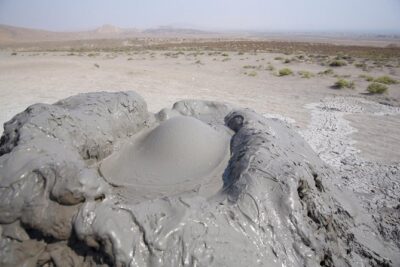
BEST Gobustan, Volcanoes & Absheron Fire Tour (Group or Private)
Read our review →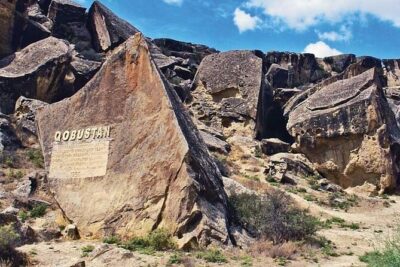
Gobustan, Volcanoes, Fire Temple and Yanardag Day Trip
Read our review →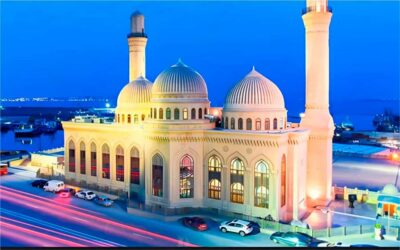
Gobustan-Mud Volcan-Fire Temple and Mountain Tour/Entrance inc
Read our review →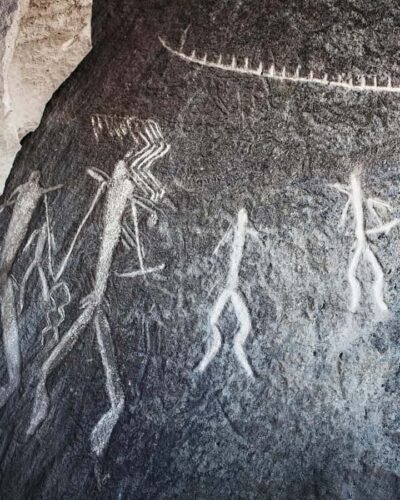
Gobustan Mud Volcanoes Temple & Entry tickets included
Read our review →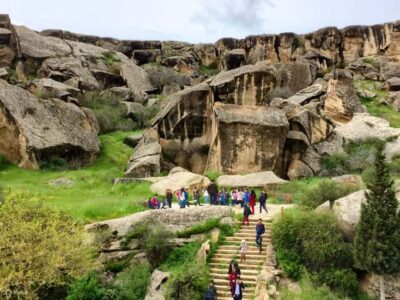
Gobustan-Absheron Tour with Hotel PICK UP and DROP OFF
Read our review →Browse the lists this tour appears in