
Reviewed · GOBUSTAN & MUD VOLCANO TOURS
Gobustan, Mud Volcano, Burning Mountain and Fire Temple Tour
Earth, fire, and ancient stone meet outside Baku. This five to seven hour private tour packs several of Azerbaijan’s most unusual sights into one day, from Stone Age rock carvings and cold mud volcanoes to a Zoroastrian fire temple and a hillside flame that burns from natural gas.
I like the efficient route and the comfort of a private, air-conditioned vehicle with an English-speaking driver. I also like the variety: this is not just a museum day or a standard city outing. You get geology, ancient art, religion, oil history, and Caspian scenery in one trip.
The main drawback is the pace. With six stops and several long drives, this is best understood as a whistle-stop tour, not a slow study of each place. Entrance fees are also separate at most major sights, so the $80 price is not the final cost.
In This Review
- Key points to know before booking
- Why this six-stop route works
- Gobustan: Stone Age pictures in ravine country
- Cold mud volcanoes near the Caspian coast
- Ateshgah Fire Temple and the story of sacred flame
- Yanar Dag: a hillside that keeps burning
- Bibi-Heybat Mosque by the Caspian Sea
- The world’s first oil well and modern Azerbaijan
- The guide and driver can shape the day
- Is $80 a fair price?
- Who should book this tour?
- Should you book it?
- FAQ
- How long does the tour last?
- Where does the tour take place?
- Is hotel pickup available?
- Is this a private tour?
- What transportation is included?
- Is an English-speaking guide or driver provided?
- Are entrance fees included?
- Is lunch included?
- Can children join the tour?
- What happens if bad weather cancels the tour?
Key points to know before booking
- Gobustan combines Stone Age carvings with a stark ravine-filled setting, giving you both an archaeological site and a view of Azerbaijan’s dry southern coast.
- The mud volcanoes are cold, bubbling mounds of sludge and methane rather than fiery volcanoes. Conditions can affect access and appearance.
- Ateshgah Fire Temple connects Azerbaijan with Zoroastrianism and Indian merchants, making it more than a quick photo stop.
- Yanar Dag burns from natural gas, with flames reaching about three meters above a porous sandstone layer.
- A private vehicle makes six stops practical, especially for families or short visits to Baku, but each stop receives limited time.
- The tour has a perfect recommendation rate from the supplied booking data, with praise focused on safe driving, quick communication, friendly service, and guides such as Kamran, Saddar, and Max.
Why this six-stop route works
Baku is an easy base for seeing the Absheron Peninsula and the sites south of the city. The difficulty is that these places are spread out, and public transportation will not link them neatly in a half-day. This tour handles the driving, gives you a private vehicle, and keeps the schedule flexible within a compact time frame.
The route also tells a surprisingly coherent story. Gobustan shows life in the Stone Age. The mud volcanoes reveal gases and pressure beneath the ground. Ateshgah explains how natural fire shaped religious practice. Yanar Dag returns you to the raw force of underground gas. The mosque and oil well add layers of Islamic and industrial history.
I would not choose this tour if you want long museum visits or a relaxed lunch in the countryside. I would choose it if you have one free day in Baku and want to see the strange, memorable places that are difficult to arrange on your own.
The vehicle is air-conditioned, and private transportation is included. That matters in a dry, exposed region where heat, wind, or rain can make waiting beside a roadside attraction unpleasant. The booking information says most people can participate, but the tour requires good weather, and a minimum number of participants may apply even though the activity itself is private to your group.
More Yanar Dag burning mountain trips:
- Baku: Gobustan, Mud Volcano, Fire Mount, Temple Lunch Entry
★ 4.9 · 3,246 reviews - Baku: Gobustan, Volcanoes, Fire Temple and Yanardag Day Trip
★ 4.7 · 433 reviews - Gobustan & Mud, Fire Temple, Burning Mountain (Group & Private)
★ 4.5 · 418 reviews
Gobustan: Stone Age pictures in ravine country
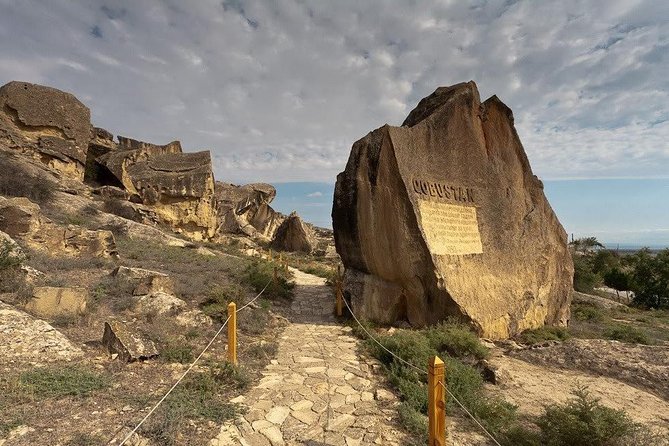
Gobustan lies about 60 kilometers south of Baku on the southeastern spur of the Great Caucasian Range. The name means land of ravines, a fitting description for this dry, hilly area cut by gullies and surrounded by caves and rock outcrops.
The attraction is its large collection of prehistoric rock engravings, also called petroglyphs. People settled here from the Stone Age onward, leaving images carved into the rock. These markings make Gobustan one of the world’s major and oldest collections of rock art.
You have about one hour here. That is enough to get a clear sense of the site and see key carvings, but it is not a full archaeological study. I would pay close attention to the guide’s explanations, since the meaning and age of rock art are easy to miss when you are looking at weathered stone in a dry setting.
Gobustan is also a good reminder that Azerbaijan’s past is not limited to grand palaces and urban monuments. The site feels exposed and earthy. The surrounding ravines and rock formations help you picture why early communities used this area for shelter and movement.
Admission is not included, so budget for a separate entrance payment. Ask about the exact fee before setting out, since the supplied tour details do not give a current amount.
Cold mud volcanoes near the Caspian coast
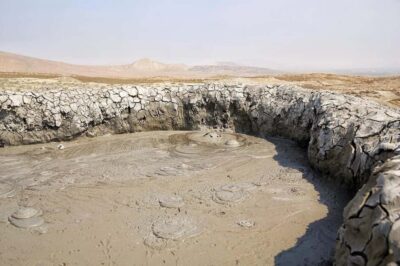
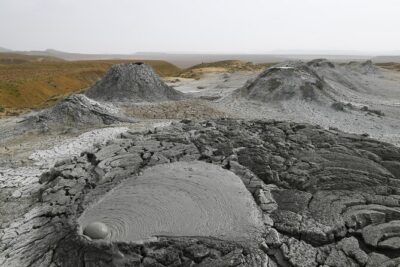
The mud volcano stop is the tour’s oddest geological moment. Around Gobustan National Park and along the Caspian coast, low mounds ooze and gurgle with cold mud and methane.
You will not see lava. These are not hot, red volcanic cones. The material is cold subterranean sludge, and the effect can be modest or surprisingly active depending on conditions. The ground may look plain at first, then a bubbling vent makes the earth feel less solid and predictable.
You have roughly one hour for this stop. Wear shoes you do not mind taking through dusty or muddy conditions, and avoid treating the mounds like ordinary ground. The supplied information does not promise a particular volcano site or level of activity, so keep expectations sensible. You are seeing a natural process, not a staged show.
Admission is listed separately from the tour price. The road and weather can also affect how smooth this part of the day feels. That is one reason the private vehicle helps: you are not trying to coordinate a separate ride into a remote, rougher area.
For me, this stop adds real value because it makes the day more than a string of historic buildings. Gobustan gives you ancient human marks. The mud volcanoes show that the ground is still active in a very different way.
Ateshgah Fire Temple and the story of sacred flame
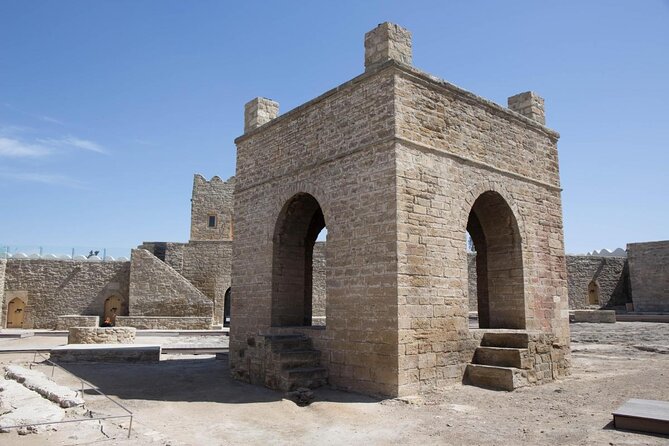
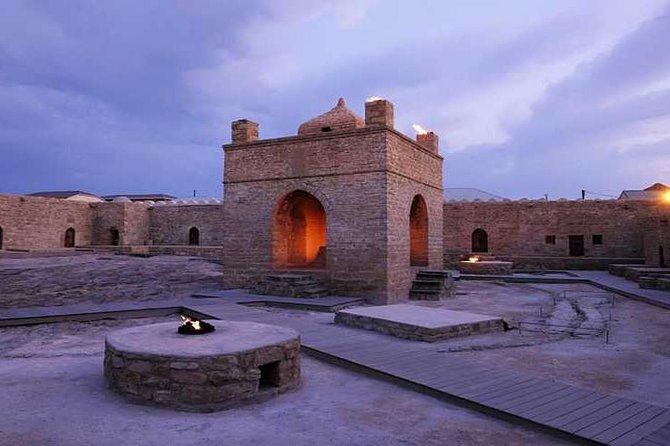
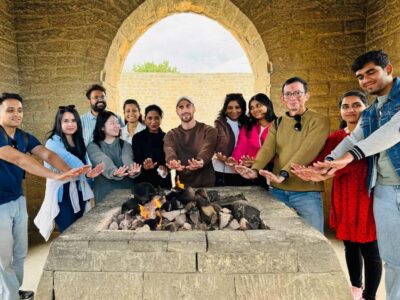
Ateshgah is in Surakhani, on the Absheron Peninsula. Its castle-like walls surround low, dark cells once used by monks and pilgrims. Today it functions as a museum explaining the basic ideas of Zoroastrianism and the temple’s role as a pilgrimage and philosophical center.
The temple is linked to Zoroastrians from the northwestern Indian subcontinent who traded around the Caspian region along the Grand Trunk Road. That connection gives the site a wider story than the name Fire Temple alone suggests. It reflects trade, religion, and the movement of people across Asia.
You get about 50 minutes here. That is a useful amount of time for the compact complex, especially if your guide explains the cells and religious background. If you enjoy religious history, you may wish the visit were longer. Still, the short stop works well after Gobustan because it changes the focus from prehistoric carvings to written and living religious traditions.
The temple was last restored in 1975. Entrance is not included, so plan on an extra fee. The tour description says the museum is intended to explain Zoroastrianism to people unfamiliar with it, which makes this a welcoming stop even if you know little about the faith.
I especially like the contrast between Ateshgah and Yanar Dag. One is a human-built place shaped around fire. The other is a natural gas flame on a hillside.
More Ateshgah fire temple trips:
- Gobustan-Mud Volcan-Fire Temple and Mountain Tour/Entrance inc
★ 5.0 · 267 reviews - Gobustan, Mud volcanoes, Fire temple, Fire mountain PRIVATE TOUR
★ 5.0 · 47 reviews - Gobustan & Mud, Fire Temple, Burning Mountain, H.A. Center
★ 4.6 · 46 reviews - Ateshgah Fire temple and Burning mountain tour
★ 4.5 · 42 reviews
Yanar Dag: a hillside that keeps burning
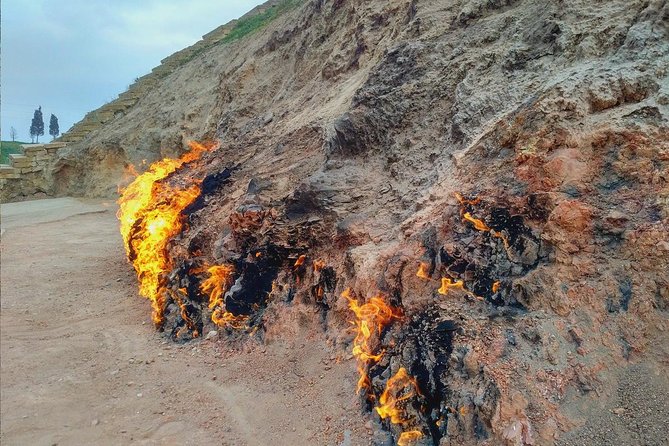
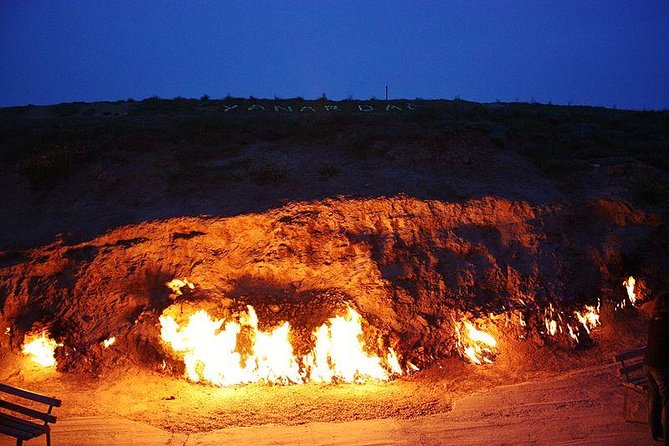
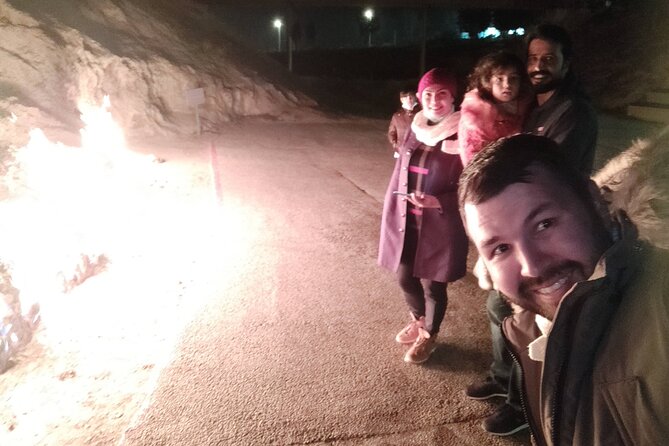
Yanar Dag means Burning Land. It is a natural gas fire on a hillside near Baku, where flames rise from a thin, porous sandstone layer. The fire can reach about three meters, or nearly ten feet, into the air.
The flame was reportedly noticed after a shepherd accidentally lit it in the 1950s. That detail gives the site a touch of modern folklore, but the main interest is geological: gas from below reaches the surface and burns continuously.
The scheduled visit lasts about 30 minutes. That is probably enough time to watch the fire, take photographs, and hear the basic explanation. It is not a large complex with many rooms to explore. If you expect a vast field of flames, adjust your expectations. Yanar Dag is a focused stop, and its appeal comes from the fact that one small hillside has burned for so long.
Admission is not included. Bring a little patience if the weather is windy or rainy, since the tour requires good conditions and the attraction is outdoors.
Yanar Dag is one of the places that makes this itinerary memorable. You can explain a museum display in a sentence, but seeing gas-fed flames coming directly from the earth is harder to forget.
Bibi-Heybat Mosque by the Caspian Sea
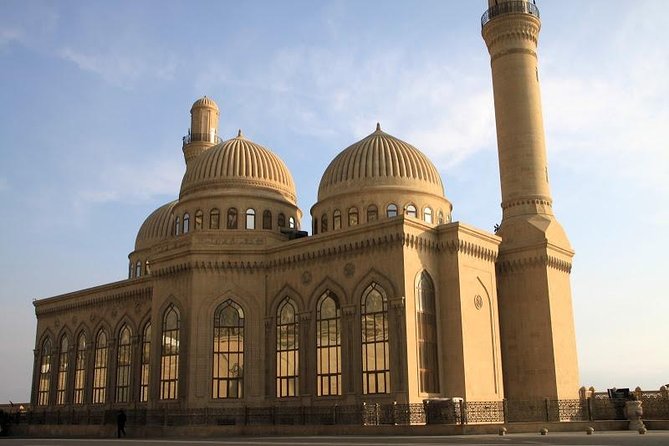
Bibi-Heybat Mosque receives a short ten-minute visit. The mosque is described as a historic architectural site beside the Caspian Sea, with detailed design and an important cultural role.
Ten minutes means you should treat this as a brief look rather than a full architectural visit. You may have time for exterior views, a quick visit, and photographs, depending on the day’s timing. If you want to study the mosque carefully, you will need a separate visit.
The stop adds balance to the route. After prehistoric art, mud, and natural fire, the mosque brings you back to a major religious tradition in Azerbaijan. It also gives the itinerary a coastal setting, even though the schedule does not provide a long seaside break.
Admission is included here, unlike at Gobustan, the mud volcanoes, Ateshgah, and Yanar Dag. Dress and behave respectfully at any religious site, and follow any instructions given at the mosque.
The world’s first oil well and modern Azerbaijan
The final listed stop is the World’s First Oil Well, also scheduled for ten minutes. The site marks the beginning of the modern petroleum era and points to Azerbaijan’s role in the early development of the global oil industry.
Again, this is a quick historical stop. You will not have time for a long industrial museum visit, but you can see the site and understand why oil is central to Baku’s modern identity. The city’s wealth, architecture, and place in regional history are closely tied to petroleum.
Admission is included. I would use the short stop to ask the driver how the oil boom shaped Baku, rather than simply taking a photograph and moving on. The available details do not promise a formal guide at each site, but the English-speaking driver is expected to share information during the trip.
The guide and driver can shape the day
The experience includes an English-speaking driver, not a separate specialist guide listed for every attraction. That makes the quality of the commentary important. The supplied feedback gives several names connected with positive experiences: Kamran was praised for being informative, interactive, and proud of his country; Saddar was described as clear and detailed; Max was praised for professionalism and attention to safety.
That does not guarantee which person you will receive, so I would confirm the assigned driver before departure if that matters to you. The strongest service points are practical ones: quick communication, help with short-notice arrangements, safe driving, patience with children, and attention to comfort.
One family traveling in rainy weather still enjoyed the day, and the driver’s safe handling was specifically appreciated. That is useful context because the route covers exposed outdoor sites. Good weather will improve the experience, but a careful driver and a comfortable vehicle help when conditions are less than perfect.
Is $80 a fair price?
At $80 per person, the tour is not simply a cheap ride to the outskirts of Baku. You are paying for private transportation, an air-conditioned vehicle, an English-speaking driver, and a route that links six places in five to seven hours.
The value is strongest for a small group that would otherwise need to hire a car and organize several separate trips. Families may also appreciate the private format, since you are not tied to strangers or a fixed public bus schedule. The tour has group discounts, which can improve the per-person price for larger parties.
The price needs careful reading. Entrance fees are not included at Gobustan, the mud volcanoes, Ateshgah, and Yanar Dag. Bibi-Heybat Mosque and the oil well are listed as included. Lunch is not included in the official details, even though one account associated with a similar day described lunch as part of the experience. I would confirm this directly before booking and carry money for food and admissions.
The tour is booked an average of seven days ahead, but one booking was arranged at very short notice. I would not depend on last-minute availability, especially during busy periods. Book early if your Baku schedule is tight.
Who should book this tour?
I would recommend it to first-time visitors with limited time, families who want a private vehicle, and anyone drawn to unusual geology and religious history. It suits people who prefer seeing many major sights in one organized day rather than spending hours at one museum.
It is also a good fit if you want an English-speaking driver and do not want to negotiate separate transport to Gobustan or the mud volcanoes. The private format means only your group participates, which can make the day easier for mixed-age groups.
I would hesitate if you dislike long drives, outdoor conditions, or quick visits. The mud volcanoes and Yanar Dag are weather-dependent, and the short stops at Bibi-Heybat and the oil well may feel too brief for serious history or architecture fans.
Free cancellation is available when you cancel at least 24 hours before the start time. Changes or cancellations inside that window are not accepted for a refund. If poor weather cancels the trip, you are offered another date or a full refund. The same applies if the minimum number of participants is not met.
Should you book it?
Book this tour if you want maximum variety with minimum planning. Gobustan, the cold mud volcanoes, Ateshgah, and Yanar Dag give you a strong introduction to the natural and cultural oddities around Baku, while Bibi-Heybat and the oil well fill out the city’s religious and industrial story.
At $80, it is sensible value for a private group, but add entrance fees and lunch to your budget. Ask about the exact inclusions, confirm the day’s driver, and accept that this is a fast-moving outing. If that sounds right, the tour gives you a practical and memorable look at the parts of Azerbaijan that are hardest to reach independently.
FAQ
How long does the tour last?
The tour lasts approximately five to seven hours.
Where does the tour take place?
The tour is based in Baku and visits sites around Gobustan, the Caspian coast, Surakhani, and the Absheron Peninsula.
Is hotel pickup available?
Pickup is offered, although the supplied details do not specify the pickup locations.
Is this a private tour?
Yes. Only your group participates in the private activity.
What transportation is included?
An air-conditioned vehicle and private transportation are included.
Is an English-speaking guide or driver provided?
An English-speaking driver is included.
Are entrance fees included?
Entrance fees are not included for Gobustan Rock Art, the mud volcanoes, Ateshgah Fire Temple, or Yanar Dag. Admission is included for Bibi-Heybat Mosque and the World’s First Oil Well.
Is lunch included?
Lunch is not included in the official tour inclusions. One account associated with the experience described lunch, so confirm the current arrangement before booking.
Can children join the tour?
Most people can participate, and the supplied information includes a positive account of children enjoying the driver’s company.
What happens if bad weather cancels the tour?
If poor weather causes cancellation, you are offered a different date or a full refund.
More Gobustan & Mud Volcano Tours
- BEST Gobustan, Volcanoes & Absheron Fire Tour (Group or Private)
★ 5.0 · 1,254 reviews - Gobustan and Absheron tour (All inclusive)
★ 5.0 · 1,014 reviews - Baku: Gobustan Absheron Tour Entry Tickets included
★ 4.9 · 329 reviews - Baku:Gobustan Mud Volcanoes Temple & Entry tickets included
★ 4.8 · 178 reviews
Recently added around Baku
- Heartbeat of Baku: Old & Modern City Walk (Group or Private)★ 5.0 · 3 reviews
- Baku: Secret Tour with Surprise Activity★ 5.0 · 3 reviews
- From Baku: Shahdag Mountain Resort Day Trip★ 5.0 · 3 reviews
- Full Day Guided Tour of Shamakhi and Gabala★ 5.0 · 3 reviews
- Guba and Shahdag Tour with Guide★ 5.0 · 3 reviews
- Lahij – village of masters★ 4.5 · 3 reviews
- Guba and Khinaligh Private Tour★ 5.0 · 3 reviews
- Gobustan & Mud Volcano★ 4.5 · 3 reviews
Gobustan & Mud Volcano Tours, compared.
Gobustan, Mud Volcano, Fire Mount, Temple Lunch Entry
Read our review →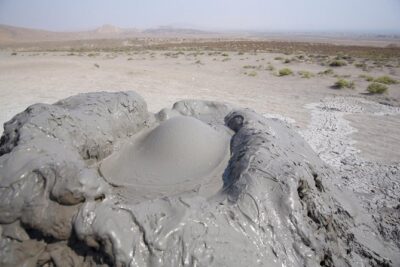
BEST Gobustan, Volcanoes & Absheron Fire Tour (Group or Private)
Read our review →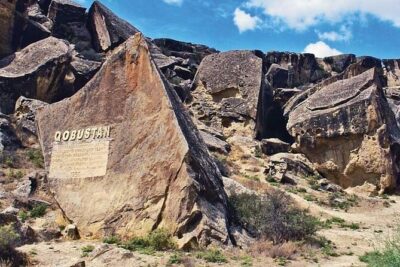
Gobustan, Volcanoes, Fire Temple and Yanardag Day Trip
Read our review →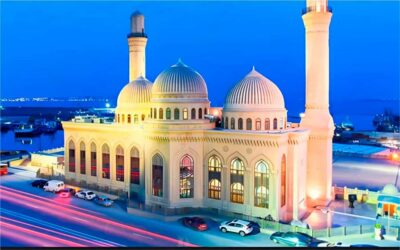
Gobustan-Mud Volcan-Fire Temple and Mountain Tour/Entrance inc
Read our review →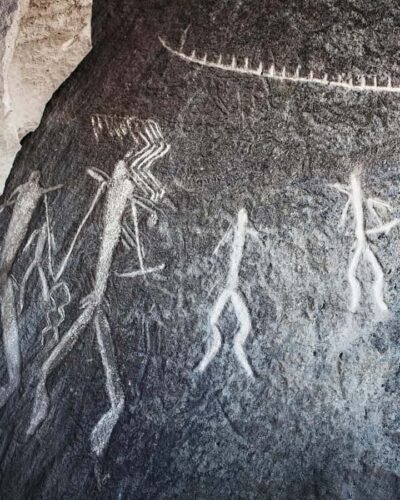
Gobustan Mud Volcanoes Temple & Entry tickets included
Read our review →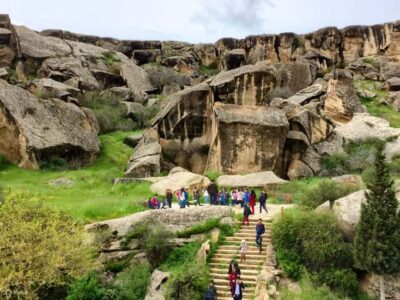
Gobustan-Absheron Tour with Hotel PICK UP and DROP OFF
Read our review →Browse the lists this tour appears in