
Reviewed · GOBUSTAN & MUD VOLCANO TOURS
Baku: Half-Day Gobustan and Mud Volcanoes Tour with Entry
Strange earth and ancient art await outside Baku. This half-day outing packs three very different sights into four to five hours: Gobustan’s Stone Age petroglyphs, Azerbaijan’s bubbling mud volcanoes, and the ornate Bibiheybat Mosque. You also pause at an early industrial oil well, a fitting reminder that this region’s story reaches from prehistoric hunters to modern energy wealth.
I like the efficient route and the low price of $22 per person, especially if you have only a short stay in Baku. I also like the guides’ personal touch. Leyla, Elcan, Solmaz, Narmin, Nariman, Zaur, Mahabat, and Aykhan all earned praise for clear explanations, patience, and good humor.
The catch is time. Three major stops in one morning can feel rushed, and muddy roads may make the volcanoes impossible after rain. Still, if you want a broad taste of Azerbaijan beyond the capital without arranging several rides yourself, this is a strong deal.
In This Review
- Key points at a glance
- Why this half-day route works from Baku
- Bibiheybat Mosque, a living religious site
- The first oil well and Azerbaijan’s energy story
- Gobustan Museum and the Stone Age carvings
- Mud volcanoes and the old Soviet SUV ride
- The pace, transport, and group feel
- What the $22 price really buys
- Who should book this outing
- Final verdict: book it for breadth and convenience
- FAQ
- How long does the Gobustan and Mud Volcanoes tour last?
- What sights are included on the route?
- Are entry tickets included?
- What happens if it rains?
- Do women need to cover their hair at Bibiheybat Mosque?
- Which languages are available?
Key points at a glance
- Gobustan combines museum displays with open-air rock art, giving you both context and a direct look at ancient carvings.
- A Soviet-era Lada takes you toward the mud volcanoes, turning the rough final road into part of the fun.
- Bibiheybat Mosque remains an active spiritual center, not simply a photo stop.
- The route includes an early industrially drilled oil well, linking Azerbaijan’s past to its oil economy.
- The half-day schedule returns you to Baku before lunch, though the pace leaves little time at each place.
- Ticket options affect the true price, so check if Gobustan entry and the Soviet SUV ride are included.
Why this half-day route works from Baku
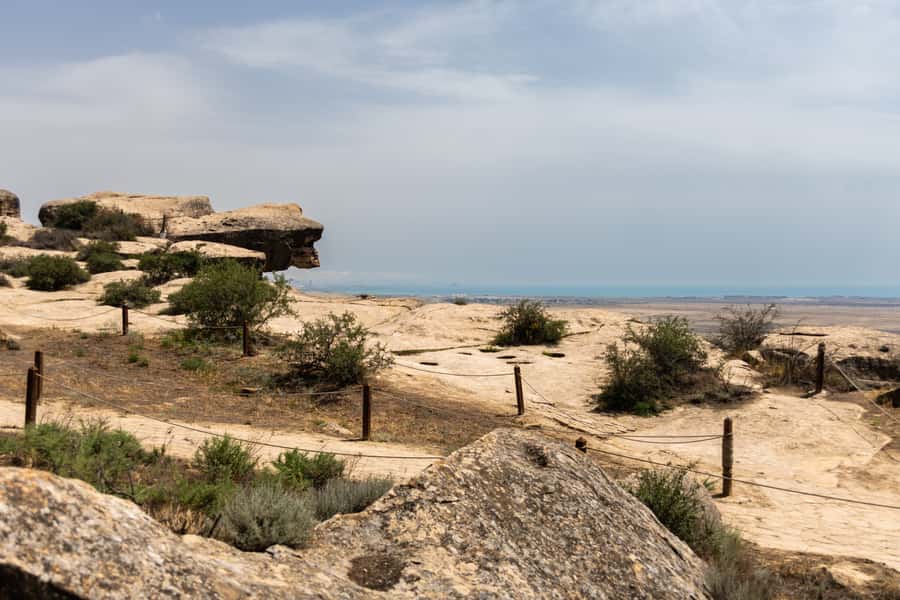
Gobustan is about 70 kilometers from Baku, and reaching its museum, rock art, and mud volcanoes independently takes planning. You need transport between scattered sites, and the last stretch to the volcanoes calls for a Soviet SUV when conditions allow. This tour removes that effort and gives you a guide to explain what you are seeing.
The morning timing is useful. You can visit the sites, return to Baku before lunch, and still have much of the day for the Old City, the waterfront, or another activity. The trade-off is a tight schedule, especially if your group is larger or traffic slows the drive.
The tour is offered as a shared or private outing, with comfortable transportation and hotel pickup and drop-off. The vehicle used for the main drive is described as comfortable and air-conditioned, while the rough road to the volcanoes is handled in an old Soviet vehicle. That contrast is part of the character of the day.
The guides are a major part of the value. Leyla is repeatedly praised for her energy, warmth, photo help, and clear explanations. Elcan is noted for patient answers about Azerbaijan, while Solmaz, Narmin, Nariman, Zaur, Mahabat, and Aykhan are each described as friendly, helpful, and well informed. Your exact guide depends on the departure, but the pattern is encouraging.
More Gobustan and mud volcano runs:
- Baku: Gobustan, Mud Volcano, Fire Mount, Temple Lunch Entry
★ 4.9 · 3,246 reviews - BEST Gobustan, Volcanoes & Absheron Fire Tour (Group or Private)
★ 5.0 · 1,254 reviews - Gobustan and Absheron tour (All inclusive)
★ 5.0 · 1,014 reviews
Bibiheybat Mosque, a living religious site
Bibiheybat Mosque is usually the first stop. Its ornate design gives you an early look at Azerbaijani Islamic architecture, but the mosque matters for more than its appearance. It contains the tomb of Ukeyma Khanum, described as a descendant of the Islamic Prophet Muhammad, and remains a spiritual center for Muslims in the region.
I like this stop because it adds religious and cultural context before the tour reaches Gobustan’s prehistoric sites. You are not simply moving from one unusual sight to another. The mosque shows a tradition that is still active, while the petroglyphs later in the morning take you far back into human prehistory.
Dress and behavior matter here. Women must cover their hair if they want to enter the mosque, so bring a scarf if that applies to you. The supplied information does not specify additional clothing rules, but modest dress is the sensible choice at an active place of worship.
The mosque visit is relatively brief, so do not expect a long religious tour. Think of it as an introduction to the region’s spiritual life and architecture, with time to look at the exterior and visit the significant tomb.
The first oil well and Azerbaijan’s energy story
On the way to Bibiheybat, you get a look at what is described as the world’s first industrially drilled oil well. The stop helps explain why Baku grew into such an important oil city.
This is not the main event of the morning, and the information provided does not promise a long museum visit or an extended technical explanation. Its value is as a quick historical marker. Azerbaijan’s story is not only about ancient carvings and sacred places. Oil shaped the country’s economy and Baku’s identity, and this brief sight connects the modern city to that past.
If you enjoy industrial history, pay attention during the drive and ask your guide questions. Guides such as Elcan and Leyla are praised for answering questions patiently, so this is a good moment to ask how oil changed Baku and the surrounding region.
Gobustan Museum and the Stone Age carvings
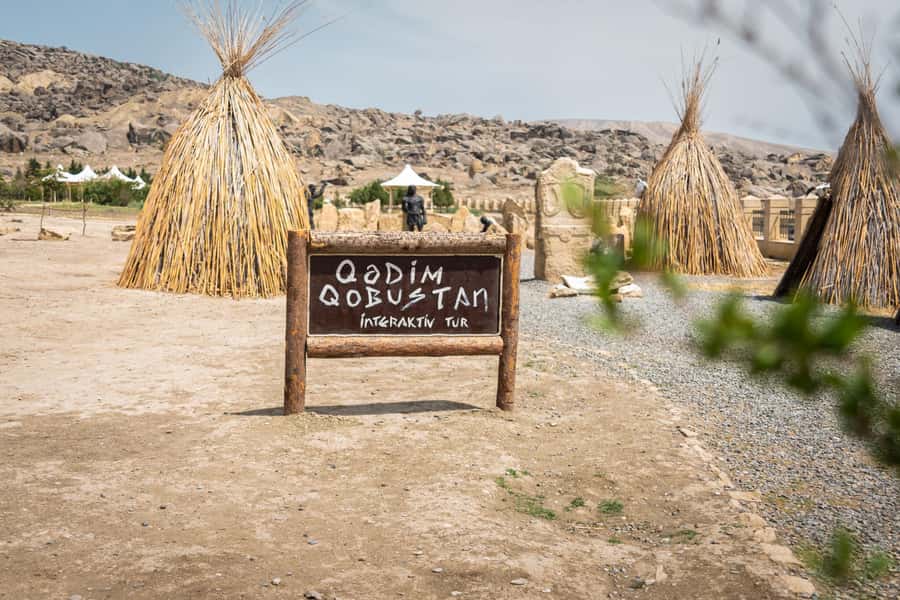
Gobustan National Park is the center of the tour. The museum and outdoor rock-art area work together, which is useful because the displays can provide background before you see the carvings in their natural setting.
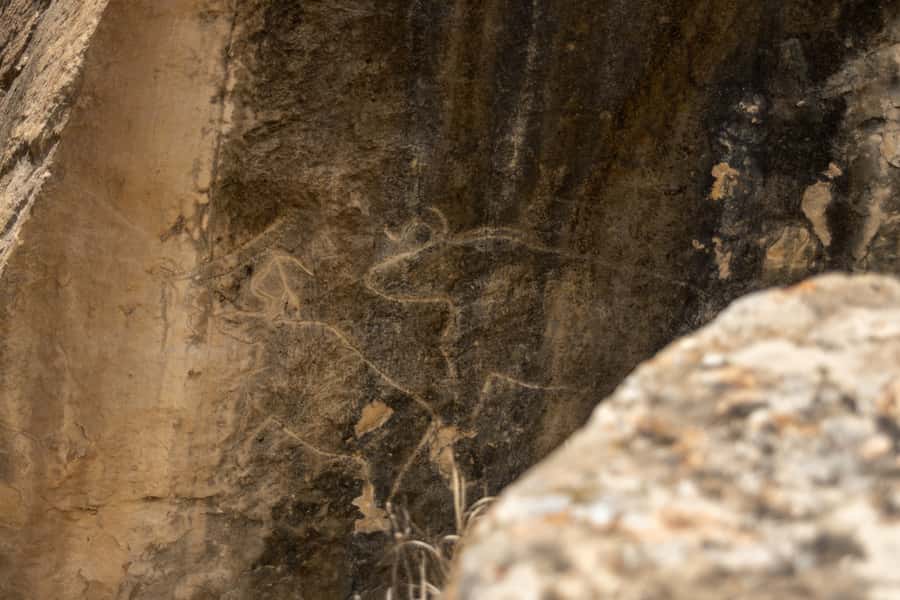
The petroglyphs record scenes from the Stone Age and later periods. You can expect carved human figures, animals, hunting scenes, and other images cut into the rocks, though the exact carvings you see depend on the route and available time. Their appeal is direct and human. Long before written records, people left pictures of the world around them.
The museum gives you a chance to understand the setting rather than simply walk past markings on stone. It is especially helpful if you are not familiar with prehistoric art or the way archaeologists interpret rock drawings.
The outdoor section is the more memorable part for many people. You stand among the rocks and see how the carvings relate to the terrain. The site is not an indoor gallery with perfect labels at every turn, so a good guide makes a real difference. Narmin is praised for telling stories about the places, and Mahabat for answering questions with care. That sort of explanation can turn faint lines in stone into a readable piece of human history.
Wear comfortable shoes. You will be walking around an uneven outdoor site, and practical footwear matters more here than stylish clothes. Bring water, but be cautious if you stop at a small village shop on the route. One visitor paid prices far above those in central Baku, so buying supplies before departure is sensible.
A few more ways to spend a day out of Baku
- Gobustan & Mud Volcanoes Half Day Adventure
★ 5.0 · 36 reviews - Baku: Atashgah Fire Temple & Burning Mountain Half-Day Tour
★ 4.0 · 35 reviews - Half-Day Baku City Sightseeing Tour
★ 5.0 · 23 reviews - From Baku: Gobustan Half Day Guided Tour
★ 4.5 · 10 reviews
Mud volcanoes and the old Soviet SUV ride
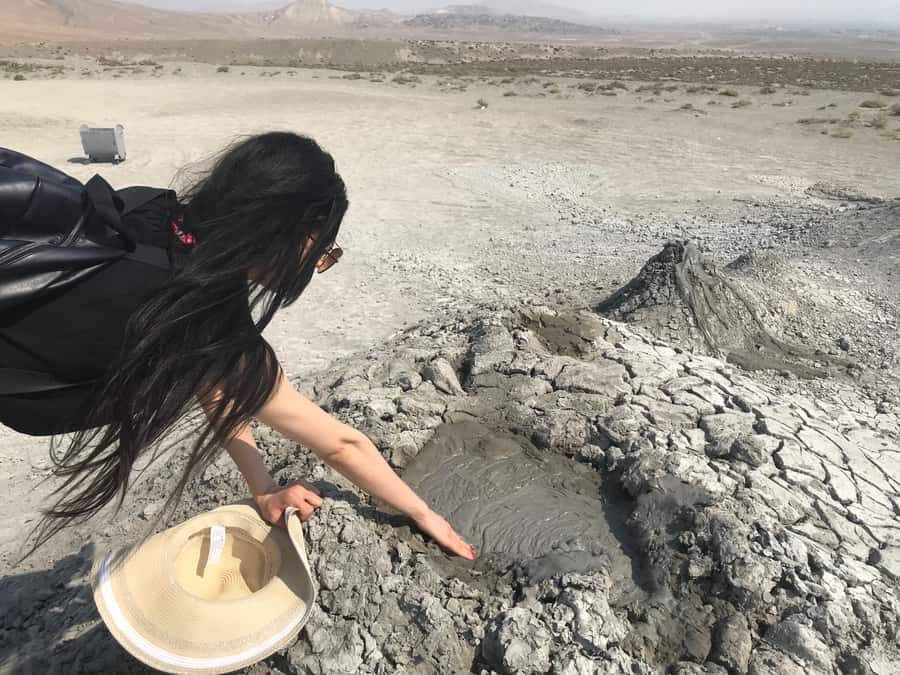
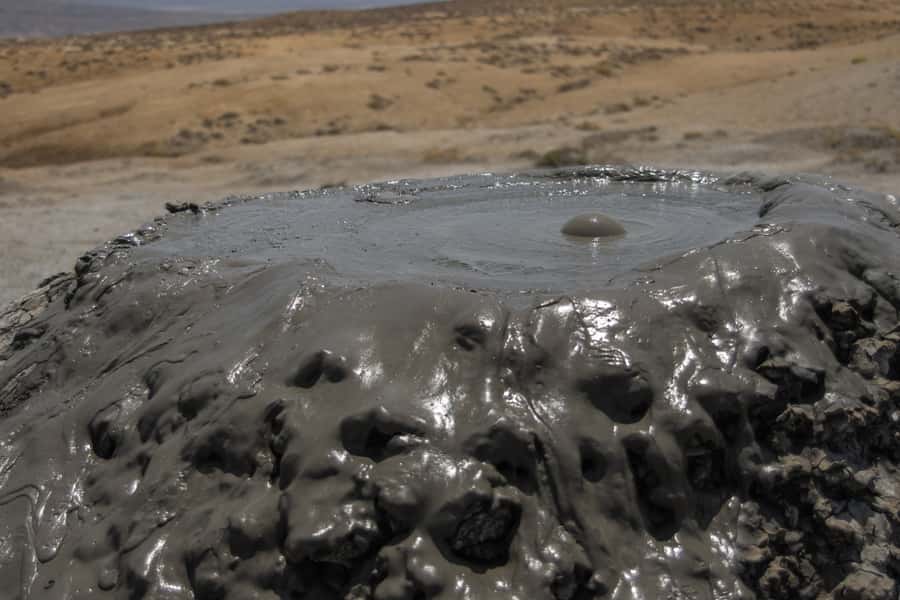
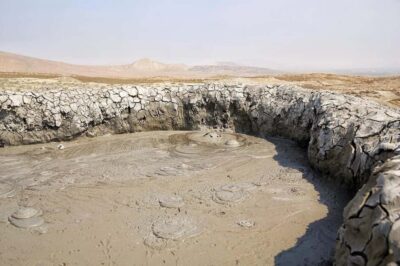
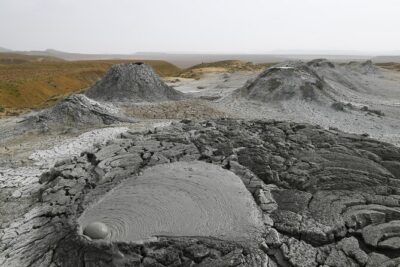
The mud volcanoes are the tour’s oddest stop. Azerbaijan is thought to have nearly 400 of them, giving the country the world’s greatest concentration. These are not giant lava volcanoes. They are smaller formations that push mud and gases to the surface, sometimes bubbling and occasionally showing more force.
The setting can look messy and bare, which is exactly the point. You are seeing a piece of geology that feels raw and unusual rather than polished for sightseeing. The mud bubbles, cones, and rough ground create a strange contrast with Baku’s modern streets.
Getting there is part of the story. The final route uses an old Soviet Lada or similar Soviet SUV because the road can be rough. The off-road ride is described as fun and unexpected, but it may not suit anyone who dislikes bumpy driving. You should expect a practical vehicle rather than a smooth luxury transfer.
The volcanoes are also the least reliable part of the itinerary. After rain, the path can become too muddy for vehicles, and the stop may be skipped for safety or access reasons. This is not a minor detail. If seeing the volcanoes is your main reason for booking, check the recent weather and accept that nature controls this part of the plan.
Some people wish they had more time among the cones. That is understandable because the stop is unusual and the rough ride adds a sense of adventure. Yet the half-day tour must keep moving to return the group to Baku before lunch, and the full route already includes several major stops.
The pace, transport, and group feel
Four to five hours is enough to see the main sights, but not enough for a slow visit. One well-liked guide moved the group quickly between stops, and a small group of only two people allowed an especially smooth outing. In a larger shared vehicle, you should expect less flexibility.
The schedule is designed for coverage rather than depth. You see the mosque, oil well, museum, petroglyphs, and volcanoes in one morning. That is excellent value for a first visit, but you may leave wishing you had more time at Gobustan or the volcanoes.
The air-conditioned bus is a welcome detail during warmer weather. The main road transport is meant to be comfortable, while the Soviet SUV provides the rougher, more memorable ride near the volcanoes. Hotel pickup and drop-off also save you the trouble of finding a distant meeting point.
The tour can be shared or private. A private departure should offer more control over stops and questions, while a shared trip keeps the price low. The provided information does not give a fixed group-size limit, so ask before booking if group size is important to you.
What the $22 price really buys
At $22, this is an unusually economical way to reach several places outside Baku. The main value is transport, route planning, and a guide who can connect the sites. If you tried to arrange separate rides to Gobustan and the mud volcanoes, the convenience alone would matter.
Check the ticket choice carefully. If you choose the option with tickets included, entry to Gobustan National Park and the mud volcanoes is covered. If you choose tickets excluded, carry $6 for Gobustan entry and $8 for transportation in the Soviet SUV. Those extra amounts change the final cost, so the cheaper-looking option may not be the best value.
One visitor felt the price was high compared with cheaper full-day tours, but chose this departure because it was half-day. That is the right way to judge it. You are paying not only for the sights, but also for a compact morning that returns you to Baku before lunch.
The tour is especially good value if you are staying in Baku for only a few days, dislike arranging rural transport, or want a guided introduction rather than a long independent research project. It is less appealing if you prefer lingering at one archaeological site or want a slow photographic outing.
You can reserve now and pay later, and cancellation is allowed up to 24 hours in advance for a full refund. The tour is offered in English, Russian, and Turkish.
Who should book this outing
I would recommend it to first-time visitors who want to see how varied Azerbaijan can be in a single morning. The route covers religion, oil, archaeology, and geology without requiring a full day away from Baku.
It also suits families and mixed-age groups, provided everyone is comfortable with a busy schedule and the bumpy SUV ride. Nariman is praised for helping children, which suggests that a warm guide can make the prehistoric carvings easier for younger visitors to appreciate.
History fans should pay special attention to the mosque, oil well, and Gobustan museum. People who enjoy unusual natural sights will probably rank the mud volcanoes as the highlight. If you only want dramatic scenery, this may feel less rewarding because the terrain around the volcanoes is rough and bare rather than conventionally beautiful.
Photographers should bring comfortable shoes and plan for changing conditions. The outdoor sections are the heart of the visit, but rain can remove the volcano stop from the schedule.
Final verdict: book it for breadth and convenience
Book this tour if you want a practical, low-cost morning that covers several important sights beyond Baku. The guides are a strong point, the air-conditioned transport makes the long road easier, and the Soviet SUV ride gives the volcano visit a bit of character.
Skip it if you need a slow archaeological visit, dislike tight schedules, or would be disappointed if rain cancels the volcanoes. For most short-stay visitors, though, the route offers an impressive amount for $22, especially when tickets are included. Choose the ticket-inclusive option when possible, bring a scarf for the mosque and sturdy shoes for Gobustan, and treat the mud volcanoes as a welcome bonus rather than a guarantee.
FAQ
How long does the Gobustan and Mud Volcanoes tour last?
The tour lasts about four to five hours and operates during the first part of the day. It returns you to Baku before lunch.
What sights are included on the route?
The route includes Bibiheybat Mosque, an early industrially drilled oil well, Gobustan National Park and its petroglyphs, and a group of mud volcanoes.
Are entry tickets included?
Entry tickets are included only if you select the ticket-included option. With the tickets-excluded option, you should carry $6 for Gobustan National Park and $8 for Soviet SUV transportation to the mud volcanoes.
What happens if it rains?
The mud volcanoes may be skipped during rainy weather because the access path may not be suitable for vehicles.
Do women need to cover their hair at Bibiheybat Mosque?
Yes. Women must cover their hair if they want to enter the mosque.
Which languages are available?
The tour is available in English, Russian, and Turkish.
Recently added around Baku
- Heartbeat of Baku: Old & Modern City Walk (Group or Private)★ 5.0 · 3 reviews
- Full Day Guided Tour of Shamakhi and Gabala★ 5.0 · 3 reviews
- Baku: Secret Tour with Surprise Activity★ 5.0 · 3 reviews
- From Baku: Shahdag Mountain Resort Day Trip★ 5.0 · 3 reviews
- Guba and Shahdag Tour with Guide★ 5.0 · 3 reviews
- Lahij – village of masters★ 4.5 · 3 reviews
- Guba and Khinaligh Private Tour★ 5.0 · 3 reviews
- Gobustan & Mud Volcano★ 4.5 · 3 reviews
Gobustan & Mud Volcano Tours, compared.
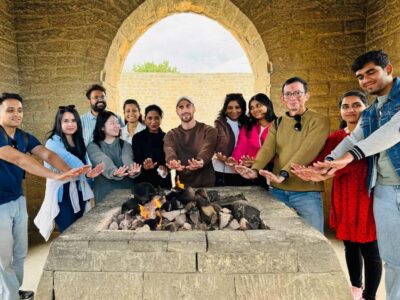
Gobustan, Mud Volcano, Fire Mount, Temple Lunch Entry
Read our review →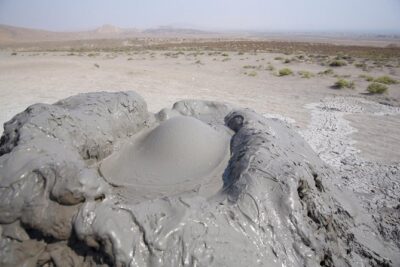
BEST Gobustan, Volcanoes & Absheron Fire Tour (Group or Private)
Read our review →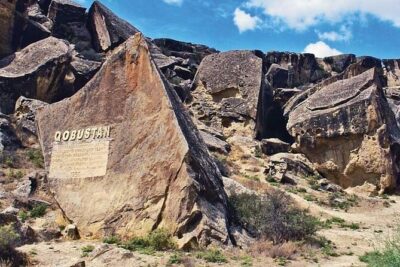
Gobustan, Volcanoes, Fire Temple and Yanardag Day Trip
Read our review →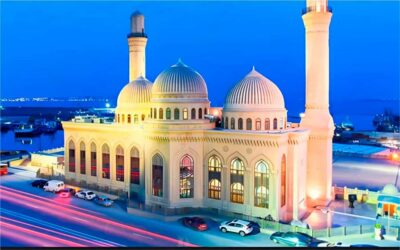
Gobustan-Mud Volcan-Fire Temple and Mountain Tour/Entrance inc
Read our review →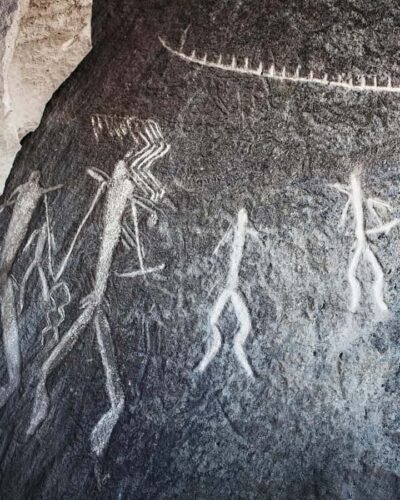
Gobustan Mud Volcanoes Temple & Entry tickets included
Read our review →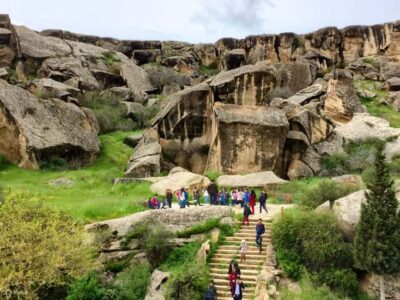
Gobustan-Absheron Tour with Hotel PICK UP and DROP OFF
Read our review →Browse the lists this tour appears in